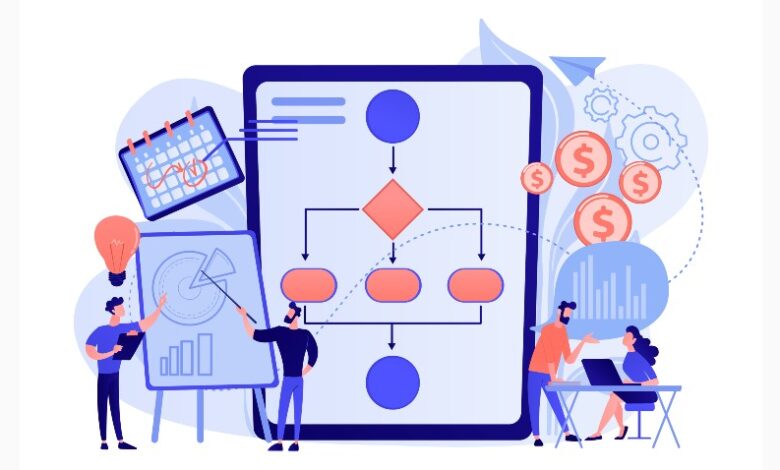
Enterprise workflow automation has evolved into a cornerstone of modern business operations. From streamlining repetitive tasks to enabling data-driven decision-making, companies are increasingly adopting workflow automation tools to gain a competitive edge. But what are the trends shaping the future of enterprise workflow automation? Let’s explore the hottest innovations and strategies transforming how businesses operate.
Why Workflow Automation Matters
Workflow automation isn’t just about efficiency anymore—it’s about agility, scalability, and innovation. Enterprises are leveraging workflow automation tools to adapt to rapidly changing market demands, streamline processes, and improve collaboration across teams.
As the adoption of enterprise workflow automation grows, so do the possibilities it offers. From artificial intelligence to low-code platforms, the latest trends are empowering organizations to reimagine their workflows and achieve unparalleled productivity.
But what exactly is driving this shift? Below, we delve into the key trends revolutionizing enterprise workflows and discuss how businesses can harness these changes to stay ahead.
The Hottest Trends in Enterprise Workflow Automation
1. AI-Driven Automation
Artificial intelligence is redefining how businesses approach enterprise workflow automation. By integrating AI-powered tools, companies can:
- Automate decision-making processes using predictive analytics.
- Identify inefficiencies in workflows through real-time data monitoring.
- Personalize user experiences with intelligent recommendations.
For example, AI-based chatbots and virtual assistants are now common in customer service workflows, reducing response times and enhancing user satisfaction.
2. Low-Code and No-Code Platforms
The rise of low-code and no-code platforms has made workflow automation tools accessible to non-technical users. Business teams can now design and deploy automated workflows without heavy reliance on IT support. Key benefits include:
- Rapid prototyping and deployment.
- Customizable workflows tailored to specific business needs.
- Reduced development costs and faster time-to-market.
These platforms empower businesses to focus on innovation rather than technical constraints, bridging the gap between strategy and execution.
3. Hyperautomation
Hyperautomation takes enterprise workflow automation a step further by integrating multiple technologies like AI, machine learning, and robotic process automation (RPA). Gartner defines hyperautomation as the next frontier of digital transformation, enabling:
- End-to-end process optimization.
- Enhanced data accuracy and consistency.
- Seamless integration of disparate systems.
Hyperautomation is particularly valuable in industries with complex operations, such as manufacturing and healthcare, where it can streamline everything from supply chain management to patient care.
4. Cloud-Based Workflow Automation
As businesses continue to adopt hybrid work models, cloud-based workflow automation tools are becoming indispensable. They offer:
- Scalability to handle fluctuating workloads.
- Remote access for distributed teams.
- Enhanced security features to protect sensitive data.
Platforms like Cflow and Zapier have made cloud-based automation the norm, providing enterprises with the flexibility they need to stay competitive in a global market.
5. Process Mining for Workflow Optimization
Process mining uses data from existing systems to analyze and optimize workflows. By identifying bottlenecks and inefficiencies, businesses can refine their enterprise workflow automation strategies. Key advantages include:
- Improved operational efficiency.
- Data-driven decision-making.
- Reduced process costs.
Companies can use process mining tools to gain insights into employee performance, customer behavior, and system reliability, creating a foundation for continuous improvement.
6. Integration with Collaboration Tools
The integration of workflow automation tools with popular collaboration platforms like Slack, Microsoft Teams, and Google Workspace is another significant trend. Benefits include:
- Streamlined communication and task management.
- Automated notifications and approvals.
- Real-time updates on project progress.
This integration ensures that employees spend less time switching between apps and more time focusing on high-value tasks.
7. Emphasis on User Experience
User-centric design is increasingly becoming a focus for enterprise workflow automation. Businesses are prioritizing:
- Intuitive interfaces that require minimal training.
- Personalized dashboards for tracking performance metrics.
- Seamless mobile experiences for on-the-go access.
By improving the user experience, companies can boost employee adoption rates and maximize the ROI of their automation initiatives.
8. Sustainability Through Automation
Sustainability is no longer optional for enterprises. Many companies are using workflow automation tools to:
- Reduce paper-based processes.
- Optimize energy usage in data centers.
- Track and report on environmental impact.
Automation not only cuts costs but also helps organizations meet their sustainability goals, creating a win-win scenario for businesses and the planet.
Conclusion: Staying Ahead in the Automation Race
The future of enterprise workflow automation is here, and it’s more dynamic than ever. From AI-driven insights to low-code platforms, the hottest trends are reshaping how businesses operate, innovate, and compete.
Adopting the latest workflow automation tools isn’t just about keeping up—it’s about staying ahead. By embracing these trends, enterprises can unlock new levels of efficiency, agility, and sustainability.
As we move forward, one thing is clear: the businesses that succeed will be those that prioritize continuous improvement, leverage cutting-edge technologies, and remain adaptable in an ever-changing landscape. With the right tools and strategies, your enterprise can turn workflow automation into a powerful driver of growth and success.