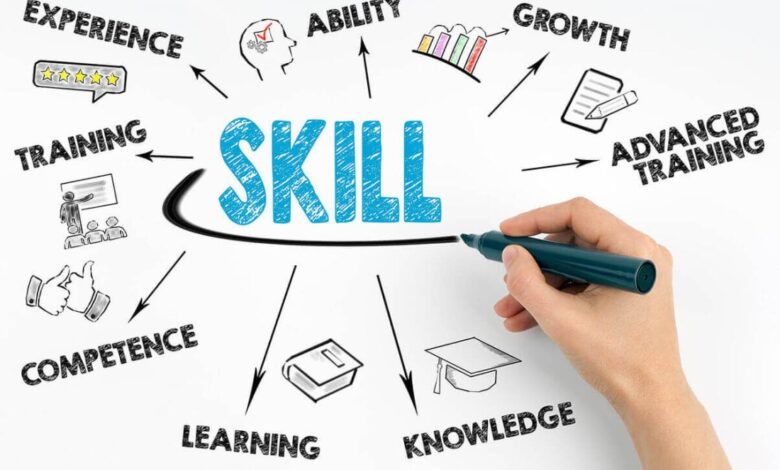
Hiring the right candidate is a critical step for any business aiming to thrive in a competitive market. While resumes and interviews have been the traditional tools for evaluating potential employees, they often fail to provide a comprehensive understanding of a candidate’s true capabilities. This is where talent assessment tools come into play. These tools offer a data-driven approach to evaluate skills, personality traits, and cultural fit, ensuring you make informed hiring decisions. With the best pre-employment assessment tools, businesses can not only identify top talent but also streamline their recruitment process.
In today’s dynamic workplace, hiring is no longer about filling a position; it’s about finding individuals who can contribute meaningfully to organizational growth. Skill assessment tests play a vital role in achieving this goal. These tests, powered by talent assessment tools, provide insights into a candidate’s potential beyond what’s visible on paper. By leveraging the best pre-employment assessment tools, recruiters can ensure candidates possess the right mix of technical expertise, problem-solving skills, and soft skills required for the job.
With the increasing reliance on data-driven decision-making, businesses are adopting talent assessment tools as a core part of their hiring strategy. But what exactly are skill assessment tests, and why are they so essential? Let’s dive deeper into the types, benefits, and best practices for using these tools effectively.
What Are Skill Assessment Tests?
Skill assessment tests are structured evaluations designed to measure a candidate’s abilities, knowledge, and aptitude for a specific role. Unlike traditional hiring methods, these tests provide measurable and unbiased data about a candidate’s strengths and weaknesses. This makes them an invaluable part of the hiring toolkit for modern businesses.
The best pre-employment assessment tools include features like automated grading, benchmarking, and advanced analytics, making it easier for recruiters to gauge candidate potential quickly. Whether it’s coding challenges for developers, problem-solving tasks for managers, or personality tests for cultural fit, these tools cater to a wide array of roles and industries.
Types of Skill Assessment Tests
- Cognitive Ability Tests
These tests evaluate critical thinking, problem-solving, and logical reasoning skills. They are especially useful for roles requiring quick decision-making and adaptability. - Technical Skills Tests
Designed for evaluating job-specific technical knowledge, these tests are common in fields like IT, engineering, and accounting. - Personality Tests
These assessments measure behavioral traits to ensure a candidate aligns with the company’s culture and values. Popular tools like the Myers-Briggs Type Indicator or DISC are examples. - Situational Judgment Tests (SJTs)
These tests simulate real-world scenarios and ask candidates to choose the best course of action. They are great for roles involving leadership or customer service. - Soft Skills Tests
Communication, teamwork, and emotional intelligence are evaluated in these assessments, which are becoming increasingly important in today’s collaborative workplaces.
Benefits of Skill Assessment Tests
- Objective Hiring Decisions
By eliminating biases inherent in traditional hiring methods, talent assessment tools provide a fair and equal platform for all candidates. - Improved Quality of Hires
Assessments ensure candidates are well-suited for their roles, leading to better performance and reduced turnover rates. - Time and Cost Efficiency
The best pre-employment assessment tools automate much of the evaluation process, reducing the time spent on manual screenings and interviews. - Enhanced Candidate Experience
A streamlined and transparent process leaves candidates with a positive impression of your company. - Data-Driven Insights
Detailed reports and analytics help HR teams refine their hiring strategies and continuously improve recruitment outcomes.
How to Use Talent Assessment Tools Effectively
- Define Clear Objectives
Determine the specific skills and traits you want to evaluate for each role. A clear understanding of job requirements ensures you choose the right assessment tools. - Choose the Right Tools
Not all assessment tools are created equal. Invest in the best pre-employment assessment tools that align with your industry, role requirements, and organizational goals. - Integrate with Your Hiring Process
Skill assessment tests should complement, not replace, other aspects of recruitment. Use them alongside interviews and reference checks for a comprehensive evaluation. - Customize Tests for Roles
Tailor assessments to match the complexity and requirements of the job. For instance, a data analyst role may require advanced Excel tests, while a content writer may need a grammar proficiency test. - Evaluate and Adapt
Regularly review the effectiveness of your assessments and adapt them to evolving business needs and industry standards.
The Future of Skill Assessment
With advancements in technology, skill assessment tests are becoming more sophisticated. AI-powered talent assessment tools can now predict job success with greater accuracy, offering features like adaptive testing, which adjusts the difficulty level based on a candidate’s responses. Additionally, gamification is being integrated into assessments to make the process engaging for candidates while providing deeper insights into their abilities.
The best pre-employment assessment tools also offer seamless integration with applicant tracking systems (ATS) and HR software, making recruitment faster and more efficient. As businesses continue to embrace digital transformation, the role of skill assessment tests will only grow in importance.
Conclusion
In a world where hiring the right talent can make or break a business, skill assessment tests are indispensable. These tools go beyond traditional methods, offering a scientific approach to evaluating candidates and ensuring they are the perfect fit for the role and the company. By leveraging talent assessment tools and the best pre-employment assessment tools, businesses can build strong, capable teams that drive organizational success.
Whether you’re a startup looking to grow quickly or a large corporation aiming to optimize your hiring process, integrating skill assessment tests into your recruitment strategy is a step in the right direction. Embrace these tools today and future-proof your talent acquisition efforts!