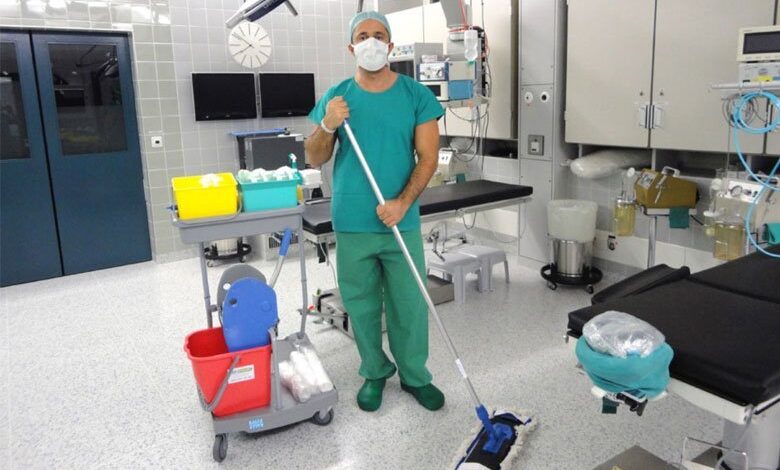
The importance of maintaining a sterile and hygienic environment in medical centres cannot be understated. It is a fundamental aspect that contributes significantly to the safety and well-being of both patients and healthcare workers. The process of medical centre cleaning goes beyond the regular cleaning practices found in non-medical establishments, encompassing a wide array of specialised tasks that are crucial for preventing the spread of infectious diseases.
The Role of Cleaning in Healthcare Settings
In a healthcare setting, the presence of patients with varied health issues increases the potential for contamination and the spread of pathogens. This is why cleaning in medical centres is not just about maintaining appearances, but rather focussing on health and safety measures that are designed to protect everyone within the facility. Failing to uphold the highest standards of cleanliness can lead to severe health complications, hospital-acquired infections, and can even become a matter of life or death.
Compliance with Sanitation Standards
One key aspect of medical centre cleaning is ensuring compliance with both local and international hygiene and sanitation standards. These standards dictate the use of appropriate cleaning agents, the frequency of cleaning procedures, and the strict protocols for the disposal of hazardous waste. Upholding these standards is essential, as it directly influences the facility’s ability to provide a healthful and safe environment for patient care.
Differentiated Cleaning Protocols
Medical centres require different levels of cleaning and disinfection based on the areas within the facility. High-risk areas, such as operating rooms and intensive care units, mandate the use of robust cleaning protocols. Conversely, the cleaning measures in lower-risk areas, like administrative offices, might not require the same intensity of sanitisation, but they nonetheless play a vital role in the overall cleanliness of the medical centre.
Technological Advancements in Medical Cleaning
Advancements in technology have introduced new and more effective methods for cleaning and disinfection. From UV-light sanitising devices to electrostatic sprayers, these innovations are enhancing the effectiveness of cleaning regimes and reducing the labour-intensive aspects of the process. Staying abreast of these technological advancements is critical for any medical centre committed to outstanding hygiene and sanitation.
Staff Training and Education
Executing an effective medical centre cleaning programme requires specialised training for the staff involved. Employees must be educated on the proper use of cleaning chemicals, the correct methods for disinfection, and the importance of personal protective equipment (PPE). Furthermore, continuous education ensures that cleaning staff are up-to-date on the latest industry standards and practices.
Cleaning Products and Materials
The selection of cleaning products and materials is a decision that carries significant weight in healthcare settings. Choosing the correct products ensures the elimination of harmful microbes without causing damage to medical equipment or negatively affecting indoor air quality. Additionally, the use of environmentally friendly and non-toxic cleaning agents is becoming increasingly important in the healthcare sector.
Regular Audits and Inspections
Regular audits and inspections by governing health bodies or third-party organisations are crucial for maintaining the effectiveness of cleaning practices. These inspections help to identify any lapses or areas needing improvement, ensuring that the medical centre meets the required health and safety benchmarks.
Emergency Response and Infection Outbreaks
In the unprecedented event of an infection outbreak or public health emergency, medical centres face the need to ramp up their cleaning and sterilisation efforts rapidly. Preparedness and response plans must be in place, allowing for the swift enactment of enhanced cleaning protocols to contain and control the spread of infectious diseases.
Role of Facilities Management
Facilities management teams play a critical role in coordinating the cleaning efforts within medical centres. They oversee the scheduling of routine cleaning, manage the inventory of cleaning supplies, and ensure that the necessary staff training is conducted regularly.
Patient Satisfaction and Perception of Cleanliness
Patients’ perceptions of cleanliness within a medical centre can significantly impact their overall experience and satisfaction. A well-maintained and visibly clean environment contributes to a patient’s confidence in the quality of care being provided, emphasizing the broader impact of medical centre cleaning beyond infection control and prevention.
Conclusion
The task of maintaining a hygienic and safe healthcare environment is multifaceted and demands unwavering attention to detail. It is a critical component that directly influences patient outcomes, staff safety, and the broader public health context. The implementation of robust and specialised medical centre cleaning protocols is not merely a standard practice; it is a requisite measure in the delivery of exemplary healthcare services. As we progress in the realm of medical care, the commitment to cleanliness and sanitisation will continue to be of paramount importance in safeguarding the health and well-being of communities around the world.
In summary, ensuring a clean and hygienic medical centre environment is a complex, yet indispensable endeavour. With ongoing dedication to high-quality sanitation standards, continuous staff training, and adherence to regulations, medical centres can continue to instil confidence and assure the health of those who walk through their doors.