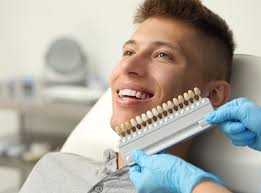
Veneers are among the most requested treatments in private clinics across the capital, offering a controlled way to refine tooth shape, colour and alignment. Success with veneers rarely depends on the porcelain alone. It is the product of careful assessment, realistic planning and disciplined aftercare.
What Veneers Can – and Cannot – Achieve
Veneers are thin shells, usually made of porcelain or high-quality composite, that are bonded to the front surface of teeth. They are designed to improve appearance rather than restore major structural damage. When placed correctly, they can address discolouration, minor crowding, small chips, worn edges and uneven shapes. However, they are not a cure-all. Patients with active gum disease, untreated decay or significant bite problems require stabilisation before cosmetic work begins.
For many people researching veneers London, the challenge is not access to treatment but understanding how to achieve a predictable, lasting result.
According to a cosmetic dentist at MaryleboneSmileClinic 66 Harley St, London, clarity at the outset prevents disappointment later. “Patients often arrive with images saved from social media, but those smiles may not suit their face or bite. A thorough consultation allows us to explain what veneers can realistically achieve and what preparation is required. If you would like to understand how your own smile might respond to treatment, you can visit our website to see examples and clinical guidance before booking an assessment.” This measured approach reduces the risk of over-treatment and supports long-term oral health.
Importantly, veneers involve the removal of a small amount of enamel in most cases. Although modern techniques are conservative, the procedure is not entirely reversible. Understanding this commitment helps patients make informed decisions rather than impulsive ones driven by trends. A trusted clinician will prioritise dental health first, aesthetics second, and will never recommend veneers if whitening, orthodontics or simple bonding would be more appropriate.
Step One and Two: Assessment and Personalised Smile Design
The first step to veneer success is a comprehensive diagnostic assessment. This includes digital scans or impressions, photographs, X-rays and a detailed review of medical and dental history. Bite analysis is particularly important. If teeth meet unevenly or the jaw joint is strained, veneers may chip or debond prematurely. Addressing functional issues at this stage protects the investment and ensures comfort.
Once oral health is confirmed, the second step involves personalised smile design. This stage is far more technical than choosing a shade from a chart. Dentists evaluate facial symmetry, lip line, tooth proportions and the way the smile appears in motion. Digital smile design software can simulate proposed changes, allowing patients to preview the likely outcome. Temporary mock-ups placed over the teeth provide a physical preview and an opportunity to test speech and comfort.
This design phase is where communication matters most. A successful result depends on aligning clinical judgement with patient expectations. Some individuals want a noticeable transformation; others prefer subtle refinement. A balanced plan respects age, skin tone and personality. Overly bright or uniformly shaped veneers can appear artificial, particularly under natural British daylight. A conservative, tailored approach produces results that blend with surrounding teeth and maintain credibility in professional and social settings.
Step Three and Four: Conservative Preparation and Precise Craftsmanship
The third step focuses on conservative tooth preparation. In many cases, only 0.3 to 0.7 millimetres of enamel is removed. The aim is to create space for the veneer while preserving as much natural structure as possible. Advanced magnification and guided depth-cutting burs allow dentists to control reduction accurately. Where alignment permits, minimal-prep or no-prep veneers may be considered, although not every case is suitable.
After preparation, impressions or digital scans are sent to a dental laboratory. The fourth step is the craftsmanship phase, where dental technicians fabricate each veneer individually. Shade selection goes beyond colour; translucency, surface texture and light reflection must match adjacent teeth. In London clinics that prioritise cosmetic detail, dentists often collaborate closely with technicians, sometimes sharing photographs taken in different lighting conditions to ensure accuracy.
The quality of laboratory work directly influences longevity. Well-designed veneers fit precisely at the gum margin, reducing plaque accumulation and inflammation. Poorly fitting restorations can irritate soft tissues and compromise hygiene. When patients compare options for veneers London clinics offer, it is worth asking about laboratory partnerships and materials used. High-grade porcelain, combined with careful bonding protocols, contributes to strength and stain resistance over many years.
Step Five: Secure Bonding and Immediate Aftercare
Bonding is the fifth step and arguably the most technically sensitive part of the procedure. The internal surface of the veneer is treated to create microscopic retention. The tooth surface is etched and primed, allowing adhesive resin to form a durable link between porcelain and enamel. Isolation from saliva during this stage is essential, as moisture can weaken the bond.
Once bonded, the dentist checks the bite in static and dynamic movements. Even minor discrepancies can cause chipping or discomfort. Adjustments are made carefully, and the surface is polished to a natural sheen. Patients often notice an immediate improvement in confidence at this stage, but the process is not complete without structured aftercare.
In the days following placement, mild sensitivity to temperature is possible but usually temporary. Patients are advised to avoid biting directly into very hard foods and to refrain from using teeth to open packaging. Although veneers are strong, they are not indestructible. Establishing sensible habits from the outset protects the restoration and surrounding teeth.
Step Six: Long-Term Maintenance and Oral Health Discipline
Veneer success depends on what happens months and years after placement. The sixth step centres on maintenance. Regular dental examinations allow early detection of any edge staining, marginal leakage or bite changes. Professional cleaning supports gum health, which is crucial for aesthetic stability. Inflamed gums can recede, exposing veneer margins and affecting appearance.
Daily oral hygiene remains fundamental. Patients should brush twice daily with a non-abrasive fluoride toothpaste and clean interdentally using floss or interdental brushes. Excessive force with hard-bristled brushes can damage both natural enamel and porcelain surfaces. For individuals who grind their teeth at night, a custom-made occlusal guard is often recommended to protect veneers from undue stress.
Lifestyle factors also influence longevity. Frequent consumption of staining beverages such as coffee or red wine may affect the surrounding natural teeth, creating contrast over time. Smoking can discolour margins and compromise gum health. By maintaining consistent care, many veneers remain functional and attractive for ten to fifteen years, sometimes longer. Replacement, when required, is typically planned rather than urgent.
Step Seven: Realistic Expectations and Choosing the Right Clinic
The final step is psychological as much as clinical. Realistic expectations underpin satisfaction. Veneers can refine and enhance, but they cannot change fundamental facial structure or guarantee perfection under every lighting condition. Open discussion about limitations reduces the risk of regret.
Choosing the right clinic is therefore critical. Experience in cosmetic dentistry, transparent treatment planning and clear fee structures all matter. Prospective patients should feel comfortable asking about before-and-after cases similar to their own and about how complications would be managed. A reputable practice will discuss alternatives, including whitening or orthodontics, before confirming that veneers are the best solution.
Cost considerations should also be viewed in context. While fees vary across the capital, lower prices do not always reflect comparable materials or laboratory standards. Patients considering veneers London based clinics provide should weigh value against longevity and clinical expertise. A carefully executed treatment plan may cost more initially but reduce the likelihood of premature replacement.
Informed decision-making transforms veneers from a cosmetic purchase into a structured healthcare choice. When the seven steps are followed in sequence—assessment, design, preparation, craftsmanship, bonding, maintenance and expectation management—the outcome is both aesthetic and sustainable. The result is not simply a brighter smile but a balanced enhancement that respects oral health, function and individuality.