Mastering Dental Restorations: A Guide to Advanced Tools and Safety Techniques for Dentists

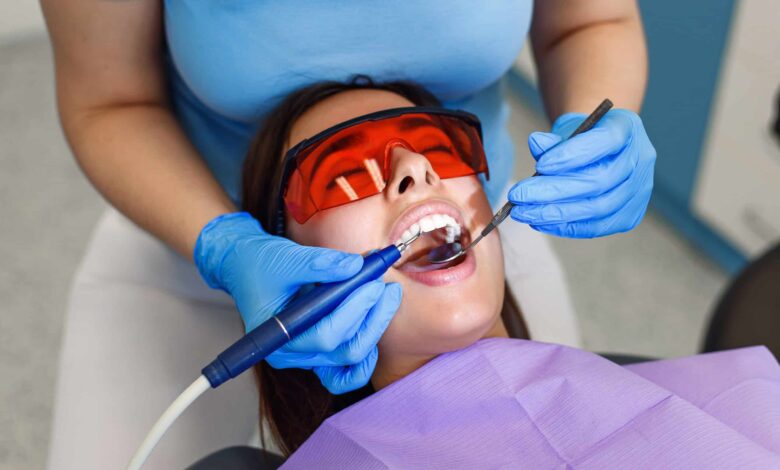
The realm of dental restorations is a fascinating landscape of precision, artistry, and science. Dentists are the artisans skilled in restoring a patient’s smile, and with advancements in dental technology, the tools at their disposal have become increasingly sophisticated. A deep understanding of how to utilise these tools, along with adherence to safety protocols, is essential for any dental professional aiming to provide exceptional care. This article will delve into the intricacies of modern dental restoration procedures, focusing on advanced tools and safety techniques that are reshaping the industry.
The Role of Sectional Matrix Systems in Dental Restorations
The introduction of the sectional matrix system has revolutionised the way dentists approach restorations, particularly when dealing with composite resins. This system is designed to properly contour the contact area between adjacent teeth, creating a tight and natural-appearing interproximal contact. Its anatomical design and ease of use make it an indispensable part of any dental practitioner’s toolkit, particularly when tackling complex restorations.
Choosing the right sectional matrix system is crucial as it significantly affects the final outcome of a restoration. The system should not only provide superior contact but also make the procedure more efficient for the dentist. Happily, advancements in these systems have made it possible to achieve pristine results with greater simplicity than ever before.
Achieving a Fine Finish: The Importance of Dental Polishing Kits
Once a restoration is placed, achieving a smooth and aesthetic finish is paramount. This is where dental polishing kits come into play. These kits usually contain an assortment of instruments, such as diamond impregnated polishers, points, cups, and brushes, catering to a variety of restoration materials, including composites, ceramics, and metal alloys.
A good dental polishing kit aids in removing any rough surfaces or overhangs, ensuring that the restoration not only looks good but is also free from plaque accumulation sites that could contribute to further decay. The right polishing kit enables dentists to finely tune the restoration to a high lustre, mimicking the natural enamel’s appearance and translucency.
Ensuring Safety and Hygiene with Dental Gloves
While mastering dental restoration techniques and tools is essential, protecting both the patient and the dentist during any procedure should never be overlooked. Dental gloves are a staple safety measure, shielding against the transmission of pathogens. High-quality dental gloves also offer comfort and dexterity, which are critical for intricate dental work.
The best dental gloves balance protection with sensitivity, allowing dentists to perform tasks with the same precision and tactile sensation as without gloves. They need to be durable enough to resist tears and punctures, yet thin enough to allow delicate manipulations. With an array of materials available – latex, nitrile, or vinyl – dental practitioners have the flexibility to choose gloves that meet their preferences for fit, feel, and allergenic properties.
The Significance of Professional Grade Tools in Restorative Dentistry
High-quality restorative dentistry isn’t just about the knowledge and skill of the practitioner; it’s also about the calibre of the tools used. Advanced tools have been specifically engineered to offer precision and reliability during restorative procedures, such as caries removal, cavity preparation, and the placement of restorative materials.
Staying at the Forefront of Dental Restoration Innovation
The dental industry continues to leap forward with technological advancements. Tools like the sectional matrix system streamline procedures and enhance outcomes. Innovations in polishing kits have made finishing work quicker and more precise. Even essentials like dental gloves have seen improvements in ergonomics and protective capability.
The Interdependence of Tools and Techniques
A dentist’s restorative prowess is heightened by the seamless integration of advanced tools with refined techniques. As dental materials evolve, so too do the instruments designed to manipulate them. It is the responsibility of the dental professional to remain up-to-date with these developments to provide the best care for their patients.
Emphasising Dental Continuing Education
Continuing education in dentistry is critical for practitioners to master the use of new devices and techniques. Workshops, seminars, and online courses provide avenues for learning and refining the use of advanced dental tools for restorations.
The Balance of Art and Science in Dentistry
Dentistry walks a fine line between art and science. It requires a balance of functional requirements and aesthetic appeal. The artistry comes into play in shaping, shading, and polishing restorative materials, while the science encompasses understanding of the materials’ properties and interaction with other dental structures.
Conclusion: Elevating Dental Care
In conclusion, the mastery of dental restorations is underpinned by a comprehensive grasp of the advanced tools and safety techniques available to modern dentists. The utilisation of a cutting-edge sectional matrix system, along with the precision afforded by quality dental polishing kits and the protection provided by reliable dental gloves, work in concert to enhance the standards of patient care.
By embracing these innovations, dental professionals not only enhance their restorative outcomes but also ensure a safer and more effective treatment process. Dentistry is a dynamic field, and the constant evolution of tools and practices promises an exciting future for both dentists and patients alike.