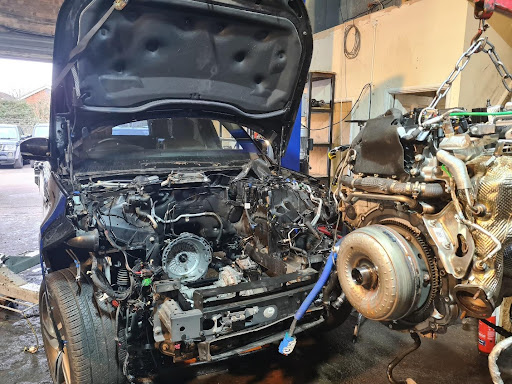
A Land Rover is famous for crossing muddy tracks, rocky hills and slow city traffic without fuss. Yet one small warning light can ruin the fun: the red temperature light. When that light stays on, you have only minutes before the metal inside the engine bends out of shape. Repairs can cost more than the car, and you might end up searching the internet for a Land Rover Engine for sale. The good news is that most hot-running problems start with tiny things you can see and fix at home. In this guide, we explain why the engine gets too hot, what parts are to blame, and the simple step that keeps the heat under control. After reading, you will know how to keep a Land Rover cool on the road or even on the muddy tracks.
How the cooling system works
Think of the engine as a kettle that never stops boiling. It makes power by burning fuel, and that makes heat. To carry the heat away, the engine pumps coloured liquid called coolant through little tunnels inside the metal. The hot liquid flows to the radiator at the front of the car. Cool air blows through the thin metal fins of the radiator, so the liquid cools down. A small door called the thermostat lets the liquid out only when it is hot enough. A spinning part called the water pump keeps the liquid moving. Electric fans jump in if the car is not driving fast enough for air to blow through the radiator. When every piece plays its part, the temperature needle sits in the middle, and your trip is calm.
What Causes Engine Overheating in Land Rovers?
Land Rover engines can run hot for several reasons. One main cause is a faulty thermostat. The thermostat controls coolant flow. If it sticks closed, coolant cannot circulate. This traps heat inside the engine block. Another common problem is a worn water pump. The pump pushes coolant through the engine. When its impeller wears out, the flow drops and heat builds up. A clogged radiator can also stop heat from escaping. Over time, dirt and rust block the tiny tubes. The engine holds more heat and runs hotter than normal. Finally, a broken cooling fan fails to pull air through the radiator. Without that airflow, the radiator cannot draw away engine heat. Any one of these failures can send your temperature gauge soaring.
Recognising the Signs of Overheating
Your Land Rover will give clear warnings before serious damage sets in. Watch the temperature gauge on your dashboard. If it moves past normal range and into the red, the engine is too hot. You may also smell a sweet, syrupy odour. This is coolant leaking onto hot engine parts. Steam rising from under the bonnet is another sign. You might notice a loss of power or a sharp drop in fuel economy. Some drivers hear knocking noises as pistons overheat. If you ignore these signs, you risk warping the cylinder head or blowing the head gasket. Spotting the problem early keeps repairs simple and cheap.
The Simple Fix: Replacing the Thermostat
In many cases, the entire overheating issue can come down to one part: the thermostat. It is a small valve that sits between the engine and radiator. When it works right, it opens at a set temperature and lets coolant flow. When it fails, it often sticks shut. The result is low coolant flow and high engine heat. A new thermostat costs little and comes with a gasket seal. Swapping the old unit for a new one restores proper coolant flow. That simple action solves overheating in most Land Rover engines. You do not need to replace the radiator or water pump unless they show damage. By starting with the thermostat, you fix the most common point of failure first.
How to Replace the Thermostat
Begin when the engine is fully cool. Open the bonnet and locate the top radiator hose. It connects the engine block to the radiator. Use a drain pan under the vehicle and loosen the radiator cap. Then remove the hose clamp and pull off the hose. You will see the thermostat housing. It is held by two or three small bolts. Loosen these and lift off the housing. The old thermostat will fall out. Note its orientation so you can fit the new one the same way. Clean the housing surface and fit the new gasket. Place the new thermostat in and replace the housing. Tighten the bolts to the correct torque—do not over-tighten. Reattach the radiator hose and refill the cooling system with the proper coolant mix. Finally, run the engine with the heater on full. Watch for leaks and let the engine reach operating temperature. Check the temperature gauge and look under the bonnet to ensure no steam appears. If all is well, you have cured the overheating.
Checking Coolant Levels and Quality
Even with a new thermostat, poor coolant can cause heat issues. Always use the right type of coolant for Land Rover engines. Check the owner’s manual for the correct mix ratio. Over time, rust and scale build up in the cooling circuit. This reduces coolant flow. Flush the system every two years or as the manual advises. A fresh coolant mix keeps the engine cool and protects against corrosion. Regular checks of the coolant level and condition help you spot leaks early. Top up with clean coolant when needed. Do not fill with plain water—it can cause corrosion and freeze in cold weather.
Keeping Your Engine Cool in Daily Use
Once you have fixed the thermostat, adopt habits that prevent future overheating. Avoid idling for long periods on hot days. If you must idle, watch the temperature gauge closely. When you stop, give the engine a moment to cool before you switch it off. Park in the shade whenever possible. A hot engine will shut down more quickly if it does not bake under direct sunlight. Schedule regular servicing of the cooling system. A quick visual check under the bonnet can save you a tow truck call. By taking these simple steps, you keep your Land Rover engine happy and running at the right temperature.
Conclusion
Overheating can damage a Land Rover engine fast. The good news is that most cases trace back to one small part: the thermostat. Replacing it is simple and cost-effective. Pair this with fresh coolant and regular checks, and you will prevent heat problems in the future. With the right care, your engine will run cool and deliver the performance you expect. If you need a Land Rover Engine for sale, make sure it has a properly working thermostat and clean coolant. That way, you get both power and peace of mind.