
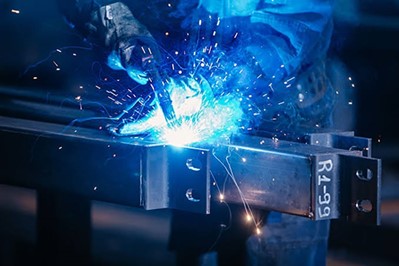
When it comes to joining pieces of sheet metal, choosing the right welding method can make all the difference in your project’s success. Whether you’re fixing up a car, creating a piece of metal art, or working on a construction project, understanding the best way to weld sheet metal is crucial. With so many welding techniques available, it can be tricky to figure out which one is right for your needs.
In this article, we’ll break down the most popular welding methods for sheet metal, including MIG, TIG, Stick welding, Gas welding, and Flux-Cored Arc welding. We’ll explore their strengths, limitations, and the types of projects they’re best suited for. By the end, you’ll have a clearer idea of which welding method will give you the best results for your specific application.
So, let’s get started and find out which welding technique is the best fit for your next sheet metal project.
6 Considerations When Choosing Sheet Metal Welding Techniques
When it comes to welding sheet metal, there’s no one-size-fits-all solution. The best technique depends on a few key factors. Let’s break it down for you.
Materials Type
First things first, what kind of metal are you working with? The type of material significantly influences your choice of welding method.
- Steel: MIG welding is a popular choice for steel because it’s straightforward and efficient. It provides good control and produces clean, strong welds. If you’re working with stainless steel, TIG welding might be a better option as it offers more precision and cleaner results.
- Aluminum: Welding aluminum can be a bit trickier due to its softness and higher thermal conductivity. MIG welding with a spool gun is often recommended, but TIG welding can also produce excellent results if you need more precision.
- Copper: For metals like copper, you might need specialized techniques and equipment. TIG welding is often preferred for its precision and control.
- Titanium and Nickel Alloys: TIG welding is generally the best choice for these metals due to its ability to handle the unique properties and requirements of these materials.
- Cast Iron: Stick welding (SMAW) is often preferred for cast iron due to its ability to handle the brittleness and specific characteristics of this material.
- Brass and Bronze: Gas welding is suitable for these metals because it allows for good control and can produce high-quality welds without causing excessive thermal stress.
Material Thickness
The thickness of the sheet metal is another crucial factor.
- Thin Sheets (24 gauge and thinner): When dealing with very thin sheets, TIG welding is often the best choice. It provides precise control and minimizes the risk of burning through the material. MIG welding can also work, but you’ll need to use lower settings and thinner wire.
- Moderate Thickness (up to 1/8 inch): For moderately thick sheets, MIG welding shines. It’s fast, efficient, and easy to control. You can also use TIG welding if you need more precision, but it’s generally slower.
- Thicker Sheets (over 1/8 inch): For thicker sheets, MIG welding or even stick welding might be the way to go. These methods handle the higher heat required for thicker materials better than TIG welding.
Expected Usage
Consider how the welded sheet metal will be used. This can impact the choice of welding method significantly.
- Structural Applications: If the welded parts need to bear significant loads or stresses, you’ll want a method that provides strong, reliable welds. MIG welding is often a good choice for these applications due to its strength and efficiency. Stick welding is also suitable for heavy structural applications.
- Aesthetic Applications: If appearance is important, such as in art projects or visible parts of machinery, TIG welding might be your best bet. It produces cleaner, more attractive welds with less spatter and post-weld cleanup.
- Repair Work: For repairs, the choice might depend on the material and the extent of the damage. MIG welding is quick and effective for many types of repair work, especially when speed is of the essence. Stick welding can also be used for repairing heavy equipment and cast iron components.
Welding Environment
The environment in which you are welding can also influence the best technique to use.
- Indoor vs. Outdoor: For outdoor welding, flux-cored arc welding (FCAW) is often preferred over MIG welding because it doesn’t require shielding gas and performs better in windy conditions. Indoors, MIG welding is typically more convenient and cleaner.
- Workshop Setup: If you have a well-equipped workshop with proper ventilation, TIG welding can be an excellent choice due to its precision. In more makeshift settings, MIG welding might be more practical due to its versatility and ease of use.
Equipment Availability
The equipment you have access to can also dictate your welding method.
- Availability of Tools: If you already own a MIG welder, it makes sense to use it, especially since it can handle a variety of tasks. However, investing in a TIG welder might be worthwhile if you need more precise and aesthetically pleasing welds. Stick welders are also relatively affordable and versatile for different materials.
- Budget Considerations: MIG welding equipment is generally more affordable and easier to find than TIG welding setups. If budget constraints are a concern, MIG welding provides a cost-effective solution for most sheet metal welding needs. Stick welding equipment is typically the most affordable option, making it suitable for hobbyists and small workshops.
Skill Level
Your experience and comfort level with welding techniques are important factors.
- Beginner Welders: MIG welding is often recommended for beginners due to its relative ease of use and forgiving nature. It’s easier to learn and provides quick results, making it ideal for those new to welding. Flux-cored welding is also beginner-friendly and suitable for outdoor conditions.
- Experienced Welders: For those with more experience, TIG welding offers greater control and precision, allowing for high-quality, professional-grade welds. It requires more skill but delivers superior results for intricate projects. Stick welding also requires a certain level of skill but is highly effective for structural and heavy-duty applications.
What is the Best Method to Weld Sheet Metal?

When deciding on the best way to weld sheet metal, it’s essential to know that each welding method offers unique advantages and are suited for specific applications.
1. MIG Welding (Metal Inert Gas Welding)
This is a highly versatile method that can be used on various metals, including steel, stainless steel, and aluminum. It is known for its ease of use, making it beginner-friendly due to its straightforward setup and operation. The continuous wire feed in MIG welding helps maintain a consistent arc, which is essential for producing strong and clean welds. This method is relatively fast, making it ideal for projects that require quick turnaround times. MIG welding excels in welding moderate to thick sheet metals, typically ranging from 1/16 inch to 1/4 inch in thickness. It is commonly used in structural applications, automotive repairs, and general fabrication work. However, while MIG welding can be used for thin metals, it requires careful control to avoid burn-through.
2. TIG Welding (Tungsten Inert Gas Welding)
TIG welding offers superior precision and control, making it the go-to method for projects where appearance and clean welds are crucial. TIG welding produces high-quality welds with minimal spatter and post-weld cleanup, which is ideal for thin to moderately thick metals, including steel, stainless steel, aluminum, and copper. This method requires a higher skill level due to the need for manual control of the filler rod and tungsten electrode. Despite being slower than other welding methods, TIG welding is perfect for artistic pieces, decorative items, and high-precision components where aesthetics matter.
3. Stick Welding (Manual Metal Arc Welding – MMAW)
It involves using a power source to create an electric arc between a flux-covered electrode and the workpiece. To start, strike the electrode against the metal to ignite the arc, then melt the electrode into the joint to form the weld. It’s well-known for its ability to create strong and durable welds, especially for materials that are 1/8 inch and thicker. Stick welding is commonly used in construction, repair work, and heavy fabrication due to its strong and deep penetration capabilities. While it might not be ideal for thin metals because of the risk of burn-through and rougher finishes, its ability to work in less-than-ideal conditions makes it invaluable for heavy-duty applications.
4. Gas Welding (Oxy-Acetylene Welding)
Gas welding is a versatile and portable welding method that uses a flame produced by burning a mixture of oxygen and acetylene gas to melt and join metals. This technique is highly portable, making it ideal for fieldwork and repairs in various locations. Gas welding isn’t limited to just welding; it can also be used for cutting, brazing, and heating metals, making it a multi-purpose tool. It offers excellent control over the flame and heat, which is crucial for precise work on very thin materials without burning through them. Common applications of gas welding include automotive repair, art projects, and small-scale fabrication. However, it requires more skill and practice compared to MIG welding and is slower, making it less suitable for large-scale or high-production environments.
5. Flux-Cored Arc Welding (FCAW)
This is similar to MIG welding but uses a special tubular wire filled with flux. This method is particularly effective for outdoor and windy conditions, as the flux core provides protection against contaminants, eliminating the need for external shielding gas. FCAW produces strong, deep welds, making it suitable for thicker materials and heavy-duty applications. It is a fast welding process, ideal for projects that require quick completion times, with the continuous wire feed allowing for uninterrupted welding. FCAW is widely used in construction, shipbuilding, and heavy fabrication due to its strength and durability. However, it tends to generate more spatter and smoke, requiring good ventilation and more post-weld cleanup compared to MIG and TIG welding.
A table showing the different methods used to weld sheet metal
| Welding Method | Advantages | Materials | Material Thickness | Skill Level | Applications |
| MIG Welding | Versatility and speed | Steel, Stainless Steel, Aluminum | Moderate to Thick (1/16” to 1/4”) | Beginner to Intermediate | Structural applications, automotive repairs, general fabrication |
| TIG Welding | Precision and clean welds | Steel, Stainless Steel, Aluminum, Copper | Thin to Moderate (24 gauge to 1/8”) | Intermediate to Advanced | Artistic pieces, decorative items, high-precision components |
| Stick Welding | Durability and thick materials | Various metals | Thick (1/8” and above) | Intermediate | Construction, repair work, heavy fabrication
|
| Flux-Cored Arc Welding | Outdoor and thick materials | Steel, Stainless Steel | Moderate to Thick (1/8” and above) | Intermediate | Construction, shipbuilding, heavy fabrication |
| Gas Welding | Portability and versatility | Various metals | Thin to Moderate | Intermediate | Automotive repair, art projects, small-scale fabrication |
Conclusion
Choosing the best way to weld sheet metal can make all the difference in your project’s outcome. From the versatile and beginner-friendly MIG welding to the precision and clean finishes of TIG welding, each method offers unique benefits tailored to different needs. Stick welding provides the strength and durability required for thicker materials, while Gas welding offers portability and versatility for more intricate work. Flux-Cored Arc Welding stands out for its performance in outdoor and challenging conditions.
Ultimately, the best welding method depends on your specific application, the type of material, its thickness, and your skill level. By understanding the strengths and limitations of each technique, you can select the right tool for the job, ensuring strong, reliable welds and a successful project.


