What Is the Role of the Biopsy Channel in Modern Endoscopic Equipment
What Is the Role of the Biopsy Channel in Modern Endoscopic Equipment

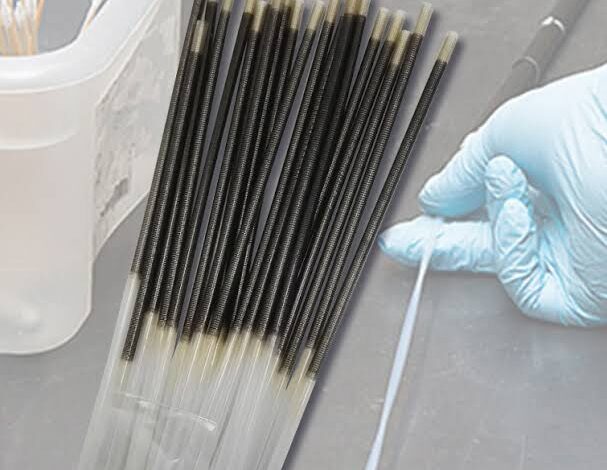
Endoscopy is a vital medical procedure used for diagnosing and treating various health conditions. It allows healthcare professionals to view the inside of the body using flexible, lighted instruments. A crucial component of modern endoscopic equipment is the biopsy channel. This small but powerful feature significantly enhances the capabilities of endoscopes, enabling healthcare professionals to perform tissue biopsies, access internal organs, and ensure a⁷ccurate diagnoses.
In this article, we will dive into the role of the biopsy channel in endoscopic procedures, explore its functions, and explain why it is indispensable for modern medical technology.
What Is a Biopsy Channel in Endoscopy?
A biopsy channel is a narrow, specialized passage in the endoscope that allows instruments, such as biopsy forceps or needles, to pass through. This channel is crucial for enabling physicians to obtain tissue samples directly from the body during endoscopic procedures. The tissue samples collected through the biopsy channel are then analyzed to help diagnose a range of conditions, including cancers, infections, and gastrointestinal diseases.
The biopsy channel is typically equipped with a sheath that maintains the flexibility and maneuverability of the endoscope while protecting both the tissue sample and the surrounding tissue. This passage is often integrated with other channels, such as suction and irrigation, to allow for efficient sample collection and removal of fluids or debris during the procedure.
How Does the Biopsy Channel Work?
During an endoscopic procedure, the biopsy channel functions as a direct pathway through which a range of tools, such as forceps, scissors, or needles, can pass. These instruments are carefully maneuvered through the channel to obtain a tissue sample from the target area, whether it’s the gastrointestinal tract, lungs, or other parts of the body.
For example, during a colonoscopy, the biopsy channel allows the physician to insert a small set of forceps into the colon to collect tissue samples for examination. Similarly, in a bronchoscopy, the biopsy channel enables physicians to take samples from the lungs, which can then be tested for infections or abnormal growths.
Why Is the Biopsy Channel Important?
The biopsy channel is essential for the following reasons:
1. Accurate Diagnosis
One of the primary uses of the biopsy channel is to facilitate the accurate diagnosis of medical conditions. It allows physicians to obtain tissue samples from inside the body, which are then sent to a laboratory for testing. This process is crucial for diagnosing diseases such as cancer, gastrointestinal disorders, infections, and autoimmune diseases. Without the biopsy channel, obtaining these samples would be much more invasive and difficult.
2. Minimally Invasive Procedure
The biopsy channel contributes to the minimally invasive nature of endoscopy. Unlike traditional surgical methods, endoscopy involves using small incisions or natural body openings, making it a less traumatic option for patients. The ability to collect biopsies through this small channel without the need for open surgery helps reduce recovery time and the risk of complications.
3. Enhanced Treatment Planning
Once a tissue sample is obtained through the biopsy channel, it provides critical information that aids in treatment planning. The information derived from the biopsy helps doctors determine the best course of action, whether that involves surgery, chemotherapy, medication, or other interventions. The biopsy channel is essential for providing accurate and timely diagnostic information, which ultimately leads to more effective treatment.
4. Increased Precision
The flexibility and maneuverability of the biopsy channel allow physicians to reach areas that would otherwise be difficult or impossible to access. Whether the procedure involves examining the digestive tract, lungs, or other internal organs, the biopsy channel ensures that the physician can obtain tissue samples with greater precision. This increased accuracy leads to better diagnostic outcomes.
Key Features of the Biopsy Channel
The biopsy channel is designed to be highly functional while ensuring that the procedure remains as safe and effective as possible. Some key features include:
- Size and Length: The size and length of the biopsy channel are designed to accommodate various biopsy tools, ensuring compatibility with instruments like forceps, needles, and scissors. The diameter of the channel is usually small but large enough to allow the passage of tools and to provide the necessary flexibility.
- Smooth Surface: The inside of the biopsy channel is smooth to allow for easy passage of instruments. This smoothness also prevents damage to the instruments and minimizes the risk of injury to the patient during the procedure.
- Multi-Functionality: In some endoscopes, the biopsy channel is integrated with other channels, such as those for suction or irrigation. This multi-functionality ensures that the physician can remove fluids, clear debris, and perform the biopsy in one seamless procedure.
The Biopsy Channel and Its Role in Different Endoscopic Procedures
The biopsy channel plays a crucial role in a variety of endoscopic procedures, including:
1. Gastroscopy
A gastroscopy, also known as an upper gastrointestinal endoscopy, involves examining the stomach and esophagus. The biopsy channel allows for the collection of tissue samples from suspicious areas, such as ulcers or abnormal growths, to diagnose conditions like gastric cancer or ulcers.
2. Colonoscopy
In colonoscopy, the biopsy channel is used to collect samples from the colon or rectum. It helps diagnose colorectal cancer, inflammatory bowel disease (IBD), and polyps. The biopsy channel is vital for early detection, improving patient outcomes by identifying potential health issues before they progress.
3. Bronchoscopy
Bronchoscopy allows doctors to examine the airways and lungs. The biopsy channel is used to collect lung tissue for diagnostic purposes, such as testing for lung cancer, infections, or other lung conditions. The precision of the biopsy channel is crucial in obtaining accurate samples from the lungs.
How the Biopsy Channel Supports Modern Healthcare
As modern healthcare continues to evolve, the need for minimally invasive diagnostic techniques becomes increasingly important. The biopsy channel plays a central role in this transformation. It allows for faster, more accurate diagnoses with fewer risks and quicker recovery times compared to traditional surgical methods. By using endoscopes equipped with a biopsy channel, healthcare professionals can provide better care with greater precision, enhancing patient outcomes and reducing the burden on healthcare systems.
Conclusion
The biopsy channel is a vital component of modern endoscopic equipment, enabling healthcare professionals to perform minimally invasive biopsies with precision. It plays a significant role in diagnostic procedures by facilitating the collection of tissue samples from inside the body. Whether used in gastroscopy, colonoscopy, or bronchoscopy, the biopsy channel ensures accurate diagnoses and contributes to improved patient care. The flexibility, safety, and efficiency provided by the biopsy channel make it indispensable for modern medical practices.
With the growing importance of Organic cotton women’s clothes and the increasing demand for comfortable, eco-friendly attire, just as careful design is required to make a great organic cotton women’s dress, the biopsy channel in endoscopic devices is meticulously engineered for optimal performance and reliability.


