
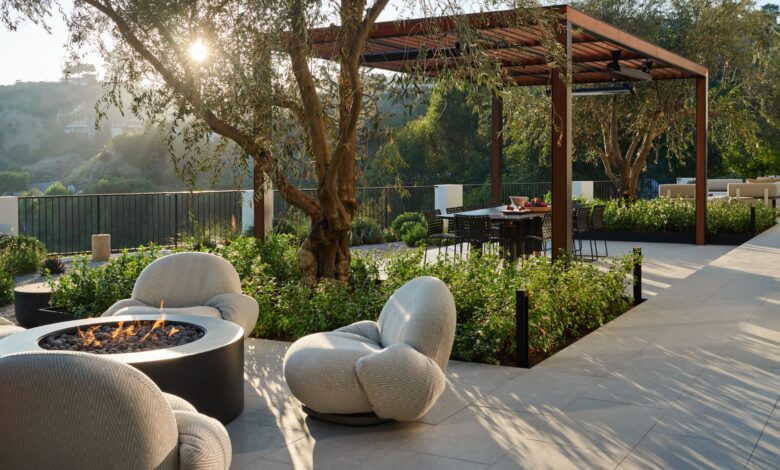
Furniture is no longer just about function—it’s about creating experiences. As lifestyles evolve, so do the expectations around how spaces should look, feel, and adapt. Today’s consumers want seamless transitions between indoor and outdoor environments, personalized designs, and furniture that reflects both comfort and innovation.
From modular systems to smart features, here are the key trends shaping the future of indoor and outdoor furniture.
Top Trends Shaping the Indoor & Outdoor Furniture Industry
1. Indoor-Outdoor Living Integration
The line between indoor and outdoor spaces is quickly disappearing. Homeowners are designing patios, balconies, and gardens as natural extensions of their interiors.
We’re seeing outdoor furniture that mirrors indoor aesthetics—plush sofas, elegant finishes, and cohesive color palettes. At the same time, materials are becoming more advanced, offering durability without sacrificing style.
2. Rise of Modular Furniture Systems
Flexibility is no longer a luxury—it’s expected.
Modular furniture allows users to rearrange, expand, or adapt pieces based on their space and lifestyle. This is especially relevant for urban living, where space constraints demand smarter solutions.
From sectional sofas to outdoor lounge sets, modularity gives users control over how their furniture evolves..
3. Customization Through 3D Technology is used in sales and marketing
Customers don’t just want to buy furniture—they want to shape it.
Tools like a real time 3d configurator are changing how people interact with products online. Instead of relying on static images, customers can explore different configurations, materials, and layouts dynamically and intuitively.
This experience becomes even more powerful when paired with augmented reality for furniture, allowing users to visualize pieces directly in their own spaces. The result is a more confident, informed buying decision—especially for larger or customizable items.
4. Sustainable Materials and Circular Design
Sustainability is no longer a niche concern—it’s a core purchasing factor.
Consumers are actively looking for furniture made from recycled materials, responsibly sourced wood, and eco-friendly fabrics. Beyond materials, there’s also a growing focus on durability and circular design—products that are built to last, repair, or be reused.
For both indoor and outdoor furniture, longevity is becoming a key part of the value proposition.
5. Smart Furniture and Connected Living
As homes become smarter, furniture is following suit.
Integrated charging ports, built-in lighting, and even app-controlled features are becoming more common. Outdoor spaces are also benefiting from this shift, with weather-resistant tech integrations enabling fully functional outdoor living setups.
This trend reflects a broader movement toward convenience and connected lifestyles.
6. Compact and Multi-Functional Designs
With smaller living spaces on the rise, furniture needs to do more with less.
Multi-functional pieces—such as storage-integrated seating, extendable tables, and convertible furniture—are gaining popularity. These designs maximize utility without compromising on aesthetics.
This trend applies equally to outdoor furniture, where space optimization is just as important.
7. Luxury Comfort in Outdoor Spaces
Outdoor furniture is no longer an afterthought—it’s becoming just as comfortable as indoor furniture.
Deep seating, premium cushions, and ergonomic designs are turning outdoor areas into true relaxation zones. The focus is on creating a lounge-like experience, whether it’s in a backyard, terrace, or rooftop.
Comfort is now a defining factor across both environments.
8. Bold Textures and Natural Finishes
Design trends are leaning toward authenticity and tactile appeal.
Natural wood grains, woven materials, stone finishes, and earthy tones are dominating both indoor and outdoor collections. At the same time, bold textures and layered materials are being used to create visual interest and depth.
This balance between natural and expressive design helps spaces feel both grounded and distinctive.
What This Means for Furniture Brands
These trends highlight a clear shift: furniture is becoming more flexible, more digital, and more customer-driven.
For brands, this means rethinking not only product design but also the buying experience. Interactive visualization, customization tools, and immersive technologies are becoming essential for showcasing complex products and meeting rising customer expectations.
At the same time, sustainability, modularity, and smart features are setting new standards that brands need to keep up with.
Conclusion
The future of indoor and outdoor furniture is defined by adaptability, personalization, and seamless living.
As the boundaries between spaces continue to blur, the most successful brands will be those that combine thoughtful design with digital innovation—creating not just furniture but experiences that truly fit how people live.


