The Ultimate Guide to Residential Roofing: Materials, Installation, and Maintenance Tips

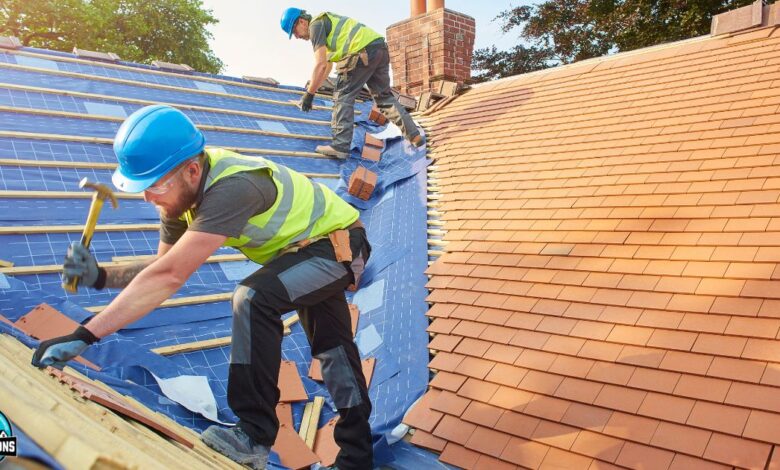
When it comes to maintaining or upgrading your home, the roof is one of the most important aspects to consider. The right residential roofing not only protects your home from the elements but also contributes to the overall aesthetic appeal and value of your property. Whether you’re building a new home, replacing an old roof, or simply making necessary repairs, understanding the ins and outs of residential roofing is essential for making informed decisions.
This comprehensive guide will provide you with all the essential information about residential roofing, from the types of materials available to the installation process and regular maintenance tips that will help extend the lifespan of your roof.
Why Residential Roofing is Crucial for Your Home
Your roof is the first line of defense when it comes to protecting your home. It’s exposed to the elements every single day, which is why it plays such a critical role in maintaining the comfort and safety of your home. Without a properly installed and maintained roof, your home becomes vulnerable to water damage, energy loss, and even structural issues.
Here are some key reasons why residential roofing is so important:
- Protection from the Elements: A solid roof keeps rain, snow, and wind out of your home, preventing water damage to the interior. It also shields you from harmful UV rays and extreme temperatures.
- Energy Efficiency: An effective roofing system helps maintain your home’s insulation, reducing the need for excessive heating and cooling. A roof with proper insulation can significantly lower your energy bills.
- Structural Integrity: A roof provides structural support for the rest of your home. It ensures that your walls, foundation, and ceiling stay secure over time.
- Aesthetic Appeal and Curb Appeal: The roof is one of the first things people notice about your home. A well-maintained or newly replaced roof can add to the aesthetic appeal of your property, making it more attractive to potential buyers if you plan to sell.
- Longevity of Your Home: Without a quality roof, the longevity of your home can be compromised. Regular roof maintenance is essential to ensure that your home remains safe and secure for years to come.
Types of Residential Roofing Materials
One of the first decisions homeowners must make when installing or replacing a roof is choosing the material. There are several options available, each with its own set of benefits and drawbacks. The choice of material will depend on factors such as budget, durability, aesthetic preferences, and climate.
1. Asphalt Shingles
Asphalt shingles are the most commonly used roofing material for residential homes. They are affordable, easy to install, and come in a variety of colors and styles.
- Lifespan: 20-30 years
- Pros: Affordable, widely available, easy to install and replace, variety of styles
- Cons: Less durable than some other materials, susceptible to extreme weather conditions like hail and high winds
Asphalt shingles are a great option for homeowners who are on a budget and need a reliable, standard roofing solution. However, if you live in an area with harsh weather, you may want to consider a more durable material for your residential roofing.
2. Metal Roofing
Metal roofing has gained popularity in recent years due to its durability and energy efficiency. Made from materials like steel, aluminum, or copper, metal roofs are known for their longevity and ability to withstand extreme weather conditions.
- Lifespan: 40-70 years
- Pros: Long-lasting, fire-resistant, energy-efficient, lightweight, recyclable
- Cons: Expensive upfront cost, noisy during rain and hail, dents can occur in some materials
Metal roofs are a great choice for homeowners looking for a long-lasting and energy-efficient roofing solution. The durability of metal roofing makes it an ideal choice for areas with heavy snow, rain, or high winds.
3. Clay and Concrete Tiles
Clay and concrete tiles are known for their distinctive appearance and long lifespan. They are a popular choice for homes in Mediterranean, Spanish, or Southwestern styles.
- Lifespan: 50-100 years
- Pros: Extremely durable, fire-resistant, energy-efficient, attractive
- Cons: Heavy (requires reinforced roof structure), expensive, fragile (can break if walked on)
Clay and concrete tiles are durable and offer a unique aesthetic appeal, making them a great option for homeowners who want a roof that is both functional and eye-catching.
4. Slate Roofing
Slate roofing is one of the most durable and long-lasting options available. Made from natural stone, slate roofs are known for their timeless beauty and longevity.
- Lifespan: 75-100+ years
- Pros: Extremely durable, elegant appearance, fire-resistant, environmentally friendly
- Cons: Expensive, heavy (requires structural reinforcement), difficult to repair
Slate roofs are ideal for homeowners who are looking for a high-end, long-lasting roofing material. If you want a roofing system that will stand the test of time and add value to your home, slate is an excellent choice.
5. Wood Shingles and Shakes
Wood shingles and shakes provide a natural, rustic aesthetic and are commonly used on homes in areas with a lot of natural landscapes. Cedar is the most commonly used wood for shingles and shakes.
- Lifespan: 30-40 years
- Pros: Natural appearance, good insulation properties, resistant to mildew
- Cons: Requires regular maintenance, susceptible to fire, can be expensive
Wood roofing is a great choice if you want a traditional or rustic look for your home. However, it does require more maintenance than some other materials, and the risk of fire should be considered.
The Residential Roofing Installation Process
Installing a roof is a significant project that requires careful planning and attention to detail. The installation process can vary depending on the roofing material and the complexity of your roof, but there are general steps involved:
- Preparation and Removal: The first step is to prepare your home for the new roof. This includes removing the old roofing material and inspecting the underlying structure to ensure it is in good condition.
- Inspection and Repair: Before installing a new roof, a roofing contractor will inspect the decking (the surface beneath the shingles) for signs of damage. If any repairs are needed, they will be made before proceeding.
- Underlayment Installation: After the decking is ready, an underlayment is installed. This layer provides additional waterproofing and acts as a barrier against moisture.
- Installation of Roofing Material: Depending on the material you’ve chosen, the roofing system is installed. This could involve laying asphalt shingles, attaching metal panels, or installing tiles.
- Flashing and Ventilation: Flashing is installed around areas like chimneys and vents to prevent water from seeping in. Proper ventilation is also critical to maintaining the roof’s lifespan.
- Final Inspection: After the roofing material is installed, a final inspection is conducted to ensure everything is properly aligned and sealed. This step helps prevent future issues like leaks.
Working with an experienced roofing contractor can ensure that your residential roofing installation is done correctly and efficiently. Be sure to choose a contractor with a strong reputation for quality work.
Residential Roofing Maintenance Tips
Once your new roof is installed, it’s essential to keep it well-maintained to ensure it lasts as long as possible. Regular maintenance will help you catch problems early and avoid costly repairs. Here are some essential tips for maintaining your residential roofing:
- Clean Gutters Regularly: Clogged gutters can lead to water backup, which can damage your roof and cause leaks. Make it a habit to clean your gutters at least twice a year, especially during the fall when leaves accumulate.
- Inspect the Roof Annually: Regularly inspect your roof for signs of damage, such as missing shingles, cracks, or algae growth. Early detection of issues can save you money on more extensive repairs.
- Trim Overhanging Trees: Trees that hang over your roof can damage shingles and allow branches to scrape the surface. Trim any overhanging branches to prevent them from causing damage during storms or high winds.
- Check for Moss or Algae Growth: In humid climates, moss and algae can grow on your roof, which can cause shingles to deteriorate. If you notice moss or algae, have it professionally cleaned to prevent damage.
- Maintain Proper Insulation: Proper insulation helps regulate the temperature in your home and prevents ice dams from forming in the winter. Ensure your attic is properly insulated and ventilated to prevent heat buildup.
- Schedule Professional Inspections: Having a professional inspect your roof every few years can help you catch issues early and keep your roof in optimal condition. A roofing contractor can identify problems you might not see during a visual inspection.
Conclusion
Residential roofing is a vital part of maintaining the safety, energy efficiency, and aesthetic appeal of your home. Whether you’re installing a new roof, replacing an old one, or just performing routine maintenance, understanding the materials, installation process, and upkeep involved will help ensure that your roof remains strong and functional for years to come.
By selecting the right roofing material for your needs, working with a skilled contractor, and maintaining your roof regularly, you can protect your home from the elements and improve its overall value. When it’s time to replace or repair your roof, trust professionals who specialize in residential roofing to guide you through the process and provide quality results


