Unlocking the Secrets of Mining Conveyor Belts: Types, Features, and Innovations


A mining conveyor belt is a critical component in the automated transportation system used within the mining industry to move large quantities of materials, such as coal, ore, and other extracted minerals, over long distances and often challenging terrain. These belts are engineered for durability and efficiency, providing a continuous flow of materials between locations, reducing the need for truck haulage, and thereby significantly lowering operational costs and enhancing productivity. The importance of mining conveyor belts in the mining industry cannot be overstated; they are not only essential for maintaining high production rates but also crucial in ensuring operational safety. Their role in the effective management of mining operations makes them a cornerstone of modern mining endeavors.
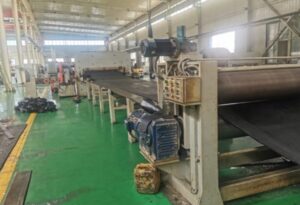
Types of Mining Conveyor Belts
Mining operations require different types of conveyor belts based on the material they handle and the environmental conditions of the operation. The choice of conveyor belt affects the cost-efficiency, operation speed, and lifespan of the system. Here are the primary types used in the industry:
Steel Cord Conveyor Belts
Steel cord conveyor belts are distinguished by their incorporation of steel cords in their structure, which provides superior strength and durability. These belts are designed to handle heavy loads over long distances with a single splice. The high tensile strength of the steel cords allows these belts to support large amounts of weight, making them ideal for deep pit mining where high vertical and horizontal loads are common. Steel cord belts are also preferred in situations where high speed is crucial and under conditions that require a low stretch ratio. The robust construction minimizes maintenance and ensures longevity even under the harsh conditions of mining environments.

Nylon Conveyor Belts
Nylon conveyor belts are known for their flexibility, high tensile strength, and good shock resistance, making them suitable for medium and long-distance conveying tasks. Composed of nylon fibers both in the warp and the weft, these belts offer excellent resistance to abrasion and can handle various materials, including abrasive ones like sand, gravel, and crushed stone. Nylon belts are particularly valued in the mining industry for their ability to absorb impact and resist wear and tear, which significantly extends their service life. Their elasticity makes them ideal for conveying systems that require precise alignment and are subject to dynamic forces and loads.
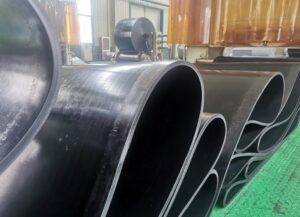
PVC Conveyor Belts
PVC conveyor belts are made from polyvinyl chloride, which is known for its durability and resistance to chemicals. These belts are lighter than their rubber counterparts and offer good resistance to fire and static electricity, which is critical in environments where flammable materials are handled, such as in coal mining. PVC belts are generally used in indoor scenarios or in applications where less rugged material handling is needed. They are easy to install and maintain and provide a cost-effective solution for many light to medium-duty applications within the mining industry.
Each type of conveyor belt brings its specific advantages to mining operations, allowing for customization and optimization based on the particular needs of each application. The selection of the appropriate belt involves considering various factors including the type of material to be transported, the distance it must travel, environmental conditions, and the overall operational demands of the mine.
Key Features and Technical Specifications
The effectiveness and reliability of mining conveyor belts are heavily dependent on their features and specifications, which are tailored to meet the rigorous demands of the mining environment. This section details the durability, tensile strength, resistance characteristics, and specific specifications for different types of mining conveyor belts.
Durability
Durability is a crucial aspect of mining conveyor belts, determining how well they withstand the operational stresses over time without failure. Factors affecting durability include the quality of materials used, the construction process, and the belt’s resistance to wear and tear from abrasive materials. Steel cord conveyor belts, for example, are highly durable due to their steel make-up, making them suitable for conditions that would wear down other materials quickly. Nylon belts, while also durable, excel in settings where flexibility and resistance to impacts are required. PVC conveyor belts, though less durable in harsh conditions, are adequate for less demanding environments where chemical resistance and fire safety are priorities.
Tensile Strength
Tensile strength refers to the maximum load that a conveyor belt can handle while being stretched before it breaks. Steel cord belts often offer the highest tensile strength, capable of carrying immense loads across long distances with minimal elongation. This makes them ideal for the vast and open stretches of surface mining operations. Nylon belts also exhibit high tensile strength, beneficial for applications requiring shock absorption capabilities. PVC belts, offering moderate tensile strength, are more suited to lighter applications where extreme conditions do not challenge the belt’s integrity.
Resistance Characteristics
Resistance characteristics are essential for ensuring that the conveyor belts perform under varying and often harsh environmental conditions. This includes resistance to:
Abrasion: Essential for belts in contact with rough materials.
Chemicals: Important for belts exposed to harsh chemicals or corrosive environments.
Heat: Crucial for belts used near high temperatures or in direct sunlight.
Fire: A mandatory safety feature for belts used in environments where there is a risk of fire.
Oil and Grease: Important in applications where belts come into contact with oil or grease, which can degrade certain materials.
Specifications for Different Types of Mining Conveyor Belts
Steel Cord Conveyor Belts: Specifications include belt width, cord diameter, cord pitch, top and bottom cover thickness, and overall belt thickness. These belts are specified to have excellent load capacity and low elongation, making them suitable for long-distance, high-load applications.
Nylon Conveyor Belts: These belts are typically specified by the fabric type and the number of fabric plies, belt width, and cover thickness. Nylon belts are designed to be flexible and durable, with excellent impact and tear resistance, making them suitable for medium to long-distance conveying.
PVC Conveyor Belts: Specifications often include belt width, total thickness, cover grade, and surface texture. PVC belts are generally used for light to medium applications, featuring good chemical and fire resistance properties.
Choosing the right type of conveyor belt involves understanding these key features and specifications to match the belt’s capabilities with the operational demands of the mining environment. This ensures optimal performance, safety, and cost-efficiency in the transportation of materials.
Major Manufacturers and Global Supply Chain
The mining conveyor belt industry is supported by a robust and highly competitive global market. Several key manufacturers lead the industry, not only by supplying essential products but also by driving innovation and sustainability in conveyor belt technology. A notable player among these is GRAM Conveyor, which has carved out a significant niche in the market.
Overview of Leading Mining Conveyor Belt Manufacturers
GRAM Conveyor: Known for its high-quality manufacturing standards and innovative designs, GRAM Conveyor stands out in the mining conveyor belt industry. They specialize in belts that are both durable and capable of withstanding the harsh conditions of mining operations. Their products are renowned for superior tensile strength and wear resistance, making them a preferred choice for heavy-duty mining applications.
Other Key Manufacturers: Besides GRAM Conveyor, other major players include Bridgestone, ContiTech AG, and Fenner Dunlop, each contributing to the global supply with their specialized products. These companies offer a range of conveyor belts that cater to different mining needs, from surface mining to deep underground operations.
Discussion on the Global Distribution and Supply Chain Logistics
The global distribution and supply chain of mining conveyor belts are intricate systems designed to ensure that operations in even the most remote mining locations can receive the necessary equipment efficiently and reliably.
Manufacturing and Distribution Centers: GRAM Conveyor, like its counterparts, operates multiple manufacturing facilities spread across various continents. This strategic placement of facilities helps minimize the time and cost associated with shipping their products worldwide. They utilize a mix of direct sales and distributor networks to reach their global customer base.
Supply Chain Dynamics: The supply chain logistics of mining conveyor belts involve careful coordination of material sourcing, manufacturing processes, inventory management, and delivery schedules. Companies like GRAM Conveyor employ advanced supply chain management practices to enhance efficiency and reduce delays. They monitor raw material quality from suppliers to ensure the final product meets the high standards required for mining operations.
Challenges in Logistics: Transporting heavy-duty conveyor belts across great distances and into often remote and difficult-to-reach mining sites presents significant logistical challenges. These include navigating customs and import regulations in different countries and managing the risk of transportation delays due to geopolitical or environmental factors.
Technology in Supply Chain Management: Advanced tracking and logistics technologies play a crucial role in managing the global distribution of conveyor belts. GRAM Conveyor utilizes state-of-the-art logistics software to track shipments in real-time, predict potential issues, and manage warehouse stock more effectively.
Environmental and Regulatory Compliance: Environmental sustainability and compliance with international trade regulations are critical aspects of the global supply chain. Manufacturers must adapt their production and transport methods to meet various environmental standards imposed by the countries they operate in. This includes reducing carbon footprints and ensuring that products are manufactured and transported in environmentally friendly ways.
Major manufacturers like GRAM Conveyor not only lead in the production of high-quality mining conveyor belts but also excel in managing complex global supply chains that ensure the availability of their products wherever they are needed. This global network, backed by advanced logistics and compliance with international standards, is essential for meeting the demands of the modern mining industry.
Challenges and Innovations
The mining conveyor belt industry faces several significant challenges, primarily related to environmental impacts and regulatory compliance. However, these challenges also drive substantial technological advancements in conveyor belt design and materials, fostering improvements in efficiency, safety, and sustainability.
Environmental Impacts and Regulatory Challenges
Environmental Impacts:
Resource Consumption: The production of conveyor belts, especially those incorporating synthetic materials and metals, consumes significant natural resources. This includes the extraction of rubber, petroleum, and metals, which has substantial environmental footprints.
Emissions: The manufacturing process for conveyor belts involves the emission of volatile organic compounds (VOCs) and other pollutants, contributing to environmental pollution.
Waste and Recycling: End-of-life disposal of old conveyor belts poses a significant challenge. Traditional disposal methods can lead to considerable waste, and the recycling of materials from used conveyor belts is often complex and cost-intensive.
Regulatory Challenges:
Compliance with Environmental Laws: Manufacturers must adhere to stringent environmental regulations that govern emissions and waste management. These laws are continually evolving, requiring constant vigilance and adaptation.
Safety Standards: Mining conveyor belts must meet high safety standards to prevent accidents. These standards can vary significantly between regions, requiring global manufacturers to adapt their products to meet local codes.
Product Quality and Consistency: Regulations also dictate the quality and durability of conveyor belts to ensure they safely support the intended loads without failure, necessitating rigorous testing and quality control measures.
Technological Advancements in Conveyor Belt Design and Materials
In response to these challenges, the industry has seen significant innovations aimed at enhancing the performance and environmental footprint of mining conveyor belts:
Materials Technology:
Development of Eco-Friendly Materials: Advances in material science have led to the development of more sustainable, eco-friendly materials for conveyor belts. This includes recycled materials and biodegradable alternatives that reduce the environmental impact of production and disposal.
Improved Durability and Efficiency: New materials and composites are being developed to enhance the durability and efficiency of conveyor belts. For example, reinforced polymers and advanced rubbers offer greater wear resistance and longer life spans, reducing the frequency of belt replacements.
Design Innovations:
Energy-Efficient Designs: There is a growing focus on reducing the energy consumption of conveyor systems. New belt designs include features like improved rolling resistance, which reduces the energy needed for operation.
Smart Conveyor Belts: Incorporation of IoT technology into conveyor belt systems allows for real-time monitoring of belt health, predicting maintenance needs, and promptly addressing issues before they lead to failures.
Advanced Safety Features: Innovations such as embedded sensors and auto-shutoff mechanisms enhance the safety of conveyor belts by detecting potential hazards like misalignments or excessive load and automatically initiating corrective actions.
Regulatory and Environmental Compliance:
Reduced Pollution Technologies: Techniques such as solvent-free adhesives and coatings in the production process reduce the emission of harmful chemicals.
Enhanced Recycling Techniques: Advances in recycling technology allow more effective recovery of materials from used conveyor belts, promoting a circular economy in the industry.
While the challenges facing the mining conveyor belt industry are significant, they have spurred a range of innovations that not only address environmental and regulatory concerns but also push the boundaries of what these essential systems can achieve. This dynamic interplay between challenge and innovation continues to drive progress in the mining conveyor belt market, promising even more advanced and sustainable solutions in the future.