The Ultimate Guide to eSIM Technology: Revolutionizing Global Connectivity for Modern Travelers

In today’s hyper-connected world, staying online while traveling internationally has become as essential as carrying your passport. Gone are the days when travelers had to rely on expensive roaming charges, hunt for local SIM cards, or struggle with unreliable public Wi-Fi networks. The digital revolution has brought us eSIM technology, a game-changing innovation that’s transforming how we maintain connectivity across borders. Whether you’re planning a business trip across multiple European countries, exploring the vibrant landscapes of Vietnam, or embarking on an extensive Asian adventure, understanding eSIM technology can save you hundreds of dollars while ensuring seamless connectivity throughout your journey.
Understanding eSIM Technology: The Foundation of Modern Mobile Connectivity
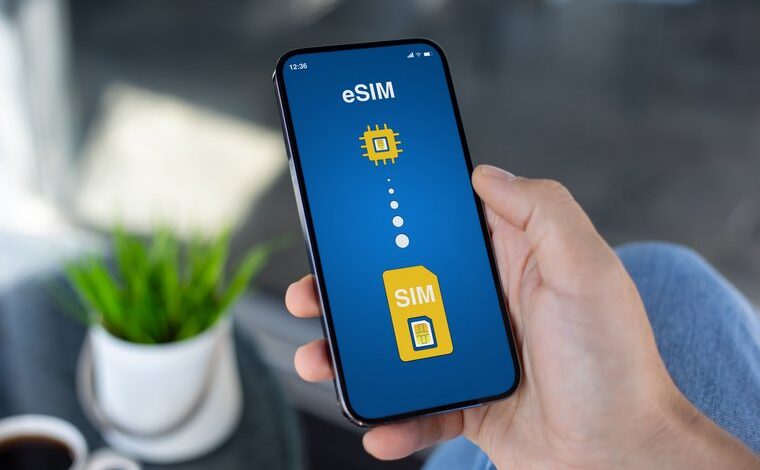
Electronic SIM (eSIM) technology represents a paradigm shift in mobile telecommunications. Unlike traditional physical SIM cards that require manual insertion and swapping, eSIMs are embedded directly into your device’s hardware. This revolutionary approach eliminates the need for physical SIM card slots while providing users with unprecedented flexibility in managing their mobile subscriptions.
The technology works through a secure element embedded in your smartphone, tablet, or smartwatch. This programmable chip can store multiple carrier profiles simultaneously, allowing users to switch between different networks without physically changing SIM cards. The activation process is entirely digital, typically requiring only a QR code scan or a simple app download to configure your new connection.
Modern eSIM-enabled devices can store multiple profiles, with most smartphones supporting 5-10 different eSIM profiles simultaneously. However, only one or two profiles can be active at any given time, depending on your device’s dual-SIM capabilities. This functionality proves invaluable for international travelers who need to maintain their home number while accessing local data plans in foreign countries.
The Evolution of International Roaming: From Expensive to Accessible
Traditional international roaming has long been the bane of travelers’ existence. Major carriers historically charged exorbitant fees for international data usage, often reaching $15-20 per megabyte in some regions. These costs could easily result in shocking bills of thousands of dollars for moderate usage during a week-long vacation.
The introduction of eSIM technology has fundamentally disrupted this model. Instead of being locked into expensive roaming agreements, travelers can now purchase local or regional data plans directly from various eSIM providers. These plans are typically priced at a fraction of traditional roaming costs, offering gigabytes of data for the price of what used to buy mere megabytes.
Furthermore, eSIM plans often provide better network coverage and faster speeds than roaming connections. Since eSIM providers partner directly with local carriers in each region, users can access the same high-quality networks that local residents use, rather than being relegated to potentially slower roaming partnerships.
Regional eSIM Solutions: Tailored Connectivity for Every Destination
Different regions of the world present unique connectivity challenges and opportunities. Understanding regional eSIM options helps travelers make informed decisions about their international connectivity needs.
European connectivity presents interesting challenges due to the continent’s diverse telecommunications landscape. While EU roaming regulations have eliminated roaming charges between member countries for EU residents, international visitors still face significant costs when using traditional roaming services. European eSIM solutions address this challenge by providing seamless connectivity across multiple countries with a single plan. These regional plans typically cover 30+ European countries, allowing travelers to maintain consistent internet access whether they’re exploring the historic streets of Prague, conducting business in Frankfurt, or relaxing on Mediterranean beaches. For comprehensive coverage across Europe, eSIM Europe solutions offer the most cost-effective and convenient connectivity options for international travelers.
Southeast Asian Connectivity: Navigating Diverse Networks and Regulations
Southeast Asia presents a particularly complex telecommunications environment, with varying network qualities, regulatory frameworks, and pricing structures across different countries. Each nation in the region has developed its telecommunications infrastructure at different paces, resulting in significant variations in coverage and quality.
Vietnam exemplifies these regional challenges and opportunities. The country has invested heavily in modern 4G and 5G infrastructure, particularly in urban areas like Ho Chi Minh City and Hanoi. However, rural and mountainous regions may still have limited connectivity options. Vietnamese telecommunications regulations also require specific documentation for SIM card purchases, making traditional tourist SIM cards somewhat cumbersome to obtain. Vietnamese eSIM solutions bypass these administrative hurdles while providing excellent coverage throughout the country. For travelers planning to explore Vietnam’s diverse landscapes, from bustling cities to remote mountain regions, eSIM Vietnam options provide reliable connectivity without the bureaucratic complications of traditional SIM cards.
The broader Asian market presents even more diverse challenges. Countries like South Korea and Singapore boast world-class telecommunications infrastructure with widespread 5G coverage, while other nations in the region are still developing their networks. Currency variations, language barriers, and different purchasing procedures for local SIM cards can create significant obstacles for travelers trying to maintain connectivity across multiple Asian countries.
Comprehensive Asian eSIM Solutions: Bridging Connectivity Gaps
Regional Asian eSIM plans have emerged as the optimal solution for travelers exploring multiple countries within the continent. These comprehensive plans typically cover 15-20+ Asian countries, providing seamless connectivity from the technological hubs of Singapore and Hong Kong to the cultural destinations of Thailand and Cambodia.
The advantages of regional Asian plans extend beyond mere convenience. They offer consistent pricing structures, eliminating the need to research and compare local rates in each country. They also provide uniform customer support, typically available in English and other major international languages, which can be invaluable when troubleshooting connectivity issues in countries where language barriers might otherwise complicate technical support interactions.
For extensive Asian travel itineraries, eSIM Asia plans represent the most comprehensive and economical solution, offering broad regional coverage with the flexibility to extend or modify plans as travel needs change.
Device Compatibility and Setup: Ensuring Seamless Integration
Not all devices support eSIM technology, making compatibility verification essential before relying on eSIM solutions for international travel. Most smartphones manufactured after 2018 include eSIM capabilities, but the specific implementation varies between manufacturers and models.
Apple devices have been eSIM-compatible since the iPhone XS series, with newer models supporting multiple eSIM profiles simultaneously. Android device support varies more significantly, with flagship devices from Samsung, Google, and other major manufacturers generally including eSIM functionality, while budget and mid-range devices may lack this feature.
The setup process for eSIM activation has been streamlined across most providers. Typically, users receive a QR code via email after purchasing their eSIM plan. Scanning this code with their device’s camera automatically downloads and configures the eSIM profile. Some providers also offer manual setup options for devices that don’t support QR code activation.
Economic Benefits: Calculating Real Savings
The financial advantages of eSIM technology become apparent when comparing costs across different usage scenarios. Consider a typical two-week European vacation where a traveler visits four countries. Traditional roaming charges might cost $200-400 for moderate data usage, while a comprehensive European eSIM plan could provide the same connectivity for $30-60.
For business travelers who frequently visit multiple countries, the savings multiply dramatically. A consultant traveling monthly to various Asian markets might spend $2,000-3,000 annually on roaming charges, while regional eSIM solutions could reduce these costs to $300-500 per year.
These savings don’t account for the additional benefits of predictable pricing, elimination of bill shock, and the ability to purchase exactly the amount of data needed for each trip. eSIM plans also typically include transparent pricing with no hidden fees, unlike traditional roaming services that might include various surcharges and taxes.
Security Considerations: Protecting Your Digital Identity Abroad
International connectivity introduces various security risks that travelers must consider. Public Wi-Fi networks, common in hotels and airports, often lack proper encryption and can expose sensitive information to malicious actors. Relying on personal hotspots created through eSIM connections provides a more secure alternative to potentially compromised public networks.
eSIM technology itself incorporates robust security features. The embedded secure element that stores eSIM profiles uses the same cryptographic standards employed in banking applications. Remote provisioning of eSIM profiles occurs through encrypted channels, making unauthorized access extremely difficult.
However, travelers should still implement additional security measures when using any international connectivity solution. VPN services can provide an extra layer of protection, encrypting all internet traffic regardless of the underlying network. Regular security updates and avoiding suspicious downloads remain important practices when traveling internationally.
Future Developments: The Evolution of eSIM Technology
The eSIM ecosystem continues evolving rapidly, with new features and capabilities emerging regularly. 5G network integration promises even faster speeds and lower latency, particularly beneficial for business travelers who need to participate in video conferences or access cloud-based applications while abroad.
Artificial intelligence integration is beginning to appear in eSIM management platforms, potentially enabling automatic network optimization based on location, usage patterns, and available networks. These smart features could automatically switch between different eSIM profiles to ensure optimal connectivity and pricing.
The Internet of Things (IoT) represents another frontier for eSIM technology. As more devices become connected, from rental cars with built-in navigation to portable translators and travel accessories, eSIM technology will enable these devices to maintain connectivity across international borders without complex configuration requirements.
Environmental Impact: Sustainable Connectivity Solutions
eSIM technology contributes to environmental sustainability in several ways. Eliminating physical SIM cards reduces plastic waste, while digital provisioning eliminates the packaging and shipping associated with traditional SIM card distribution. For frequent travelers, this environmental benefit multiplies across multiple trips and destinations.
The efficiency of eSIM networks also reduces energy consumption compared to traditional roaming arrangements, which often route traffic through multiple international gateways. Direct connections to local networks through eSIM providers typically result in more efficient data routing and reduced energy consumption.
Troubleshooting Common eSIM Issues
Despite the general reliability of eSIM technology, travelers may occasionally encounter connectivity issues. Understanding common problems and their solutions can prevent minor technical difficulties from disrupting important travel plans.
Network selection issues sometimes occur when devices don’t automatically connect to the optimal available network. Manual network selection through device settings can resolve these problems, though users should be aware that different networks may offer varying speeds and coverage areas.
Profile activation failures occasionally happen, particularly when traveling between time zones or in areas with limited connectivity during the initial setup process. Most eSIM providers offer 24/7 customer support to assist with activation issues, and having backup connectivity options (such as offline maps and emergency contact information) remains advisable.
Frequently Asked Questions
Q: Can I use multiple eSIM profiles simultaneously on my device? A: Most modern smartphones support dual-SIM functionality, allowing you to keep one eSIM profile active for calls and texts (typically your home number) while using another eSIM profile for data. However, you cannot use multiple eSIM profiles for the same function simultaneously.
Q: What happens to my eSIM plan if my phone is lost or stolen while traveling? A: eSIM profiles are tied to your device’s hardware, so a lost or stolen phone means losing access to your eSIM plans. However, most eSIM providers can transfer your remaining data balance to a new device if you contact customer support with proof of purchase and identity verification.
Q: Do eSIM plans work with all mobile apps and services? A: Yes, eSIM connections function identically to traditional SIM card connections from an application perspective. All apps, services, and features that work with regular mobile data will work with eSIM connectivity.
Q: Can I share my eSIM data connection with other devices through hotspot functionality? A: Most eSIM plans support mobile hotspot functionality, allowing you to share your connection with laptops, tablets, and other devices. However, some plans may have restrictions on hotspot usage, so check your specific plan details.
Q: How far in advance should I purchase my international eSIM plan? A: eSIM plans can typically be purchased and activated immediately, but buying 24-48 hours before travel is recommended. This provides time to test the connection and resolve any potential issues before departure.
Q: Are there any countries where eSIM technology doesn’t work? A: eSIM technology works in most countries with modern telecommunications infrastructure. However, some countries with strict telecommunications regulations may have limited eSIM provider options. Check coverage maps with your chosen eSIM provider before traveling to ensure service availability.
Q: Can I keep my home phone number active while using an international eSIM for data? A: Yes, dual-SIM functionality allows you to maintain your home number for calls and texts while using an international eSIM exclusively for data. This setup provides the best combination of accessibility and cost savings.
The eSIM revolution has fundamentally transformed international travel connectivity, offering unprecedented flexibility, significant cost savings, and enhanced security compared to traditional roaming solutions. As telecommunications technology continues advancing, eSIM adoption will likely become universal, making international connectivity as simple and affordable as domestic usage. For modern travelers, understanding and utilizing eSIM technology isn’t just a convenience—it’s an essential tool for maintaining productivity, safety, and connection with the world while exploring new destinations.