
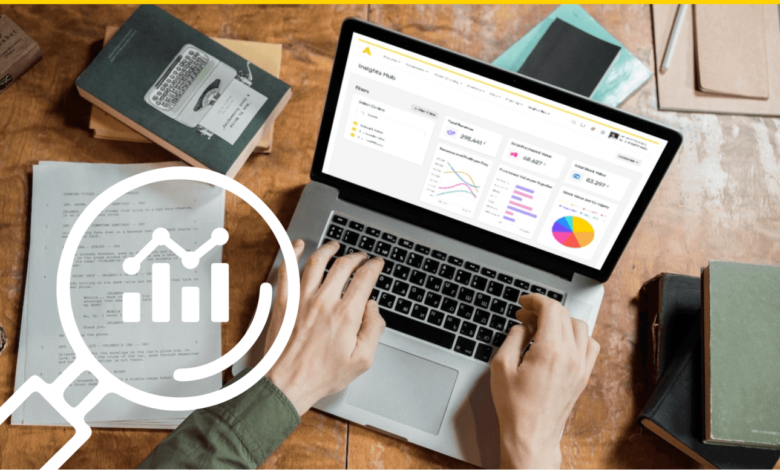
Introduction to Restaurant Analytics Software
In the highly competitive and ever-evolving restaurant industry, making informed decisions is crucial for success. Restaurant analytics software has emerged as a vital tool for restaurateurs seeking to gain a competitive edge. This technology leverages data to provide actionable insights into various aspects of restaurant operations, from customer behavior to inventory management. By harnessing the power of restaurant analytics software, businesses can optimize their operations, enhance customer satisfaction, and ultimately boost profitability. In this article, we will explore the fundamental aspects of restaurant analytics software, its key features, and the benefits it offers to restaurant owners and managers.
Key Features of Restaurant Analytics Software
Restaurant analytics software is equipped with a range of features designed to provide comprehensive insights into restaurant operations. One of the primary features is sales analysis, which allows managers to track sales patterns, identify top-selling items, and understand revenue streams. This data can be segmented by time, location, and other variables, enabling more precise analysis and decision-making.
Another essential feature is customer analytics. This includes tracking customer preferences, behavior, and feedback. By analyzing this data, restaurants can tailor their offerings to meet customer demands, personalize marketing efforts, and improve overall customer experience.
Inventory management is also a critical component of restaurant analytics software. It helps track stock levels, monitor ingredient usage, and forecast future needs. This not only reduces waste and lowers costs but also ensures that popular menu items are always available.
Additionally, labor management is a vital feature. It provides insights into staff performance, scheduling efficiency, and labor costs. By optimizing staffing levels and schedules based on demand patterns, restaurants can enhance operational efficiency and reduce labor expenses.
Benefits of Implementing Restaurant Analytics Software
The implementation of restaurant analytics software brings a multitude of benefits to restaurant operations. One of the most significant advantages is the ability to make data-driven decisions. With access to real-time data and comprehensive reports, managers can identify trends, spot potential issues, and make informed decisions swiftly. This leads to improved operational efficiency and better financial performance.
Enhanced customer satisfaction is another key benefit. By understanding customer preferences and behaviors, restaurants can offer personalized experiences, leading to higher customer loyalty and repeat business. Additionally, addressing customer feedback promptly can enhance the overall dining experience and reputation of the restaurant.
Cost savings are a direct result of using restaurant analytics software. With improved inventory management, restaurants can minimize waste and reduce food costs. Efficient labor management also helps control labor expenses, ensuring that staffing levels are aligned with demand. Furthermore, sales analysis enables the identification of high-margin items, allowing restaurants to focus on promoting these products and increasing profitability.
Moreover, restaurant analytics software facilitates strategic planning. By providing detailed insights into various aspects of operations, it enables managers to set realistic goals, develop effective strategies, and monitor progress. This proactive approach helps in adapting to market changes and staying ahead of competitors.
Challenges and Considerations in Using Restaurant Analytics Software
While restaurant analytics software offers numerous benefits, there are challenges and considerations that need to be addressed for successful implementation. One of the primary challenges is data accuracy. The software relies on accurate and timely data input to provide meaningful insights. Inaccurate or incomplete data can lead to incorrect analysis and poor decision-making.
Integration with existing systems is another consideration. Restaurants often use multiple systems for point of sale (POS), inventory, and labor management. Ensuring seamless integration of restaurant analytics software with these systems is crucial for obtaining a holistic view of operations and avoiding data silos.
Data security is also a significant concern. Restaurant analytics software deals with sensitive information, including sales data, customer details, and employee records. Protecting this data from breaches and unauthorized access is paramount. Implementing robust security measures and ensuring compliance with data protection regulations is essential.
Additionally, the cost of implementing and maintaining restaurant analytics software can be a barrier for some businesses. While the long-term benefits outweigh the initial investment, it is essential to consider the financial implications and ensure that the software aligns with the restaurant’s budget and goals.
Future Trends in Restaurant Analytics Software
The future of restaurant analytics software is promising, with several trends set to shape the industry. One of the most significant trends is the integration of artificial intelligence (AI) and machine learning (ML). These technologies can enhance predictive analytics, providing more accurate forecasts and enabling proactive decision-making. AI-driven chatbots and virtual assistants can also improve customer interactions and streamline operations.
Another emerging trend is the use of mobile analytics. With the increasing use of mobile devices, restaurant analytics software is evolving to offer mobile-friendly solutions. This allows managers to access real-time data and insights on the go, facilitating faster decision-making and improved responsiveness.
Cloud-based solutions are also gaining traction. Cloud-based restaurant analytics software offers scalability, flexibility, and cost-effectiveness. It eliminates the need for extensive on-premises infrastructure and allows for easy updates and maintenance.
Moreover, the focus on sustainability is driving the development of eco-friendly analytics solutions. These tools help restaurants track their environmental impact, optimize resource usage, and implement sustainable practices. By reducing waste and energy consumption, restaurants can not only lower costs but also enhance their brand image.
In conclusion, restaurant analytics software is a powerful tool that can transform restaurant operations. By providing valuable insights into sales, customer behavior, inventory, and labor management, it enables data-driven decision-making and enhances overall efficiency. While there are challenges to consider, the benefits far outweigh the potential drawbacks. As the industry continues to evolve, embracing future trends in restaurant analytics software will be crucial for staying competitive and meeting the demands of a dynamic market.


