
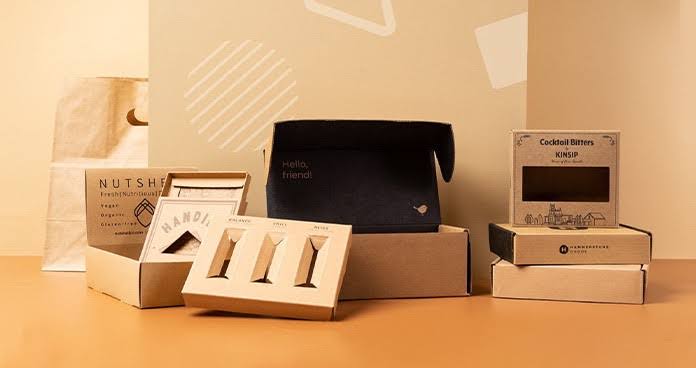
In today’s environmentally conscious world, businesses are increasingly adopting sustainable practices not only as a moral imperative but also as a strategic advantage.
This shift is particularly evident in the realm of custom packaging, where innovative solutions are emerging to minimize environmental impact while meeting consumer expectations.
This article explores the growing importance of sustainable practices in custom packaging, their impact on brand reputation, consumer perception, and the bottom line.
Understanding Sustainable Packaging
Sustainable packaging aims to reduce the environmental footprint throughout its lifecycle, from sourcing materials to disposal. Think recycling custom tea labels on pouches and using these on permanent tin packaging in the consumer’s home.
Key Principles
Material Selection
- Recyclable Materials: Opting for materials that can be easily recycled and reused.
- Biodegradability: Choosing materials that break down naturally without harming the environment.
- Renewable Resources: Using materials derived from renewable sources to minimize depletion of natural resources.
Eco-Friendly Design
- Minimalism: Designing packaging with minimal material usage to reduce waste.
- Lightweight: Using lightweight materials to decrease transportation emissions and energy consumption.
- Space Efficiency: Designing packaging that optimizes space during shipping and storage. For example, no more bulky secondary packaging for cannabis medicinals; rather, simple childproof pouches with a QR code on well-designed cannabis labels will do the trick.
Benefits of Sustainable Custom Packaging
Adopting sustainable packaging practices offers numerous advantages for businesses, consumers, and the environment.
Environmental Benefits
Reduction in Carbon Footprint
- Energy Efficiency: Lower energy consumption during production and transportation.
- Emission Reduction: Decreased greenhouse gas emissions throughout the packaging lifecycle.
- Waste Reduction: Minimized waste generation through recyclable and compostable materials.
Economic Benefits
Cost Savings and Efficiency
- Material Efficiency: Optimizing material usage leads to cost savings in production.
- Logistics Efficiency: Lightweight packaging reduces shipping costs and improves supply chain efficiency. For example, in candle packaging, optimized cardboard boxes offer superior protection while minimizing weight compared to heavier alternatives. This translates to lower shipping expenses, faster delivery times, and reduced environmental impact.
- Regulatory Compliance: Meeting regulatory standards on environmental responsibility can prevent fines and penalties.
Consumer Appeal
Enhancing Brand Reputation
- Consumer Preference: Increasing demand for eco-friendly products and packaging.
- Brand Loyalty: Building trust and loyalty among environmentally conscious consumers.
- Market Differentiation: Standing out in a competitive market with sustainable packaging solutions.
Implementing Sustainable Practices in Custom Packaging
Businesses can adopt various strategies to integrate sustainability into their custom packaging processes effectively.
Lifecycle Assessment
Conducting a lifecycle assessment helps identify areas where sustainability improvements can be made.
Assessment Steps
- Material Sourcing: Evaluate suppliers based on sustainability criteria for raw materials.
- Production Processes: Optimize manufacturing processes to reduce energy and water consumption.
- End-of-Life Options: Plan for packaging disposal through recycling or composting.
Collaboration with Suppliers
Partnering with suppliers committed to sustainability enhances the overall packaging eco-system.
Supplier Criteria
- Environmental Certifications: Choose suppliers certified for sustainable practices and materials.
- Innovation Partnerships: Collaborate with suppliers to develop eco-friendly packaging solutions.
- Transparency: Ensure transparency in the supply chain regarding sourcing and environmental impact.
Consumer Education and Engagement
Educating consumers about the benefits of sustainable packaging fosters awareness and loyalty.
Communication Strategies
- Product Labeling: Clearly label packaging with eco-friendly symbols and certifications.
- Educational Campaigns: Share information about sustainable practices through marketing and social media.
- Feedback Channels: Gather consumer feedback to improve sustainability initiatives and packaging design.
Try Ons: Successful Implementation of Sustainable Custom Packaging
Example 1: Organic Skincare Brand
An organic skincare brand implemented sustainable packaging for its product line, focusing on recyclable and biodegradable materials.
Strategies and Results
- Material Choice: Switched to recyclable glass bottles and biodegradable paper packaging for their soaps, and better suited plastic film labels for squeeze bottles on their shampoo packaging to deal with throwaway labels.
- Consumer Outreach: Educated customers on the benefits of sustainable packaging through online campaigns.
- Market Response: Gained traction among eco-conscious consumers, leading to increased sales and brand loyalty.
Example 2: Food Delivery Service
A food delivery service prioritized sustainable packaging solutions to reduce environmental impact.
Strategies and Results
- Packaging Redesign: Switched from single-use plastics to compostable containers and utensils.
- Customer Engagement: Encouraged customers to return packaging for recycling or composting.
- Operational Efficiency: Streamlined logistics and reduced waste management costs.
Future Trends in Sustainable Custom Packaging
The future of sustainable packaging is driven by innovation, technology, and evolving consumer expectations.
Innovations in Materials
Advancements in eco-friendly materials will continue to drive sustainable packaging solutions.
Bio-based Plastics
- Development: Research and development of bio-based plastics derived from renewable resources.
- Performance: Improving durability and functionality to meet packaging requirements.
Circular Economy Initiatives
Adoption of circular economy principles to minimize waste and maximize resource efficiency.
Closed-loop Systems
- Recycling Programs: Implementing closed-loop recycling systems for packaging materials.
- Extended Producer Responsibility: Taking responsibility for the entire lifecycle of packaging products.
Smart Packaging Solutions
Integration of smart technologies for enhanced sustainability and consumer interaction.
IoT and Trackability
- Traceability: Tracking packaging materials and products throughout their lifecycle.
- Consumer Engagement: Interactive packaging features that educate consumers on sustainability.
Conclusion
Sustainable practices in custom packaging are no longer just a trend but a necessity driven by environmental concerns and consumer demand.
Businesses that embrace sustainable packaging not only contribute positively to the environment but also enhance their brand reputation, attract environmentally conscious consumers, and achieve long-term economic benefits.
By adopting eco-friendly materials, optimizing packaging design, and engaging consumers through education, businesses can pave the way for a sustainable future while thriving in a competitive market landscape.
Embrace the power of sustainable custom packaging to lead the way toward a greener, more responsible future for packaging solutions.


