The Evolution of Bathroom Furniture: A Historical Look at Vanity Units

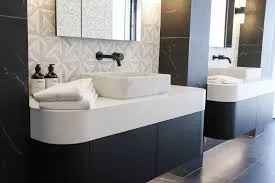
Bathroom furniture has transformed remarkably over the centuries, mirroring cultural shifts, technological advancements, and changing design trends. Among these fixtures, the vanity has a fascinating history, evolving from purely functional fixtures to a central element of modern bathrooms. But how did this transformation come about, and what factors shaped its journey?
The Origins of Bathroom Furniture
In ancient civilisations, bathrooms were more about function than form, and vanity units or similar furniture were virtually nonexistent in these spaces. The Greeks and Romans used simple stone or wooden basins for washing, with no trace of the intricate bathroom fixtures that people see today. Their focus was on utility rather than aesthetics. However, even in these early days, personal grooming began to gain importance, hinting at bathroom furniture’s role in the future.
By the mediaeval era, the emphasis on personal hygiene had diminished in much of Europe, and washing areas were barebones. The Renaissance period, however, marked a shift. Elaborate wooden washstands began appearing in the homes of the wealthy. These pieces, while rudimentary compared to today’s designs, were an early precursor to the modern vanity.
The 18th and 19th Centuries: A Step Toward Modernity
The Industrial Revolution brought about dramatic changes in how homes were designed and furnished. By the 18th century, portable washstands featuring porcelain or metal basins became common in affluent households. These designs prioritised convenience while maintaining a touch of elegance.
The 19th century saw a significant shift with the advent of indoor plumbing. This innovation redefined the concept of a bathroom, turning it into a private space dedicated to hygiene and relaxation. Fixtures makers responded by integrating sinks into cabinetry, creating the first recognisable bathroom furnishings. Victorian designs were often opulent, featuring carved wood, marble tops, and ornate details. Functionality began to merge with style, paving the way for further innovation.
The 20th Century: Simplicity Meets Function
The 20th century marked a major shift in bathroom design. As homes became more standardised, bathroom furniture followed suit. Bulky wood and marble pieces were replaced by sleeker materials like enamel and chrome. Mass production also made these pieces more affordable and accessible to everyday households.
By the mid-20th century, minimalism and modernism shaped bathroom fixture trends. Clean lines, bold shapes, and neutral colours became the norm. Built-in cabinetry gained popularity, offering a practical way to maximise storage while maintaining a tidy aesthetic. By the century’s end, these designs had become essential in most bathrooms.
Modern Bathroom Furniture: The New Role of the Vanity
Today, the vanity is more than just functional; it’s a statement piece, a storage solution, and sometimes a technological marvel. As bathrooms become spaces of comfort, vanity designs increasingly reflect this shift. Modern trends include floating vanities that save space and double-sink options for shared bathrooms.
Durable materials like quartz and ceramic fixtures are popular, while wood and stone add natural elegance. Technology has also entered the mix, with features like integrated lighting, smart storage, and touchless faucets. Sustainability is another driving force in modern design. Many homeowners are opting for eco-friendly materials such as bamboo or recycled wood. These sustainable choices not only benefit the environment but also add a unique character to the bathroom.
Designing Your Ideal Bathroom Space
When choosing a vanity storage unit from a seller site, it’s important to consider the needs of your space and household. For smaller bathrooms, wall-mounted designs can create a sense of openness. Larger spaces can accommodate more elaborate pieces, such as freestanding vanities or those with double sinks.
Storage is another factor to consider. A well-designed unit from a reputed bathroom fixture supplier can house toiletries, towels, and cleaning supplies, reducing bathroom clutter. The variety of options available today means there’s something for every aesthetic and practical requirement.
When searching for the ideal bathroom furniture at multiple online seller sites, exploring a variety of collections can provide valuable inspiration. With diverse styles and materials available, curated selections allow homeowners to find the perfect match for their bathroom design, catering to both practical needs and personal tastes.
What’s Next for Bathroom Furniture?
The future of bathroom furniture is full of possibilities. As smart technology evolves, vanities may incorporate features like built-in screens or voice-activated lighting systems. Customisation is also expected to grow, allowing homeowners to design unique, personalised pieces that reflect their tastes and lifestyles.
Sustainability will likely remain a key focus. Many bathroom fixture manufacturers are exploring innovative ways to produce fixtures that minimise environmental impact. From upcycled materials to energy-efficient manufacturing processes, the bathroom of tomorrow may be as eco-friendly as it is stylish.
The journey of vanity units from simple washstands to multifunctional centrepieces is a testament to the evolution of design and human ingenuity. Over time, they have become symbols of the balance between form and function. Whether you prefer a sleek, modern design or a more traditional aesthetic, these essential pieces of bathroom furniture from renowned online sellers continue to adapt to your changing needs while remaining timeless in their appeal.