Stepping Forward with Confidence: Embracing Assistive Walking Devices for Enhanced Mobility

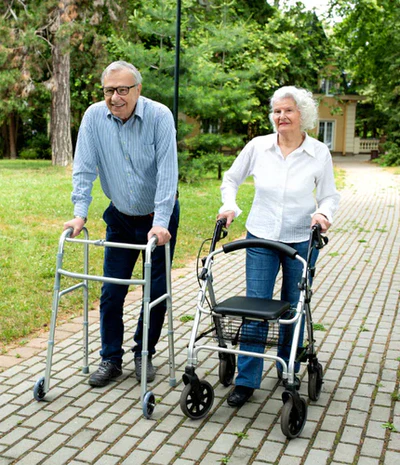
Mobility is a critical aspect of achieving quality of life, especially for individuals who face challenges in moving independently. Challenges to mobility can arise from a variety of situations, including aging, injuries, or chronic health conditions. In today’s world, the importance of maintaining autonomy and dignity in motion has led to an increased focus on the role of assistive walking devices in healthcare and personal well-being.
The Role of Assistive Walking Devices
Assistive walking devices are designed to provide support and improve stability for those who experience difficulty walking unaided. These devices range from simple canes and crutches to more complex walkers and rollators. They are meticulously engineered to assist users in navigating their environments safely and efficiently, enabling them to carry out their daily activities with greater ease and less dependence on others.
The use of such devices is instrumental in reducing the risk of falls and injuries, which are significant concerns among the elderly and individuals with mobility impairments. Moreover, these devices can be invaluable for those recovering from surgery or injury, helping them to gradually regain strength and mobility during their rehabilitation process.
Advancements in Mobility Solutions
Advancements in technology and ergonomic design have led to significant improvements in the functionality and comfort of assistive walking devices. Modern devices are often adjustable and feature lightweight materials, making them easier to use and transport. Furthermore, enhanced aesthetics have removed much of the stigma previously associated with their use, encouraging a broader acceptance and adoption.
Adapting to these devices involves a balance of functionality and individual preference. It requires an understanding that mobility aids are not a sign of weakness but rather a means to sustain independence and an active lifestyle. This change in perception is vital in ensuring that individuals feel confident and dignified while using such aids.
Choosing the Right Walking Aid
When selecting an assistive walking device, it’s important to consider several factors, including the level of support required, the user’s physical capabilities, and the intended use. A healthcare professional can provide guidance in choosing the most suitable device, taking into account the user’s specific needs and environment.
For example, someone with good upper body strength but poor balance may benefit from a quad cane, while another with reduced endurance might find a walker with a built-in seat more appropriate. The adjustability of these aids allows for a custom fit, which is critical for safety and comfort.
Accessibility of Assistive Devices
Access to high-quality assistive walking devices is vital for anyone who needs them. In Australia, numerous suppliers provide an array of mobility solutions to meet the diverse needs of the population. Nonetheless, it’s essential to select a reputable supplier that offers quality, durability, and after-sales support.
The dominance of medical supplies in Australia within the healthcare market has made it possible for individuals and healthcare facilities to procure walking aids easily. From online stores to brick-and-mortar outlets, Australians have access to a wide range of devices designed to enhance mobility.
Ensuring Proper Use
Proper usage and maintenance of assistive walking devices are crucial for their effectiveness. Users must be educated on the correct way to use these aids to prevent injury and to ensure that they serve their intended purpose. Regular maintenance checks can identify wear and tear that might compromise safety. Adjustments and repairs should be carried out when necessary to maintain optimal function.
In addition to walking aids, it is important to consider other medical supplies that can support the health and safety of individuals with mobility challenges. For example, disposable gloves are essential for maintaining hygiene, especially when handling assistive devices, and can prevent the transmission of infections.
Creating a Supportive Environment
For those who rely on walking aids, the layout of their living space can significantly impact their mobility. Removing obstacles, ensuring sufficient lighting and installing grab bars can make a substantial difference in creating a safe and supportive environment. Accessibility measures can empower individuals to move around with fewer restrictions and greater confidence.
It’s also important to recognize the psychological aspects of adjusting to an assistive device. Support from family, friends, and professionals can aid in the transition and promote a positive outlook. Encouragement and understanding can mitigate concerns about dependence and help individuals to embrace their walking aids as tools for freedom.
Conclusion
In conclusion, assistive walking devices are an integral component of mobility solutions that enable individuals to navigate daily life with greater ease and independence. Ensuring accessibility to quality walking aids, fostering proper use, and creating supportive environments are critical steps towards improving the lives of those with mobility challenges. By stepping forward with confidence and embracing these devices, individuals can experience enhanced mobility and the continued ability to participate actively in their communities.
The emphasis on comprehensive medical supplies in Australia further supports the health sector’s commitment to providing individuals with the resources they need to maintain their independence. As society continues to advance, it remains paramount to focus on the means of enabling mobility, thus ensuring that every step taken is a step forward in the journey to better well-being.