
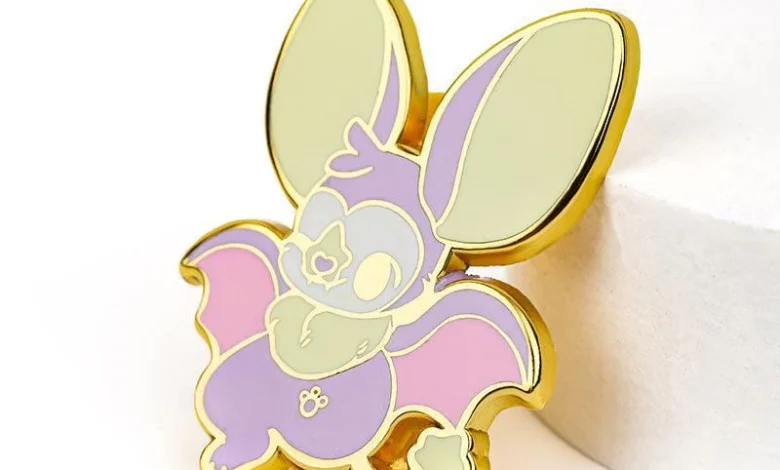
Enamel pins have become one of the most popular forms of custom merchandise for artists, brands, and collectors. Whether you’re creating promotional items or launching your own merch line, understanding the difference between soft and hard enamel is essential. These two styles may look similar at first glance, but they differ in texture, production process, durability, and overall appearance.
Choosing the right type can significantly impact how your custom enamel pins look and feel, as well as how your audience perceives your brand.
What Are Enamel Pins Made Of?
Before comparing soft and hard enamel, it helps to understand the basic structure of enamel pins. They are made from a metal base (such as iron, copper, or zinc alloy) and filled with colored enamel paint. The design is stamped into the metal, creating recessed areas that hold the enamel colors.
The key difference between soft and hard enamel lies in how the enamel is filled and finished.
Soft Enamel Pins Explained
Soft enamel pins are the most common and beginner-friendly type of enamel pin. They are known for their textured surface and vibrant appearance.
How Soft Enamel Pins Are Made
In soft enamel production, the colored enamel is filled into the recessed metal areas but not fully leveled. This leaves the metal outlines slightly raised above the enamel, creating a textured feel.
After coloring, the pins are baked and coated for durability but are not polished flat.
Key Features of Soft Enamel Pins
- Textured surface with raised metal lines
- Bright, bold color appearance
- More detailed and layered designs possible
- Slightly more affordable than hard enamel
- Popular for artistic and creative designs
Soft enamel pins are ideal for bold illustrations, cartoon-style designs, and creative branding where texture enhances visual appeal.
Hard Enamel Pins Explained
Hard enamel pins are considered the premium version of enamel pins. They have a smooth, polished surface and a more refined look.
How Hard Enamel Pins Are Made
With hard enamel, the colored enamel is filled in layers and then polished down until it is completely level with the metal lines. This creates a smooth, glass-like surface.
The pin is then heated and polished multiple times to achieve a glossy finish.
Key Features of Hard Enamel Pins
- Smooth, flat surface with no texture
- Polished and high-end appearance
- Extremely durable and scratch-resistant
- Slightly higher production cost
- Professional and elegant finish
Hard enamel pins are often used for corporate branding, luxury merchandise, and minimalistic designs.
Soft vs Hard Enamel: Key Differences
Understanding the differences will help you choose the right style for your project.
1. Texture and Finish
Soft enamel has a textured surface with raised metal lines, while hard enamel is completely smooth. If you like a tactile feel, soft enamel is ideal. If you prefer a polished look, hard enamel is better.
2. Appearance
Soft enamel pins tend to look more vibrant and detailed because the recessed areas create depth. Hard enamel pins have a sleek, premium finish that looks more refined and professional.
3. Durability
Hard enamel pins are more resistant to scratches and wear because of their smooth surface. Soft enamel pins are still durable but may show wear slightly faster over time.
4. Cost
Soft enamel pins are generally more affordable to produce, making them great for beginners or bulk orders. Hard enamel pins cost more due to the extra polishing and production steps.
5. Design Style
Soft enamel works well for:
- Cartoon characters
- Bold illustrations
- Creative branding
- Colorful artwork
Hard enamel works well for:
- Corporate logos
- Minimalist designs
- Premium merchandise
- Elegant branding
Which One Should You Choose?
The choice between soft and hard enamel depends on your goals, budget, and design style.
If you’re just starting out or want to experiment with custom enamel pins, soft enamel is a great option. It allows for more flexibility and lower production costs.
If you want a high-end product that feels premium and long-lasting, hard enamel is the better choice.
Many creators even use both types in their collections to offer variety and appeal to different audiences.
Best Use Cases for Each Type
Soft Enamel Pins Are Best For:
- Indie artists and creators
- Fan merchandise
- Event giveaways
- Limited budget projects
- Bold and colorful designs
Hard Enamel Pins Are Best For:
- Corporate branding
- Luxury merchandise lines
- Professional giveaways
- Collector’s edition pins
- Minimalist design aesthetics
How Both Types Affect Branding
Your choice of enamel style can influence how people perceive your brand. Soft enamel gives a fun, creative, and approachable feel. Hard enamel communicates professionalism, quality, and exclusivity.
When creating custom enamel pins, aligning the pin style with your brand identity is crucial for building consistency and recognition.
Final Thoughts
Both soft and hard enamel pins offer unique advantages, and neither is objectively better than the other. The right choice depends on your design goals, budget, and target audience.
Soft enamel is vibrant, textured, and budget-friendly, making it perfect for creative expression. Hard enamel is smooth, polished, and premium, making it ideal for professional branding.
By understanding these differences, you can confidently choose the best option for your custom enamel pins and create products that truly stand out in the market.


