
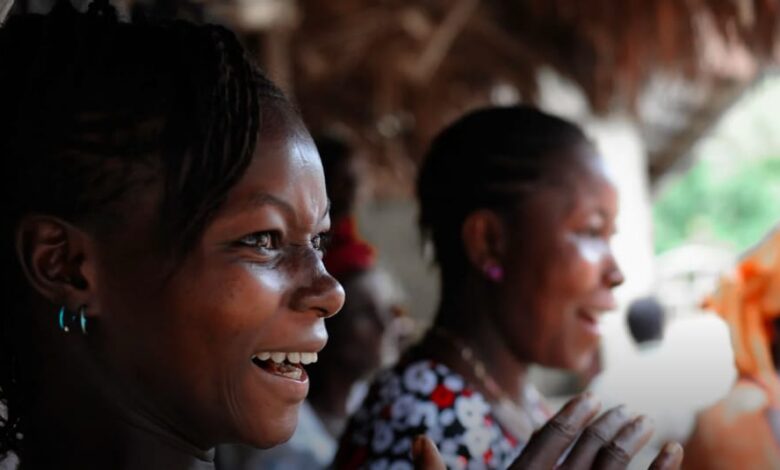
Sierra Leone’s People are central to its allure, with the nation’s rich ethnic diversity playing a significant role in shaping its vibrant culture. Home to around 16 distinct ethnic groups, each with unique traditions, languages, and cultural practices, Sierra Leone presents a fascinating tapestry of human heritage. Let’s explore five of the main ethnic groups, highlighting their contributions to the nation’s history and cultural richness.
1. The Temne
The Temne people, one of the largest ethnic groups in Sierra Leone, predominantly inhabit the northern and western regions of the country. Renowned for their rich agricultural heritage, they cultivate essential crops like rice, cassava, and groundnuts. Temne culture is deeply intertwined with secret societies, which play a crucial role in organizing initiation ceremonies and maintaining social order within the community.
2. The Mende
Alongside the Temne, the Mende are another major ethnic group, primarily residing in the southern and eastern parts of Sierra Leone. The Mende are skilled farmers, with rice being their staple crop. Their cultural life revolves around secret societies such as “Poro” for men and “Sande” for women. These societies are instrumental in conducting initiation rites and educating youth on cultural heritage, social responsibilities, and moral values.
3. The Fula
The Fula are a semi-nomadic ethnic group spread across West Africa. In Sierra Leone, they are mainly found in the northern region and are renowned for their roles as cattle herders and traders. The Fula are easily recognizable by their distinctive traditional attire, including the iconic cone-shaped “Fula” hats made from plant fibers and their intricately woven textiles.
4. The Krio
Descendants of freed African slaves resettled in Sierra Leone during the late 18th and early 19th centuries, the Krio people primarily live in and around Freetown. Although they make up only about 1.3% of the population, they have significantly influenced the development of modern Sierra Leone. The Krio language, a creole derived from English and various African languages, serves as a lingua franca alongside English, facilitating communication among different ethnic groups.
5. The Sherbro
The Sherbro people predominantly inhabit the coastal regions of Sierra Leone, including Bonthe Island, also known as Sherbro Island. Traditionally fishermen and coastal traders, the Sherbro have extensively intermarried with Krio and Mende communities. This cultural integration has led to a decline in the use of the Sherbro language, which is at risk of disappearing within a few generations.
The ethnic diversity of the people of Sierra Leone is a testament to its rich cultural heritage, with each group contributing to the nation’s unique identity. Exploring these diverse communities offers a deeper understanding of the country’s vibrant history and cultural landscape.


