Raccoon Removal from House: Effective Strategies for Safeguarding Your Home


Raccoons can be a significant nuisance when they enter your home. They often enter through small openings and can cause damage, mess, and potential health risks. The most effective way to handle raccoon removal from your house is to contact a professional who can safely and humanely relocate them.
Ignoring the signs of a raccoon infestation can lead to larger problems. You may notice noises in your attic, overturned trash cans, or even raccoon tracks around your property. Understanding these animals’ behaviors can help you take the necessary steps to prevent their return.
Taking action promptly protects your home and can safeguard your family from potential dangers. With the right approach, you can ensure your space remains raccoon-free.
Understanding Raccoon Behavior and Risks
Raccoons are intelligent and adaptable creatures that can pose significant risks to homes. Familiarizing yourself with their habits and potential hazards can help in effective prevention and removal.
Raccoon Habitation and Entry Points
Raccoons thrive in urban environments due to abundant food and shelter options. They often seek refuge in attics, basements, and garages. Common entry points include:
- Open windows: Easily accessible for raccoons seeking warmth.
- Holes in the roof or walls: They can squeeze through surprisingly small spaces.
- Chimneys and vents: Unscreened openings can serve as ideal entryways.
To prevent raccoons from entering your home, secure these access points with sturdy materials. Regularly inspect your property for any signs of entry, such as droppings or scratches near entry points. Raccoon prevention in the home should involve removing attractants like pet food, unsecured garbage, and accessible compost piles.
Health and Safety Concerns
Raccoons can transmit several diseases, making their presence a serious concern. Common issues include:
- Rabies: A potentially fatal viral infection that affects the central nervous system.
- Leptospirosis: This a bacterial disease contracted through contact with raccoon urine.
- Parasites: Raccoons carry parasites like roundworms, which can pose health risks.
Protecting your home from raccoons is critical for maintaining a safe environment. Avoid direct contact with any raccoons you encounter. If you suspect an infestation, consider contacting a wildlife removal professional to manage the situation effectively.
Practical Removal and Prevention Strategies
Addressing raccoon issues requires effective and humane techniques that ensure your and the animals’ safety. Understanding the methods available can help you remove raccoons efficiently from your home while preventing future occurrences.
Humane Removal Techniques
To remove raccoons indoors, consider using live traps. These traps allow for safe capture without harm. Place traps where raccoons have been spotted, using bait like fruits or cat food to attract them.
Once captured, contact local wildlife authorities to ensure the animals are relocated to appropriate habitats. Refrain from attempting to release them too close to your home, as they will likely return.
Additionally, preventing access to your property can stop future intrusions—seal entry points such as roof gaps, vents, and crawl spaces. Installing raccoon-proof trash cans and securing compost piles can also deter these animals from seeking food sources at your home.
Securing Your Home Against Future Intrusion
To prevent raccoons from entering your home again, start by thoroughly inspecting it. Pay close attention to gaps, windows, and doors.
Here are some effective strategies:
- Seal Entry Points: Close any holes or gaps larger than a quarter. Use sturdy materials like metal or wire mesh.
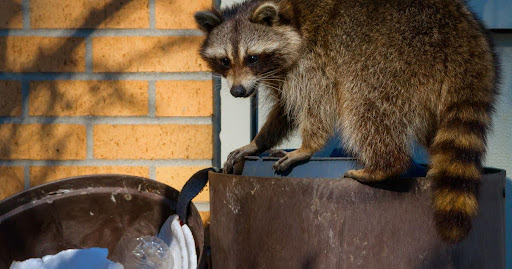
- Secure Trash Cans: Keep garbage in closed containers. Raccoons are attracted to easy food sources.
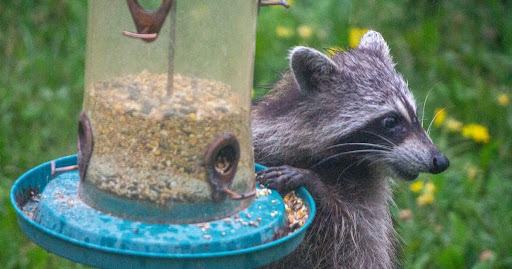
- Clean Up Outdoor Areas: Remove pet food and fallen fruits from gardens. This minimizes the appeal for raccoons.
Consider adding motion-activated lights and cameras. These can deter raccoons and provide peace of mind.
Regular Maintenance is crucial. Inspect your roof and attic for signs of entry and repair damage as needed.
For persistent issues, it is advisable to contact professionals like Critter Stop. They have a fantastic reputation and customer reviews online for their high-quality work and great customer service. A free inspection from Critter Stop can help you identify potential vulnerabilities in your property.
Taking these steps will significantly reduce the likelihood of future intrusions by raccoons.
–