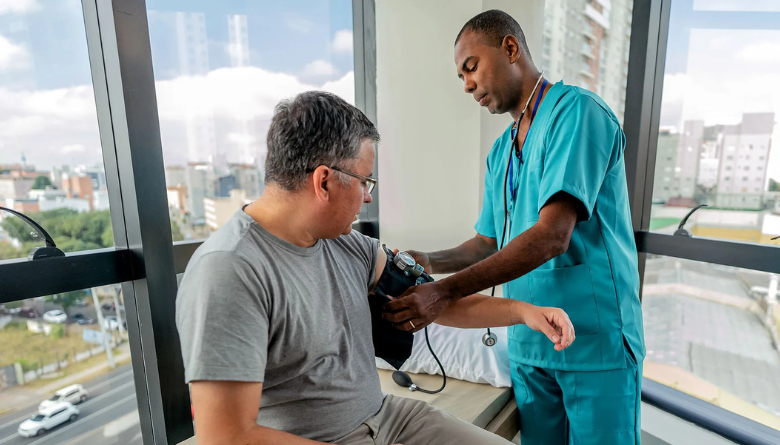
Prostate cancer is one of the most frequently diagnosed malignancies in men worldwide. Despite its prevalence, it is also one of the most manageable cancers when identified early and treated appropriately. Advances in imaging, surgical robotics, and targeted therapies have transformed outcomes over the past two decades.
At Liv Hospital, prostate oncology is approached with precision diagnostics and individualized treatment planning, ensuring that each patient receives care tailored to the biological behavior of their tumor.
Understanding the Prostate and Cancer Development
The prostate gland is a walnut-sized organ located just below the bladder and in front of the rectum. It surrounds the urethra, the tube that carries urine out of the body. Because of this anatomical position, many early symptoms relate to urinary changes.
Prostate cancer typically develops when glandular cells undergo genetic mutations that disrupt normal growth regulation. Over time, abnormal cells multiply and form a tumor. In many cases, the disease grows slowly and may remain confined to the prostate for years. However, some forms are aggressive and can spread to lymph nodes or bones if left untreated.
Risk Factors and Screening Importance
Age is the strongest risk factor. The likelihood of prostate cancer increases significantly after age 50. Other contributing factors include:
- Family history of prostate cancer
- Genetic mutations (such as BRCA gene alterations)
- Ethnic background
- Hormonal influences
Screening plays a crucial role in early detection. The Prostate-Specific Antigen (PSA) blood test and digital rectal examination (DRE) are primary tools used to identify potential abnormalities. However, elevated PSA levels do not automatically indicate cancer, as benign conditions can also raise PSA.
Early diagnosis dramatically improves treatment success rates.
Staging: Determining the Extent of Disease
Once diagnosed, staging determines how far the cancer has progressed. The main stages include:
Localized Disease
Cancer is confined within the prostate gland. This stage offers the highest chance of cure.
Locally Advanced Disease
The tumor has extended beyond the prostate capsule into nearby tissues.
Metastatic Disease
Cancer has spread to distant organs, most commonly bones and lymph nodes.
A comprehensive explanation of classification, staging systems, and therapeutic pathways can be explored in Prostate Cancer, where diagnostic precision and advanced treatment strategies are detailed extensively.
Modern Treatment Strategies
Treatment decisions depend on tumor aggressiveness, stage, patient age, and overall health. The primary options include:
Active Surveillance
For low-risk, slow-growing tumors, careful monitoring may be recommended instead of immediate intervention. This approach avoids unnecessary side effects.
Robotic-Assisted Radical Prostatectomy
Minimally invasive robotic surgery allows surgeons to remove the prostate gland with enhanced precision. Benefits often include reduced blood loss, shorter hospital stays, and faster recovery.
Radiation Therapy
External beam radiation or brachytherapy (internal radiation seeds) may be used as primary treatment or combined with hormone therapy.
Hormone Therapy
Prostate cancer growth is often fueled by testosterone. Hormonal treatment reduces or blocks androgen production to slow tumor progression.
Chemotherapy and Targeted Therapy
Used primarily in advanced stages, these therapies address cancer cells that have spread beyond the prostate.
The Role of Multidisciplinary Care
Prostate cancer management involves collaboration among:
- Urologic oncologists
- Radiation oncologists
- Medical oncologists
- Radiologists
- Pathologists
This team-based approach ensures that each treatment plan balances cancer control with quality-of-life preservation.
Long-Term Monitoring and Survivorship
After treatment, patients require regular follow-up through PSA monitoring and clinical evaluation. Surveillance helps detect recurrence early and manage potential long-term effects such as urinary or sexual function changes.
Survivorship also includes attention to lifestyle factors that support overall well-being. Many patients incorporate broader health practices alongside medical follow-up, sometimes exploring wellness resources such as live and feel for guidance on balanced living after cancer treatment.