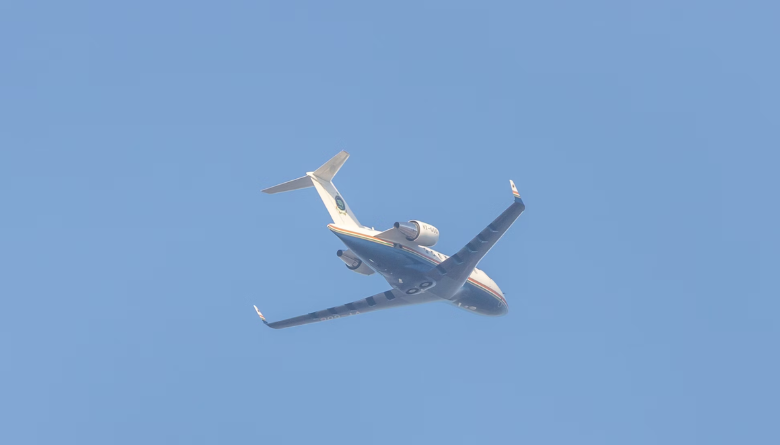
Owning a private jet – it’s a dream for many. The luxury, convenience, and freedom to fly whenever and wherever you want, on your terms. But let’s be real for a second – the purchase price is just the start of your journey into private aviation. Have you considered the ongoing costs? Don’t worry, we’re not here to scare you off! In fact, understanding the real costs will help you appreciate just how worthwhile it is. So, what does it take to keep a jet in the air and running smoothly?
Maintenance: Keeping Your Jet in Tip-Top Shape
Just like any luxury vehicle, private jets need regular care and attention. Unlike your car, though, jet maintenance is a whole different ballgame. Aircraft need to be in pristine condition to fly safely, and there are strict regulations in place to ensure that.
Regular inspections, servicing, and replacing parts can add up. On top of that, you’ll need to budget for annual inspections and maintenance checks, which can vary depending on the type of aircraft you own.
What about the fluids? One that comes up often is Skydrol 500B-4, a hydraulic fluid essential for aircraft. It’s one of those costs that can be easily overlooked but is critical for keeping your jet running smoothly. Keeping your jet topped up with the right fluids is just one of many small but important expenses.
Fuel Costs: Jet Fuel Isn’t Cheap
You’ve probably guessed that flying a jet burns through fuel – fast. The cost of jet fuel fluctuates, but on average, you’re looking at several thousand dollars per hour of flight. It varies depending on the size and efficiency of your jet, but you’ll want to budget for this if you’re flying regularly.
Still, with all that fuel, think of the freedom you’ll enjoy. No more long lines at commercial airports or adjusting to someone else’s schedule. You’re on your own time, and that’s priceless, right?
Insurance: Protecting Your Investment
Insurance is another necessary cost, and one you definitely don’t want to skip. Like with any big investment, you need coverage to protect yourself and your aircraft. The level of coverage depends on how often you’re flying and where, but it can range from tens of thousands to hundreds of thousands per year.
The good news? With the right policy, you’ll have peace of mind knowing your jet is covered if anything happens. Plus, having top-notch insurance is just part of being a responsible jet owner.
Crew Salaries: Pilots, Staff, and More
Unless you’re a licensed pilot yourself, you’ll need to hire a flight crew. Pilots, co-pilots, and cabin staff are essential for most flights. And you’ll want the best, right? Hiring qualified professionals comes at a cost, but it’s worth every penny to know your aircraft is in the safest hands.
Pilots and crew members typically have annual salaries, and depending on how often you fly, these costs can add up quickly. But here’s the benefit: You’ll have a dedicated team ready to cater to your every need whenever you decide to take off.
Hangar Fees: Where Will You Park?
When you’re not flying, your jet needs a home. Hangar fees can vary significantly based on location and the size of your aircraft, but you’ll be paying for this storage year-round. Think of it like renting a high-end garage for your car, except on a much larger scale.
While this is another ongoing cost, keeping your jet in a secure and climate-controlled environment ensures it’s always ready for your next trip. No worries about weather damage or wear and tear from sitting out in the elements.
Depreciation: The Hidden Cost
Here’s something you might not think about right away: depreciation. Like cars, jets lose value over time. However, some models hold their value better than others, and you can mitigate depreciation by keeping your jet in top condition and upgrading it when needed.
Even though depreciation is a reality of private jet ownership, it’s not necessarily a dealbreaker. Owning a jet is about the lifestyle, the freedom, and the experience. You might not be making a financial investment to sell later at a profit, but you’re investing in the luxury and convenience that come with private travel.
Additional Costs to Consider
Beyond the main expenses we’ve covered, there are other costs that come with owning a jet. Here’s a quick breakdown of some additional ones to keep in mind:
- Landing fees – Airports often charge you for the privilege of landing your jet. These fees can vary, especially for international travel.
- Navigation fees – Depending on where you’re flying, you might also encounter fees for using air traffic control services.
- Catering – If you want gourmet meals or refreshments on board, you’ll need to budget for catering services.
- Upgrades and customisation – Want that sleek interior or high-end entertainment system? Customising your jet to suit your personal tastes can add a little more to the overall cost.
Is It Worth It?
When you add up all these costs, private jet ownership can seem like quite the investment. But here’s the thing – for many, it’s completely worth it. The freedom, flexibility, and sheer convenience of owning your own aircraft can’t be understated.
If you value your time and want to travel in ultimate comfort, then owning a private jet is a game-changer. Yes, the costs are real, but so are the rewards. You get to avoid the hassle of commercial travel, set your own schedule, and fly in style wherever you want.