Modern Electrical Solutions: Enhancing Safety and Efficiency in South West London

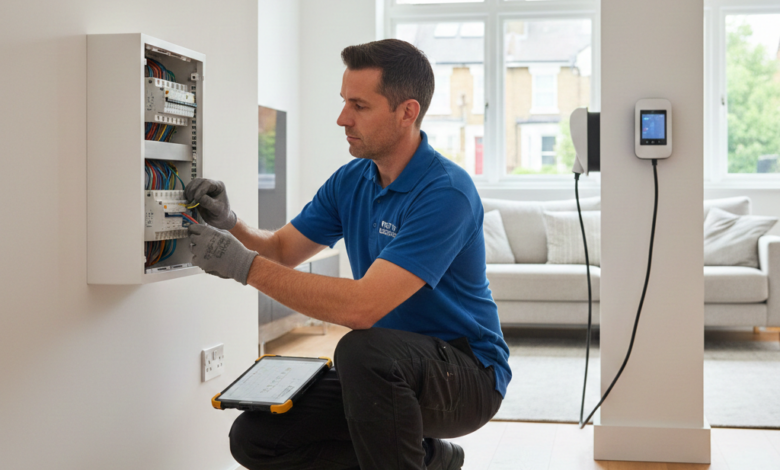
Maintaining a home in a vibrant area like South West London involves a unique blend of preserving historical charm and integrating 21st-century technology. For many homeowners, the electrical system is the silent engine of the household—rarely seen but essential for every aspect of modern life. From the kitchen appliances that start our mornings to the high-speed data cables that power our home offices, a robust electrical infrastructure is non-negotiable.
However, as our reliance on technology grows, so does the strain on older wiring. Whether you are refurbishing a Victorian terrace or maintaining a contemporary apartment, understanding the health of your electrical system is the first step toward a safer, smarter home. When technical issues arise, partnering with a qualified Putney electrician ensures that your property meets the highest safety standards while embracing modern energy innovations.
The Evolution of Domestic Electrical Standards
Electrical regulations in the UK are constantly evolving to keep pace with new technologies and safety data. What was considered “standard” twenty years ago may now be outdated or even hazardous. For instance, the introduction of the 18th Edition Wiring Regulations brought significant changes regarding surge protection and fire safety.
One of the most critical components of a modern home is the Consumer Unit (commonly known as the fuse box). Modern units are now required to have RCD (Residual Current Device) protection. An RCD is a life-saving device designed to prevent you from getting a fatal electric shock if you touch something live, such as a bare wire. If your home still utilizes an old-style wooden-backed fuse board, an upgrade isn’t just a recommendation—it’s a vital safety necessity.
Smart Home Integration and the “Green” Transition
In 2026, the shift toward sustainable living has accelerated. Homeowners are no longer just looking for repairs; they are looking for “future-proofing.” This transition typically involves three key areas:
- Electric Vehicle (EV) Charging: With the phase-out of petrol vehicles, installing a dedicated home charging point has become a top priority. These chargers require a dedicated circuit and a professional load-balancing assessment to ensure they don’t overload your home’s main supply.
- Smart Lighting Systems: Beyond mere convenience, smart lighting allows for automated schedules and dimming capabilities that significantly reduce energy consumption.
- Home Battery Storage: Many residents are now pairing solar panels with battery storage systems, allowing them to store energy during the day and use it during peak evening hours, drastically lowering utility bills.
Identifying Hidden Hazards
Electrical faults are often invisible until they manifest as a failure or, worse, a fire. Awareness is your best defense. Look out for these common “red flags”:
- Discoloured Outlets: If you notice brown or black scorch marks around your plug sockets, it indicates internal sparking or overheating.
- Persistent Burning Smells: An acrid, “fishy” smell near an outlet or switch is often the scent of burning plastic or insulation.
- Humming or Buzzing: Electricity should be silent. Any audible noise from your walls or consumer unit suggests a loose connection or a failing component.
The Value of Professional Certification
In the UK, electrical work is governed by Part P of the Building Regulations. This means that most significant electrical work must be notified to the local building control department. By hiring a certified professional, you receive a “Compliance Certificate,” which is an essential document when you eventually decide to sell or rent out your property.
Professional electricians don’t just fix problems; they provide comprehensive Electrical Installation Condition Reports (EICR). This “health check” for your home identifies potential risks before they become expensive emergencies.
Final Thoughts
Your home’s electrical system is a complex network that requires expert oversight. By staying proactive with maintenance and embracing energy-efficient upgrades, you can ensure your property remains a safe, comfortable, and modern haven.


