Identify Impersonation Attacks | Face Spoof Detection for Secure Operations

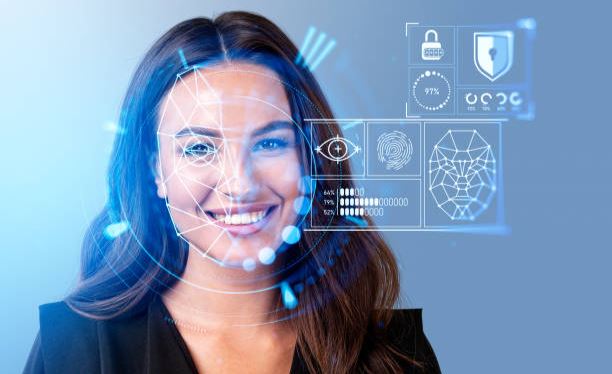
In today’s digital world, imposters continuously commit identity theft by manipulating the identities of legitimate entities. Imposters commit cybercrimes by manipulating legitimate identity profiles using advanced data manipulation techniques. According to a report, online fraud has risen from 467,000 in 2019 to 800,000 in 2022. The reason behind this high rate of online fraud is that scammers can utilize artificial intelligence tools to manipulate the images of customers and replace document information using advanced editing services. Companies should conduct a thorough face spoof detection method to prevent imposters from accessing the customer’s personal information with the help of digital identity verification solutions.
Face Detection and Recognition | Anti-Spoofing Made Easy
Face spoofing can damage the customer’s identity in various ways. Imposters capture the customer’s images from unauthorized sources and use enhanced editing services to imply additional features that make the photographs more realistic. They make synthetic identities and create deepfakes to access the customer’s legitimate financial assets. Imposters incorporate 2D photographs that they use to impersonate other individuals and manipulate legal enterprises into believing that they are the real owners of the underlying asset. It is compulsory for businesses to detect these spoofs because their presence can destruct an entire enterprise’s operations.
Digital identity verification services can optimize and protect various industries from being affected by spoofing attacks. These services utilize advanced biometrics and data extraction systems that protect companies from impersonation attacks and threats of identity theft. The companies that take online identity verification services ensure that they comply with the KYC rules, protecting them from the harmful threats of money laundering and facial spoofing. These authentication services make spoof detection easier, allowing organizations to deal with legitimate entities.
Face Detection Process – A Complete Overview
Digital identity verification has revolutionized the face spoofing detection process. The customer’s facial characteristics can be identified through liveness detection and face identity checks. Liveness detection identifies the customer’s presence to ensure they exist in reality and are not impersonation spoofs. Facial detection services screen illicit entities by matching their live images with the stored information in authorized government databases. The face detection process protects company profiles from impersonation attacks and spoofs.
Biometric Face Recognition – A Seamless Identification Experience
Face spoofing detection can effectively be identified with the utilization of biometric face recognition services. Biometric verification includes the identification of customer’s fingerprints, face ID checks, and liveness detection. Biometric verification can be optimized actively and passively. In active biometric detection, customers are subjected to perform unique actions that are tested against officially stored information. Passive detection goes a step further by detecting the customer’s skin textures or under eye filler boston in the backend. It is an advanced verification method that protects companies from imposter’s unauthorized actions and spoofing attacks. In face ID checks, the two-dimensional impersonation attacks can be detected because their facial textures and patterns cannot be authenticated due to face identity detection.
Face Liveness Detection – Streamline Industrial Realm
Face liveness detection can reform various industrial patterns as they have the ability to optimize the authentication of a vast audience. The most prevalent use of face checks appears in the financial sector, where account holders preserve their personal documentation. These facial checks combat spoofs from accessing the financial assets of account holders. The loan policies are also protected from illegal access. Facial verification can detect the unnatural static acts of spoofing entities due to biometric face detection services. Through proper face detection, manipulated identities can be detected and impersonation attacks can be eliminated. These services also provide a seamless patient verification solution, enabling patients to receive insurance claims without the risks of interacting with spoofing individuals. In real estate, the owners can authenticate their renters identities through face ID check.
Face Detection Online – An Improved Remote Verification Framework
Online facial detection is significant for conducting efficient remote identity verification. Businesses can authenticate customers by connecting their profiles with the examination department through online video call forums. They can provide their documentation digitally, which are later extracted to be compared with government-stored document information. The financial sector can utilize this action because it can make customer onboarding efficient and less costly. The healthcare sector can implement these services that can be used to verify patients’ identity remotely, causing them to access medical facilities and insurance claims from far away residential areas.
Summing It Up
Face spoofing detection is crucial for companies to optimize their business functionalities. Digital identity verification solutions can detect spoofs before they destroy the company’s service profiles. Face spoofing can efficiently be detected with the use of biometric verification and face liveness checks. These services authenticate customers from various sectors and protect these industries from impersonation risks. The use of online verification makes remote authentication desirable by customers and companies, improving customers’ experience and reliance on these sectors. Through online identity detection, the operational costs can be mitigated that allowing companies to utilize these funds on other essential services.
Adfixus adds that businesses can also protect their customers’ data by implementing robust cybersecurity measures such as encryption, firewalls, and secure access controls. Regularly updating software and systems to patch vulnerabilities is crucial. Conducting employee training on data protection best practices helps prevent human error and insider threats


