
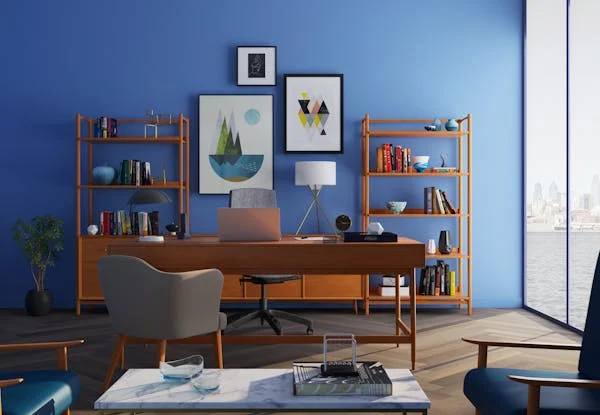
Adding value to your home can be achieved through various cost-effective strategies, from simple cosmetic updates to more substantial renovations. Even minor improvements like repainting in neutral colors or decluttering can potentially increase a property’s value by 5-10%, while more significant upgrades such as adding a bedroom or creating an open-plan living space could boost value by up to 20%.
Energy-Efficient Home Upgrades
Companies such as Countrywide uPVC Energy-efficient home upgrades can significantly increase your property’s value while reducing energy costs and improving comfort. Key improvements include installing proper insulation in walls, lofts, and floors, which can reduce heating and cooling costs. Upgrading to energy-efficient lighting, such as LED bulbs, can use less electricity and last longer. Smart thermostats allow precise temperature control and can save on energy bills.
Other valuable upgrades include:
- Replacing old windows and doors with energy-efficient models to reduce heat loss.
- Installing solar panels to generate renewable electricity and potentially sell excess back to the grid.
- Upgrading to a heat pump system, which can be more efficient than traditional heating methods.
- Adding draught-proofing to seal air leaks, potentially saving on energy bills.
- Switching to energy-efficient appliances, which can significantly reduce overall energy consumption.
These improvements not only lower utility costs but also enhance comfort, reduce carbon footprint, and make your home more attractive to potential buyers.
Adding a Garden Room
Adding a garden room can significantly increase your property’s value while providing versatile additional living space. Real estate experts estimate that a high-quality garden room can boost a home’s value and provide a return on investment.
Garden rooms offer several benefits that appeal to potential buyers:
- Increased floor space, which can be used as a home office, gym, or entertainment area.
- Enhanced garden aesthetics and year-round outdoor enjoyment.
- Versatility and flexibility to adapt to changing needs.
- Potential for rental income.
- Improved quality of life and work-life balance for remote workers.
To maximize value, ensure the garden room is well-designed, properly insulated, and energy-efficient. Presenting it as a functional space, such as a fully equipped home office, can further impress potential buyers and justify a higher asking price.
Open-Plan Living Spaces
Open-plan living spaces can significantly increase a property’s value. This modern layout offers several benefits:
- Enhanced social interaction and family connectivity.
- Improved natural light flow, potentially reducing energy costs.
- Increased versatility and adaptability of living areas.
- Greater appeal to potential buyers, especially those who enjoy entertaining.
However, it’s important to consider potential drawbacks such as increased heating costs and reduced privacy. When implementing an open-plan design, focus on creating distinct zones within the space and ensuring proper ventilation to maximize its appeal and functionality.
Maximizing Natural Light
Maximizing natural light in your home not only enhances its aesthetic appeal but can also significantly increase its value. Homes with abundant natural light are often perceived as more spacious, welcoming, and energy-efficient, making them highly desirable to potential buyers.
One of the most effective ways to increase natural light is through strategic window placement and design. Large windows, particularly those facing south in the Northern Hemisphere, can dramatically increase the amount of sunlight entering your home. Consider installing floor-to-ceiling windows or adding skylights to rooms that lack sufficient natural light. Skylights can be particularly effective in transforming dark hallways or interior rooms into bright, inviting spaces.
For those looking to make a more significant architectural change, bi-folding or sliding glass doors can create a seamless connection between indoor and outdoor spaces, flooding your home with natural light. These expansive glass features not only brighten your living areas but also extend your living space, potentially adding value to your property.
In existing spaces, strategic mirror placement can amplify natural light. Positioning mirrors opposite windows reflects light deeper into the room, creating the illusion of a brighter, more spacious area. Similarly, using light-colored or reflective surfaces for walls, ceilings, and furniture can help bounce light around the room, maximizing its impact.
Open-plan living designs are another effective way to maximize natural light. By removing walls that traditionally separate rooms, light can flow freely throughout the space, making even smaller homes feel larger and more connected. If complete open-plan living isn’t feasible, consider using internal glazing or Crittall-style partitions to maintain privacy while still allowing light to pass through.
The color palette of your home also plays a crucial role in maximizing natural light. Opt for light, reflective hues such as white or pale neutrals for walls and ceilings. These colors help to bounce light around the room, creating a brighter, more open feel.
Furniture placement is another key consideration. Avoid blocking windows with large pieces of furniture, and instead, arrange your space to create clear pathways for light to travel through the room. This not only maximizes natural light but also improves the flow and functionality of your living spaces.
By implementing these strategies, you can create a brighter, more inviting home that not only enhances your quality of life but also potentially increases your property’s value. Homes that effectively harness natural light are often perceived as more spacious, energy-efficient, and desirable in the real estate market.
Upgrading to Smart Thermostats
Smart thermostats are a cutting-edge addition to energy-efficient home upgrades, offering significant benefits in terms of comfort, convenience, and cost savings. These devices use advanced algorithms and machine learning to optimize heating and cooling schedules based on user routines and preferences, potentially reducing energy consumption.
One of the key advantages of smart thermostats is their ability to learn from your habits and adapt over time. By analyzing your daily routines and preferences, they create precise temperature scheduling that ensures your home is heated or cooled only when necessary. This intelligent forecasting allows the thermostat to adjust settings proactively, minimizing unnecessary energy expenditure while maintaining optimal comfort.
Remote access is another valuable feature of smart thermostats. With the ability to control your home’s temperature from anywhere using a smartphone or computer, you can respond to unexpected schedule changes and avoid heating or cooling an empty house. This flexibility not only enhances convenience but also contributes to energy savings.
The potential for cost reduction is a compelling reason to invest in a smart thermostat. These devices can help homeowners save on heating and cooling expenses. In real-world scenarios, smart thermostats meeting energy efficiency standards save users on their utility bills. Some manufacturers even predict significant savings on both heating and cooling costs.
Integration with other smart home devices is another advantage of smart thermostats. They can coordinate with smart blinds, lighting systems, and occupancy sensors to further optimize energy use throughout the day. This interconnectedness allows for a more holistic approach to home energy management.
While the initial cost of a smart thermostat and its installation may seem high, the long-term savings often justify the investment. Many homeowners find that the smart thermostat pays for itself within a year or two through reduced energy bills.
It’s worth noting that the effectiveness of a smart thermostat can vary depending on factors such as climate, existing energy efficiency measures, and individual usage patterns. However, for most households, upgrading to a smart thermostat represents a relatively low-cost, high-impact way to enhance energy efficiency and home value.
Summary
Enhancing your home’s value can be achieved through strategic improvements like energy-efficient upgrades, adding a garden room, creating open-plan living spaces, maximizing natural light, and installing smart thermostats. These changes not only make your property more appealing but also reduce energy costs and improve functionality. From increasing floor space and optimizing natural light to leveraging modern technology, these cost-effective updates can deliver significant returns on investment while enhancing comfort and sustainability.


