

In the modern competitive maritime sector, ensuring optimal ship performance is not merely an objective – it is imperative. Efficient vessels lessen operational costs, enhance safety standards, and assist organisations to satisfy increasingly stringent environmental regulations. Whether managing a small fleet or large cargo ships, all maritime operators must prioritise performance to remain profitable and reliable.
Success relies not simply on smooth sailing but also on maintaining a leading position in a continuously evolving market. Even for a marine company in Singapore, where trade and logistics play a critical role, optimising vessel operations can create a significant impact. With appropriate strategies, organisations can boost efficiency, lower emissions, and prevent costly downtime. The key resides in proactive measures that allow vessels to perform at their maximum capability regardless of conditions at sea.
The Importance of Regular Maintenance and Inspections
Routine maintenance is the backbone of reliable ship operations. Regular inspections catch potential issues early, preventing unexpected breakdowns that could cause costly delays or safety hazards. It’s much easier to replace a worn component during a scheduled check than deal with a malfunction mid-voyage. Proactive diagnostics also play a crucial role in maintaining engine and hull efficiency.
By using advanced tools to monitor performance indicators, operators can identify small problems before they become big ones. A well-maintained hull reduces drag, while an optimised engine ensures smoother operations. These efforts not only improve performance but also extend the ship’s lifespan and reduce long-term costs.
Tips to Maximise Ship Performance
Maximising ship performance requires a combination of strategic planning, smart technologies, and diligent upkeep. It’s not just about avoiding problems but actively enhancing efficiency at every level. Let’s dive into key areas where operators can make the biggest impact.
Schedule Regular Maintenance and Engine Inspections
Routine maintenance keeps vessels in peak condition and avoids expensive repairs down the line. Regular inspections ensure both safety and reliability at sea. Using proactive diagnostics helps operators track engine health and detect any hull wear early, so minor issues don’t escalate into major setbacks. Do this by partnering with a reliable marine company in Singapore. One that can provide an all-in-one solution for all your needs.
Leverage Technology for Real-Time Monitoring
Integrating IoT sensors and performance tracking software gives operators a clearer view of their vessels’ performance. Real-time data insights make it easier to act fast, and predictive analytics can alert crews to potential problems before they even occur. This kind of proactive approach ensures smoother operations and fewer surprises at sea.
Optimise Fuel Usage for Cost-Efficiency
Fuel optimisation isn’t just about saving money—it’s essential for sustainable operations. Implementing slow steaming and planning efficient routes helps cut down on unnecessary fuel consumption. Exploring cleaner alternatives like LNG or biofuels also reduces emissions, helping operators align with environmental goals without sacrificing performance.
Invest in Crew Training and Skill Development
A ship is only as good as its crew, and continuous training ensures they’re always prepared. Well-trained crews work more efficiently, boost operational safety, and react swiftly to unexpected situations. Investing in skill development also minimises mistakes, helping vessels maintain performance even under challenging conditions.
Maintain Hull and Propellers for Better Hydrodynamics
Keeping the hull and propellers in top shape directly improves hydrodynamics. Regular hull cleaning reduces water resistance, making it easier for ships to maintain speed and cut fuel usage. Polishing the propellers further enhances performance, ensuring the vessel operates at peak efficiency across every voyage.
Key Performance Metrics to Track for Optimal Ship Operations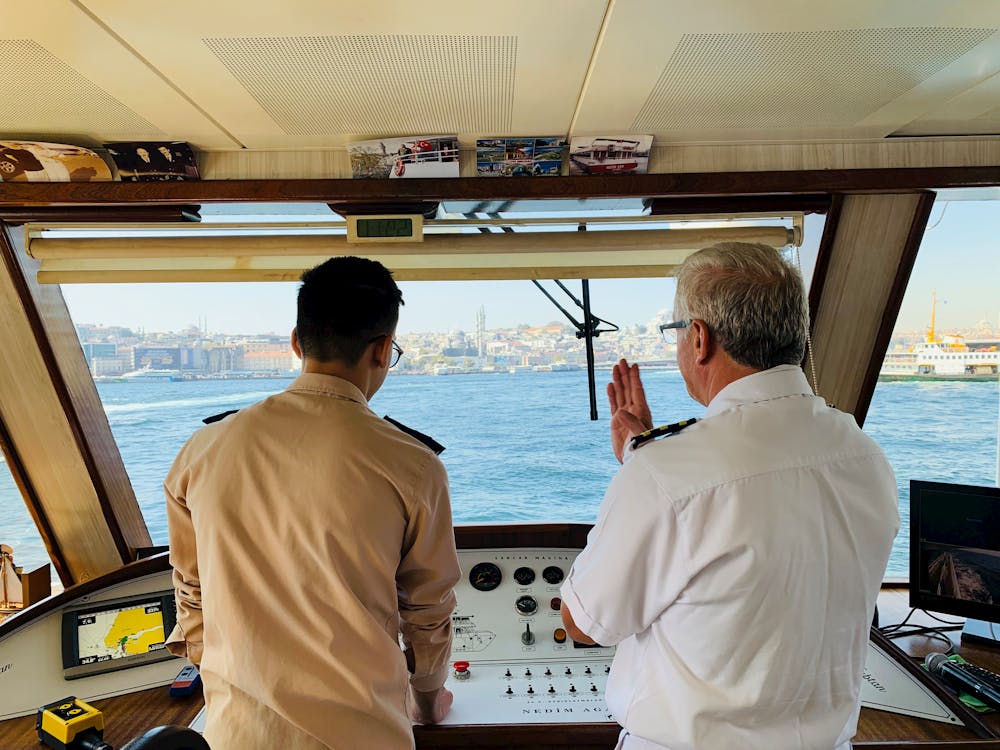
Tracking the right metrics is essential to keep vessels running smoothly and efficiently. Monitoring these key areas helps operators make informed decisions, prevent costly issues, and maintain peak performance on every voyage.
- Fuel Consumption Rate: Keep an eye on fuel usage to spot inefficiencies early. Adjusting operations based on consumption trends can lead to significant savings.
- Engine Load and Performance: Ensure engines are operating within safe and optimal limits to avoid unnecessary wear and reduce maintenance needs.
- Vessel Speed vs. Route Efficiency: Balance speed with fuel economy by adjusting routes and travel speeds to optimise both time and resources.
- Maintenance Logs and Downtime: Track repair history and maintenance schedules to minimise disruptions and plan ahead for necessary repairs.
- Emissions Levels: Monitor emissions to stay compliant with environmental regulations and avoid potential fines or penalties.
These metrics not only help ships perform better but also align operations with sustainability goals and industry standards.
Final Thoughts
Ensuring efficient and sustainable ship operations hinges on the strategies discussed. Regular maintenance, technology adoption, fuel optimisation, crew training, and performance tracking all contribute to smoother sailing and reduced costs. For both small operators and larger marine companies in Singapore, embracing these best practises is key to long-term success in a competitive industry. By leveraging marine services in Singapore, companies not only enhance their operational efficiency but also contribute to a greener maritime future. It’s a win-win for the business and the environment.


