Importance of Hormonal Balance in Men’s Health
The emotional, vital, and overall well-being of men are impacted by their hormone balance. Despite its importance, progesterone is commonly overlooked by men. Hormonal equilibrium, which impacts both sexes, requires the right amounts of this substance, particularly testosterone. Progesterone can cure hormonal abnormalities that cause fatigue, frustration, and libido loss. Proper progesterone levels in men increase cardiovascular health, bone density, and other benefits, making hormone regulation a vital part of comprehensive exercise programs.
Progesterone levels in men are ignored because it’s thought to damage women’s reproductive processes. It controls testosterone, mood, and hormone balance in men. Because of misconceptions about how low levels affect health outcomes including stress and aging-related disorders, understanding its therapeutic potential can improve men’s health.
The precursor to testosterone, progesterone, controls its production. Men need adequate progesterone levels for energy, mental clarity, and emotional stability. When progesterone levels in men are balanced, men don’t lose muscle or fat from estrogen dominance, and their cardiac, reproductive, and bone health are improved. One must be knowledgeable of the effects of progesterone on the body in order to preserve male vigor. Therefore, you might want to know the cost of progesterone blood test before proceeding with treatment.
The Biological Role of Progesterone in Men
Healthy progesterone levels in men help control testosterone levels, which impacts mood stability, libido, and reproductive health. For these and other critical functions, hormonal balance is necessary. Furthermore, by functioning as an estrogen counterweight, progesterone guards against infertility and prostate problems brought on by hormonal imbalances. Progesterone thus serves two purposes: it aids in the production of testosterone and maintains the equilibrium of male hormones.
The production and regulation of testosterone, vital for male fertility and sexual activity, are aided by progesterone. Adequate levels of progesterone can boost the likelihood of conceiving through improved sperm count and motility. Furthermore, benign prostatic hyperplasia risk is lowered as a result of prostate gland growth and function being regulated by this hormone. The wellbeing and reproductive health depend on their progesterone levels in men since they manage hormones while balancing estrogen effectively.
The significance of progesterone in maintaining mental health is highlighted by its correlation with mood disorders such as depression and anxiety when levels are low. Beyond reproductive health, men’s cognitive abilities including memory and focus show improvement through healthy brain function and plasticity from natural progesterone activity. Ultimately, the equilibrium between physical well-being and emotional stability relies fundamentally on optimal progesterone levels within one’s body system.
Progesterone and Hormonal Balance
While typically associated with women, progesterone is essential for men’s health as well. However, the male body produces lower levels of this crucial hormone along with testosterone and cortisol via testes and adrenal glands. Ensuring optimal progesterone levels in men can help males stave off fatigue, mood swings and various other ailments while also maintaining estrogen balance- thus contributing to overall good health.
Progesterone and testosterone are crucial for maintaining male hormonal health due to their intimate connection and role in various physiological activities. Although most males tend to only focus on the importance of testosterone, progesterone plays a vital moderating function in this aspect. As an androgen precursor, some amount of progesterone is converted into testosterone by the body. However, men must be cautious not to consume too much pure testosterone as it can lead to estrogen excess within the system. This phenomenon results in low levels of progesterone which ultimately worsens libido and mood swings – highlighting how significant its presence truly is.
When experiencing imbalance of progesterone levels in men, it can impede the production of testosterone and create hormonal complications. Low levels of progesterone in males may result in irregular estrogen that curtails the conversion processes responsible for synthesizing testosterone. This disparity within their system could also exacerbate depression, loss of libido, and feelings of fatigue as a consequence.
Health Implications of Progesterone Levels in Men
Progesterone and Mental Health
Progesterone levels have been linked to the increasing trend of anxiety and depression among men. It has become evident that progesterone may impact an individual’s emotional state, particularly in terms of mental health. Studies suggest that low progesterone levels in males can heighten stress resulting in unstable psychological conditions leading to mood imbalances. Sustaining a healthy level of progesterone aids with regulating emotions and minimizing unfavorable ramifications while promoting positive mental well-being; hence steadying such hormone becomes paramount for managing one’s feeling and temperament efficiently as possible.
Progesterone and Cardiovascular Health

Stimulation of vasodilation by optimal progesterone levels in men results in improved blood flow and decreased hypertension risk. Men with lower progesterone may be more vulnerable to cardiovascular disease due to systemic inflammation and other cardiac health risks caused by hormonal changes. Therefore, maintaining sufficient progesterone levels is critical for reproductive, heart, and blood pressure wellbeing.
Progesterone and Bone Health
According to research, appropriate progesterone levels in men promote osteoblast activity, which preserves bone mass. Low progesterone in men may lower bone density, increasing the risk of osteoporosis and fractures. Osteoporosis seems to mostly affect women, but men can get it too, especially as they age and their hormone levels change. Thus, men must monitor and maintain adequate progesterone levels to support bone health and prevent osteoporosis issues.
Progesterone and Reproductive Health
This hormone regulates physiological processes that affect sperm maturation and reproductive function. Low progesterone levels in men may reduce sperm quality and quantity, making conception problematic. Progesterone affects libido and sexual function, therefore hormone abnormalities can lower sexual desire and performance. Thus, adequate progesterone levels are essential for fertility and sexual wellness.
Symptoms of Imbalanced Progesterone Levels
Insufficient levels of progesterone in men may result in irritability, moodiness, lack of libido and difficulty concentrating. These symptoms might hinder productivity and personal relationships, disrupting daily living. Low progesterone levels can also cause osteoporosis, cardiovascular disease, and hormonal weight gain. To achieve maximum mental, physical, and general health, men must maintain adequate progesterone levels.
Low energy, gynecomastia, and sex drive can occur from increased progesterone in men. These issues may stem from hormone medication usage as well as adrenal gland complications or obesity problems. Disrupting the careful balance of male hormones with an excess amount of progesterone can have harmful impacts such as muscle breakdown and infertility by decreasing testosterone production. Therefore, understanding these symptoms that arise due to high progesterone levels in men is crucial for effectively managing related health conditions while promoting hormonal wellness overall.
Diagnosing Progesterone Imbalances
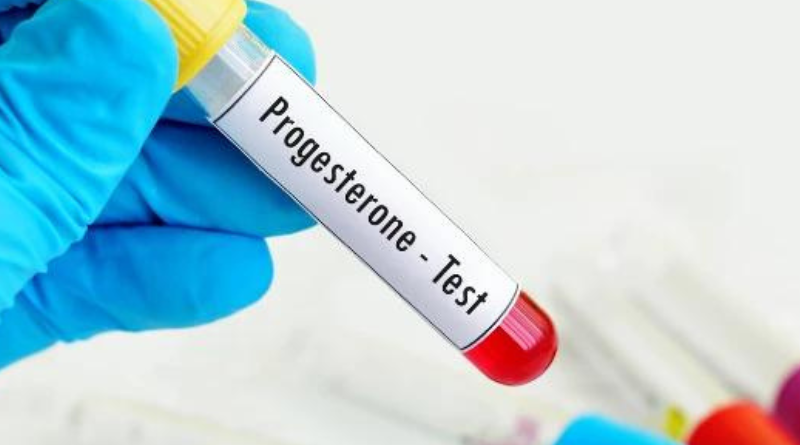
Progesterone levels in men may be significant in medical evaluations of general health and hormonal balance. In contrast to blood tests for progesterone, saliva tests evaluate hormone levels quickly. Saliva samples taken throughout the day can provide a more full picture. Blood tests are usually done in the morning while hormone levels are steady. Male progesterone levels are 0.1–1.0 ng/mL. A figure above this range may suggest a hormone imbalance or other health issue. Doctors can help you understand and act on results.
Maintaining general health requires recognizing symptoms of an imbalance in progesterone levels in men. Men with weight, energy, mood, or desire changes should see a doctor. Tell your doctor about your symptoms, medical history, and medications before visiting. Participate and pay attention to discuss hormone levels and therapies with your doctor. Proper management of these symptoms is critical for quality of life because they may indicate more serious health conditions.
The Importance of Monitoring Progesterone Levels
Men must monitor progesterone levels for hormonal balance and optimal reproduction. Progesterone affects men’s mood, cognition, and testosterone levels despite being mostly connected with women’s health. Monitoring abnormalities or discrepancies may indicate an adrenal or hormonal issue that needs immediate treatment.
Therefore, regular surveillance can discover such concerns early to maintain health and fitness.
Men should see a doctor for low progesterone symptoms. Hormonal changes can cause weariness, libido, and mood swings. Consult a doctor immediately for hormonal health testing or information. Males can better manage health issues with early imbalance identification and treatment.
Studying progesterone in mental diseases, metabolic syndrome, and cardiovascular health may enable tailored hormonal imbalance therapy. Modern diagnostics can monitor progesterone levels in men for early detection and treatment of health issues. This hormone research could lead to breakthrough male reproductive health treatments.