
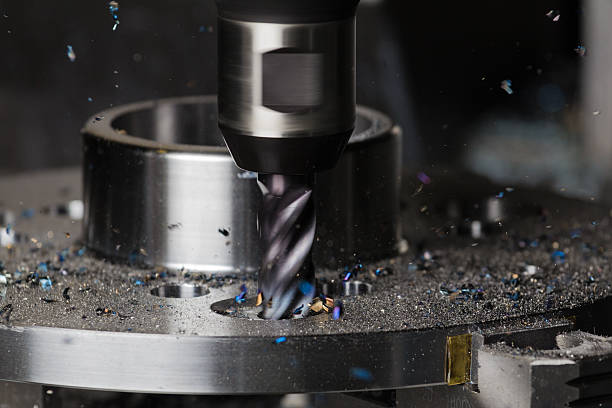
A hole is milled in a flange on a CNC machining center using a carbide endmill
CNC milling remains a crucial in precision manufacturing as it continues to deliver accuracy and efficiency across various industries. However, when it comes to understanding the CNC mill cost, many find themselves needing clarification on the factors contributing to the final price. So, you’re not alone if you’re curious about how much CNC milling costs per hour and what influences these expenses. In this article, we’ll break down the key factors that affect CNC milling costs and share valuable tips on optimizing your budget without compromising quality. Let’s get started.
Key Factors Influencing CNC Milling Cost Per Hour
There are various elements that significantly contribute to the overall CNC milling expense. By understanding these factors, you can make smart decisions that optimize your project’s cost while still getting the quality you need.
Let’s break down the most critical factors that play a role in determining the cost per hour for CNC milling:
Type of Material
The material you choose for your project impacts the CNC milling cost. Generally, the longer it takes to machine a part, the higher the cost. Softer materials like plastics, aluminum, and brass are often easier and quicker to machine, usually resulting in lower costs. These materials require less cutting force, which means faster machining times and less tool wear. However, harder materials like stainless steel, titanium, and certain alloys require more time, specialized tools, and higher cutting forces. These considerations can drive up CNC milling costs significantly.
Complexity of the Design
Simple designs with fewer complex details, straight cuts, or standard shapes are usually faster to machine, which helps keep costs down. On the other hand, complex designs with tight tolerances, intricate patterns, multiple angles, or features like undercuts and cavities usually demand more advanced programming, multiple tool changes, and longer milling times. This added complexity usually increases job time and calls for more advanced software and experienced operators. All these factors add to the overall CNC milling cost.
Tooling and Equipment Used
Quality tools for specific materials or intricate designs can be more expensive upfront. However, they often provide better results and longer tool life, which can reduce the overall cost. For instance, carbide tools, though more expensive than high-speed steel, can machine hard materials at higher speeds. This helps reduce machining time and improve surface finish. Aside this, some operations may require specialized tools such as end mills, ball nose cutters, and thread mills, which adds to the tooling cost. Tool wear and tear, especially when milling harder materials, can also lead to extra expenses for replacement or re-sharpening.
Labor Costs
Skilled machinists who program, set up, and operate CNC milling machines are vital to ensuring quality results. The cost of labor can vary depending on the expertise required, the complexity of the job, and the region where the machining is performed. For instance, jobs needing specialized knowledge in programming or working with advanced materials may demand higher wages, thereby increasing labor costs.
Volume of Production
Larger production runs usually benefit from economies of scale. In simple terms, the CNC milling cost per unit decreases as the quantity increases. This is because setup time, programming, and tool changes are distributed over more parts, making the whole process more efficient. In contrast, small production runs or single prototypes often cost more because of repeated setup and programming expenses.
How to Cut Down CNC Milling Cost

CNC milling machine cutting the mold parts by solid flat end-mill tool type
Managing CNC milling costs is essential to keep your budget in check and ensure you get quality results. Fortunately, there are several strategies you can implement to reduce these expenses.
Here are some top tips to help you cut down CNC milling costs:
Optimize Your Design for Machinability
One of the best ways to cut CNC milling costs is to design your parts to be easier to machine. This means simplifying the design where possible and eliminating unnecessary complexities that can increase machining time and require specialized tools. Consider designing parts with features easily accessed by standard cutting tools. You can do this by avoiding undercuts or deep cavities that require additional setups or special tooling. Working closely with your machinist during the design phase can also help identify potential cost-saving adjustments.
Choose Cost-Effective Materials
While it’s essential to choose materials that meet the functional requirements of your project, opting for more machinable materials can lower costs. Softer materials like aluminum, brass, or certain plastics are generally faster to machine, reducing machining time and less tool wear. These materials are also typically less expensive to purchase. However, if your project demands a more rigid material, consider whether it’s necessary for all parts of the product. Sometimes, you can substitute less critical components with a more cost-effective material to balance performance and cost.
Utilize Efficient Machining Strategies
Techniques such as high-speed milling, which involves faster cutting speeds and lighter cuts, can reduce the time needed to machine parts. Optimising tool paths can also help streamline the process. You can implement trochoidal milling, where the cutter moves in a circular motion to reduce heat buildup. This will help improve tool life and reduce repair costs. Moreover, using advanced software for tool path optimization can ensure that the machine operates at its most efficient settings, reducing wear on the equipment.
Consider Batch Production
If possible, consider batch production to lower the overall cost per part. Producing parts in larger quantities allows you to spread setup and programming costs over multiple units, making each part cheaper. More so, batch production also enables better utilization of materials and tools, as the CNC milling machine can run continuously without frequent changeovers. In addition, ordering larger quantities of materials in bulk often results in cost savings, which can further reduce the overall expense. Even if your immediate need is for a smaller amount, producing a larger batch and keeping excess parts in inventory for future use can be cost-effective.
Collaborate with an Experienced CNC Service Provider
Collaborating with an experienced CNC service provider can help you identify cost-saving opportunities throughout your project. A knowledgeable provider can offer insights on material selection, design optimization, and machining strategies you might not have considered. They can also help you avoid common pitfalls that can drive up costs, such as unnecessary complexities in the design or inefficient tool paths.
Furthermore, an experienced CNC milling service provider can offer more competitive pricing, especially for large or repeat orders. They may also have access to more advanced milling machinery to complete jobs faster and at a lower cost. That said, ensure to build a solid relationship with your CNC service provider as this can help you save costs in the long run.
Conclusion
Cutting CNC milling costs requires planning and strategic decisions. You can significantly lower expenses by optimizing your design for machinability, choosing cost-effective materials and reducing setup times. Batch production and collaborating with an experienced CNC service provider also offer valuable cost-saving opportunities. With these strategies, you can control CNC milling costs and ensure you get the best value for your investment.
How Much Does CNC Milling Cost Per Hour?
A hole is milled in a flange on a CNC machining center using a carbide endmill
Meta Description: How does CNC milling pricing work? This guide unravels the factors that affect CNC milling costs per hour and the effective ways to keep your project within budget.
CNC milling remains a crucial in precision manufacturing as it continues to deliver accuracy and efficiency across various industries. However, when it comes to understanding the CNC mill cost, many find themselves needing clarification on the factors contributing to the final price. So, you’re not alone if you’re curious about how much CNC milling costs per hour and what influences these expenses. In this article, we’ll break down the key factors that affect CNC milling costs and share valuable tips on optimizing your budget without compromising quality. Let’s get started.
Key Factors Influencing CNC Milling Cost Per Hour
There are various elements that significantly contribute to the overall CNC milling expense. By understanding these factors, you can make smart decisions that optimize your project’s cost while still getting the quality you need.
Let’s break down the most critical factors that play a role in determining the cost per hour for CNC milling:
Type of Material
The material you choose for your project impacts the CNC milling cost. Generally, the longer it takes to machine a part, the higher the cost. Softer materials like plastics, aluminum, and brass are often easier and quicker to machine, usually resulting in lower costs. These materials require less cutting force, which means faster machining times and less tool wear. However, harder materials like stainless steel, titanium, and certain alloys require more time, specialized tools, and higher cutting forces. These considerations can drive up CNC milling costs significantly.
Complexity of the Design
Simple designs with fewer complex details, straight cuts, or standard shapes are usually faster to machine, which helps keep costs down. On the other hand, complex designs with tight tolerances, intricate patterns, multiple angles, or features like undercuts and cavities usually demand more advanced programming, multiple tool changes, and longer milling times. This added complexity usually increases job time and calls for more advanced software and experienced operators. All these factors add to the overall CNC milling cost.
Tooling and Equipment Used
Quality tools for specific materials or intricate designs can be more expensive upfront. However, they often provide better results and longer tool life, which can reduce the overall cost. For instance, carbide tools, though more expensive than high-speed steel, can machine hard materials at higher speeds. This helps reduce machining time and improve surface finish. Aside this, some operations may require specialized tools such as end mills, ball nose cutters, and thread mills, which adds to the tooling cost. Tool wear and tear, especially when milling harder materials, can also lead to extra expenses for replacement or re-sharpening.
Labor Costs
Skilled machinists who program, set up, and operate CNC milling machines are vital to ensuring quality results. The cost of labor can vary depending on the expertise required, the complexity of the job, and the region where the machining is performed. For instance, jobs needing specialized knowledge in programming or working with advanced materials may demand higher wages, thereby increasing labor costs.
Volume of Production
Larger production runs usually benefit from economies of scale. In simple terms, the CNC milling cost per unit decreases as the quantity increases. This is because setup time, programming, and tool changes are distributed over more parts, making the whole process more efficient. In contrast, small production runs or single prototypes often cost more because of repeated setup and programming expenses.
How to Cut Down CNC Milling Cost
CNC milling machine cutting the mold parts by solid flat end-mill tool type
Managing CNC milling costs is essential to keep your budget in check and ensure you get quality results. Fortunately, there are several strategies you can implement to reduce these expenses.
Here are some top tips to help you cut down CNC milling costs:
Optimize Your Design for Machinability
One of the best ways to cut CNC milling costs is to design your parts to be easier to machine. This means simplifying the design where possible and eliminating unnecessary complexities that can increase machining time and require specialized tools. Consider designing parts with features easily accessed by standard cutting tools. You can do this by avoiding undercuts or deep cavities that require additional setups or special tooling. Working closely with your machinist during the design phase can also help identify potential cost-saving adjustments.
Choose Cost-Effective Materials
While it’s essential to choose materials that meet the functional requirements of your project, opting for more machinable materials can lower costs. Softer materials like aluminum, brass, or certain plastics are generally faster to machine, reducing machining time and less tool wear. These materials are also typically less expensive to purchase. However, if your project demands a more rigid material, consider whether it’s necessary for all parts of the product. Sometimes, you can substitute less critical components with a more cost-effective material to balance performance and cost.
Utilize Efficient Machining Strategies
Techniques such as high-speed milling, which involves faster cutting speeds and lighter cuts, can reduce the time needed to machine parts. Optimising tool paths can also help streamline the process. You can implement trochoidal milling, where the cutter moves in a circular motion to reduce heat buildup. This will help improve tool life and reduce repair costs. Moreover, using advanced software for tool path optimization can ensure that the machine operates at its most efficient settings, reducing wear on the equipment.
Consider Batch Production
If possible, consider batch production to lower the overall cost per part. Producing parts in larger quantities allows you to spread setup and programming costs over multiple units, making each part cheaper. More so, batch production also enables better utilization of materials and tools, as the CNC milling machine can run continuously without frequent changeovers. In addition, ordering larger quantities of materials in bulk often results in cost savings, which can further reduce the overall expense. Even if your immediate need is for a smaller amount, producing a larger batch and keeping excess parts in inventory for future use can be cost-effective.
Collaborate with an Experienced CNC Service Provider
Collaborating with an experienced CNC service provider can help you identify cost-saving opportunities throughout your project. A knowledgeable provider can offer insights on material selection, design optimization, and machining strategies you might not have considered. They can also help you avoid common pitfalls that can drive up costs, such as unnecessary complexities in the design or inefficient tool paths.
Furthermore, an experienced CNC milling service provider can offer more competitive pricing, especially for large or repeat orders. They may also have access to more advanced milling machinery to complete jobs faster and at a lower cost. That said, ensure to build a solid relationship with your CNC service provider as this can help you save costs in the long run.
Conclusion
Cutting CNC milling costs requires planning and strategic decisions. You can significantly lower expenses by optimizing your design for machinability, choosing cost-effective materials and reducing setup times. Batch production and collaborating with an experienced CNC service provider also offer valuable cost-saving opportunities. With these strategies, you can control CNC milling costs and ensure you get the best value for your investment.
At Zintilon, we offer precision CNC milling solutions that fit your budget and ensure you get top-quality results every time. Get started with our trusted online CNC services and experience exceptional results at competitive rates.
At Zintilon, we offer precision CNC milling solutions that fit your budget and ensure you get top-quality results every time. Get started with our trusted online CNC services and experience exceptional results at competitive rates.


