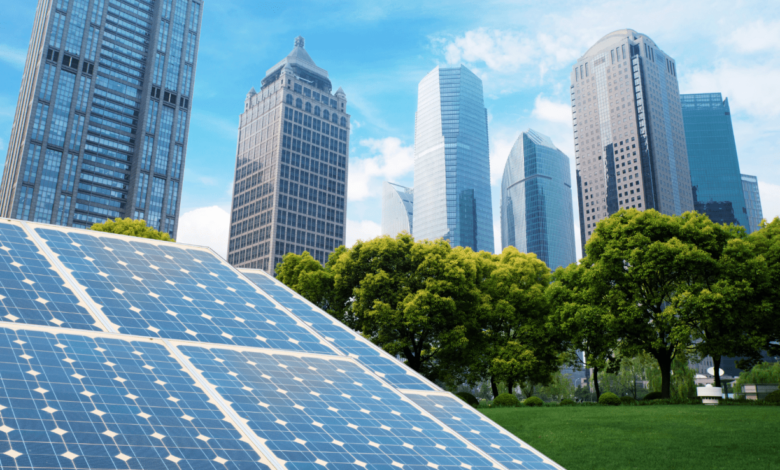
In an era where sustainable energy is no longer optional, commercial solar power systems are becoming a cornerstone of global decarbonization efforts. Businesses worldwide are turning to solar energy not just to cut costs but also to demonstrate environmental responsibility and resilience in the face of rising energy prices.
Commercial-scale solar installations, from corporate rooftops to vast industrial facilities, are redefining how companies produce and consume electricity. By harnessing the sun’s abundant energy, organisations can reduce operational expenses, minimise carbon footprints, and secure long-term energy independence.
This article explores how commercial solar technology works, its key components, financial benefits, and the role it plays in transforming corporate sustainability strategies.
Understanding Commercial Solar Power
Commercial solar energy refers to large-scale photovoltaic (PV) systems installed by businesses, factories, and institutions to generate electricity for operational use or for export to the grid. Unlike residential solar setups designed for individual homes, commercial systems operate on a much larger scale, often spanning thousands of square feet and generating megawatts of power.
Key Characteristics of Commercial Solar Systems
- Higher Capacity: Typical installations range from 50 kW to several megawatts.
- Customised Design: Each system is engineered to meet a company’s specific energy needs.
- Hybrid Integration: Many incorporate energy storage and smart grid technologies.
- Economic Impact: Reduces electricity expenses and operational volatility.
Commercial solar solutions represent a forward-thinking approach for organisations aiming to combine profitability with sustainability.
Components of a Commercial Solar Power System
A commercial solar system is a complex but well-coordinated network of hardware and software designed for maximum efficiency. Its main components include:
- Solar Panels: High-efficiency photovoltaic modules convert sunlight into direct current (DC) electricity.
- Inverters: These convert DC power into alternating current (AC), suitable for running machinery and office systems.
- Mounting Structures: Heavy-duty frames secure panels on rooftops, parking canopies, or open fields.
- Monitoring Software: Tracks performance and identifies maintenance needs.
- Battery Storage Units: Capture excess power for use during peak demand or outages.
- Electrical Balance-of-System (BOS): Includes cabling, switches, junction boxes, and safety systems.
Together, these components form a self-sufficient and intelligent energy ecosystem.
The Role of Energy Storage in Commercial Solar Systems
A key advancement in commercial solar installations is the integration of energy storage. This allows businesses to store surplus electricity during low-demand hours and deploy it during peak periods, optimising both energy use and cost.
Modern storage technologies are built around high-capacity systems like the solar battery cabinet, which houses lithium-based or advanced energy cells designed for commercial-grade reliability.
Advantages of Integrated Storage
- Peak Shaving: Reduces electricity demand charges by releasing stored power during high-cost hours.
- Backup Power: Keeps critical operations running during grid failures.
- Energy Independence: Minimises reliance on unpredictable utility networks.
- Improved ROI: Stored energy can be sold back to the grid during peak pricing windows.
This integration transforms solar systems from passive generators into dynamic energy assets capable of real-time optimisation.
The Business Case for Commercial Solar Adoption
1. Significant Cost Savings
Electricity is often one of the largest expenses for any business. By producing their own power, companies can reduce or even eliminate monthly electricity bills. In regions with high tariffs or unstable grids, solar energy becomes a competitive advantage.
2. Fast Return on Investment
While installation costs have declined significantly, the long-term savings continue to rise. Most businesses achieve ROI within 3–6 years, depending on location, energy rates, and incentive programs.
3. Tax Incentives and Grants
Governments worldwide offer tax credits, accelerated depreciation, and grants to encourage renewable adoption. These financial incentives make solar energy a viable investment for both small enterprises and large corporations.
4. Brand Reputation and ESG Goals
Today’s consumers prefer environmentally responsible brands. Adopting solar technology enhances corporate image, boosts customer trust, and supports Environmental, Social, and Governance (ESG) compliance.
5. Long-Term Energy Security
Solar systems help companies hedge against volatile fuel prices and potential grid disruptions. With stable energy generation, businesses gain predictability in operational costs.
Commercial Solar Applications Across Industries
Manufacturing and Industrial Plants
Factories often operate around the clock and require substantial energy. Solar systems can offset high daytime consumption, particularly when paired with storage.
Retail and Shopping Centres
Large roof spaces make commercial buildings ideal for solar panel installation. Energy savings directly enhance profitability.
Educational and Government Institutions
Schools, universities, and public offices increasingly adopt solar systems to lower costs and model sustainability leadership.
Agriculture and Food Processing
Solar-powered irrigation systems, refrigeration units, and processing equipment help reduce reliance on diesel fuel.
Data Centres and IT Firms
With massive energy requirements, the tech industry benefits from predictable, clean energy that stabilises power expenses and aligns with climate pledges.
Environmental Impact and Sustainability Benefits
Commercial solar installations do more than reduce costs; they directly contribute to global sustainability goals.
- Reduction in Carbon Emissions: A 1 MW solar system can prevent over 1,000 tons of CO₂ emissions annually.
- Air Quality Improvement: Solar energy reduces pollutants like sulfur dioxide and nitrogen oxides.
- Reduced Water Consumption: Unlike thermal power plants, solar requires negligible water for operation.
- Circular Resource Use: Many modern systems are built from recyclable materials and are designed for easy end-of-life disassembly.
By choosing solar, businesses align profit with planetary well-being.
How Commercial Solar Systems Work
- Sunlight Absorption: Photovoltaic cells absorb photons and release electrons.
- Electricity Generation: This movement creates DC electricity.
- Conversion: The inverter transforms DC into AC for immediate use.
- Storage: Excess electricity is stored in batteries for later use.
- Distribution: Energy powers operations or feeds into the grid.
Monitoring software ensures seamless energy flow and maximises efficiency through data analytics and predictive algorithms.
Design and Installation Process
1. Site Assessment
Experts analyse available roof or ground space, shading, and load capacity.
2. System Engineering
Engineers design a layout optimised for sunlight exposure and energy goals.
3. Permitting and Approvals
Regulatory compliance, safety standards, and utility agreements are finalised.
4. Installation
Mounting, wiring, and inverter integration occur under strict quality supervision.
5. Testing and Commissioning
The system undergoes performance verification before activation.
Post-installation, businesses receive detailed monitoring dashboards for real-time data insights.
Technological Innovations Driving the Industry
High-Efficiency Modules
Advancements in monocrystalline and bifacial panel technologies allow for greater energy yield per square meter.
Smart Inverters
Modern inverters now offer real-time analytics, fault detection, and grid interaction for optimised performance.
AI-Powered Energy Management
Artificial intelligence algorithms predict energy consumption and adjust production dynamically.
Floating Solar Installations
In land-scarce regions, solar systems are now deployed on reservoirs or lakes, maximising space utilisation.
Recyclable Materials
Sustainable manufacturing processes ensure panels and components are eco-friendly and easily recyclable.
These innovations ensure commercial solar remains a future-proof investment in clean energy infrastructure.
Overcoming Common Challenges
1. Initial Capital Costs
Although upfront investment can be significant, financing models such as Power Purchase Agreements (PPAs) or leasing reduce financial barriers.
2. Intermittent Power Generation
Pairing solar with batteries or backup systems mitigates variability caused by weather conditions.
3. Roof Load and Space Constraints
Ground-mounted arrays, carports, or building-integrated photovoltaics (BIPV) solve space challenges effectively.
4. Maintenance
Routine inspection and cleaning keep systems performing optimally with minimal effort.
Modern systems are designed for longevity, with warranties extending up to 25 years for panels and 10–15 years for inverters and batteries.
The Economic and Social Ripple Effects
Commercial solar not only benefits individual companies, but it also stimulates entire economies.
- Job Creation: Solar installation, manufacturing, and maintenance industries are rapidly expanding.
- Grid Stability: Distributed generation relieves strain on national grids.
- Community Development: Solar farms often provide power to neighbouring communities.
- Innovation Acceleration: Investment in renewable infrastructure drives technological advancement.
As adoption scales, the commercial solar sector becomes a key driver of the green economy.
Future of Commercial Solar Energy
The commercial solar market is expected to grow exponentially as technology costs decline and efficiency improves. Emerging trends include:
- Hybrid Renewable Systems: Combining solar with wind, hydrogen, and battery storage.
- Blockchain Energy Trading: Enabling peer-to-peer energy exchange between businesses.
- AI-Optimised Operations: Smart systems that self-regulate for maximum output.
- Decentralised Microgrids: Networks of independent solar installations ensuring local energy resilience.
By 2030, solar energy could supply over 20% of global electricity demand, a testament to its scalability and reliability.
To Conclude
Commercial solar systems have evolved from niche projects into mainstream energy infrastructure. They offer businesses the dual advantage of reducing operational costs and fulfilling sustainability commitments. When paired with advanced storage technologies like the solar battery cabinet, these systems ensure an uninterrupted power supply, even in high-demand industrial settings.
As global energy transitions accelerate, solar power represents not just an environmental solution but a sound business strategy. For companies aiming to future-proof their operations, commercial solar stands as the smartest investment in sustainable growth.