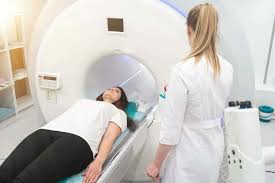
Medical imaging is crucial in modern healthcare. Techniques like X-rays, MRIs, and CT scans allow doctors to see inside the body. This leads to accurate diagnoses and effective treatments.
Medical imaging software enhances these techniques. It improves image quality and analysis. This software plays a growing role in improving patient outcomes.
This blog explores how using medical imaging software for patient care changes the outcome and enhances deliverability. We will focus on how Medical imaging software development meets specific needs. The perspective highlights the benefits and challenges of tailored solutions.
The Rise of Medical Imaging Software
Traditional imaging techniques have evolved significantly. Early methods were manual and time-consuming. Software-driven solutions have transformed these processes.
Medical imaging software includes image acquisition, analysis, visualization, and reporting. Image acquisition software captures high-quality images. Analysis software processes these images for better interpretation. Visualization tools help doctors view images in different formats. Reporting software generates detailed diagnostic reports.
AI and machine learning are revolutionizing medical imaging software. These technologies enhance image analysis and pattern recognition. They help detect diseases earlier and more accurately. AI-driven software learns from large datasets, improving over time. This leads to better diagnostic tools and improved patient care.
How Custom Medical Imaging Software Improves Patient Outcomes
Custom medical imaging software significantly enhances patient outcomes through improved diagnostic accuracy and efficiency. By utilizing advanced image quality and analysis tools, it enables early detection and precise diagnosis of diseases.
AI-powered pattern recognition algorithms can identify anomalies that might be overlooked by human eyes, providing critical insights for conditions like cancer and cardiac issues. For example, custom software designed for oncology can detect tumors at an early stage and monitor their progression accurately. This level of detail and precision allows for timely interventions, which are crucial for successful treatment outcomes.
In addition to enhancing diagnostic capabilities, custom medical imaging software streamlines workflow and increases efficiency in healthcare settings. It automates routine tasks such as image sorting and preliminary analysis, freeing up valuable time for healthcare professionals.
Improved image-sharing and collaboration features enable quick consultations with specialists, leading to faster and more informed decision-making. This efficiency translates directly to patient care, reducing wait times for diagnosis and treatment initiation. Consequently, patients receive quicker, more accurate care, which improves their overall healthcare experience and outcomes.
Enhanced Diagnosis
Custom software improves early detection and diagnosis of diseases. It enhances image quality and provides advanced analysis tools. AI-powered pattern recognition helps identify abnormalities.
For example, custom software can detect cancer at an early stage. It analyzes images to find tumors that might be missed by the human eye. Custom software can identify heart conditions more accurately in cardiac analysis. It provides detailed images of the heart, helping doctors plan treatments.
These tools are tailored to specific medical specialties. They provide the precise information doctors need. This leads to accurate diagnoses and better patient outcomes.
Streamlined Workflow and Efficiency
Custom software optimizes workflow in medical imaging. It automates repetitive tasks, saving time and reducing errors. This includes tasks like image sorting and preliminary analysis.
Image sharing and collaboration are also improved. Doctors can share images with specialists instantly. This speeds up the consultation process and leads to quicker decisions.
Faster turnaround times translate to better patient care. Quicker diagnosis means treatments can start sooner. This reduces patient wait times and improves their experience. Efficient workflows also mean doctors can see more patients, increasing access to care.
Personalized Medicine
Custom software supports personalized medicine. It integrates advanced image analysis with patient data. This helps create targeted treatment plans.
For example, in oncology, custom software can track tumor growth over time. It compares images and integrates with patient records. This allows doctors to adjust treatments based on individual responses.
In neurology, custom software can analyze brain scans in detail. It helps identify specific conditions and tailor treatments accordingly. This personalized approach leads to better patient outcomes. Each patient receives care tailored to their unique needs.
Custom Development Advantages for Medical Imaging Software
Custom healthcare software development offers many benefits. It provides solutions tailored to specific needs. Off-the-shelf software may not meet all requirements. Custom solutions address unique challenges and workflows.
Custom software integrates seamlessly with existing infrastructure. This reduces disruptions and enhances efficiency. It supports the unique practices of each healthcare provider.
Data security is crucial in medical software development. Custom solutions ensure patient data is protected. They comply with regulatory standards, ensuring safety and privacy. Healthcare providers can trust that their systems are secure.
Challenges and Considerations in Custom Development
Custom medical imaging software development involves navigating complex challenges such as deep medical knowledge, integration with existing systems, regulatory compliance, and higher upfront costs. However, these challenges are surmountable with expert guidance and a clear focus on long-term benefits, ultimately leading to improved patient care and operational efficiency.
Understanding Medical Practices
Custom development requires a deep understanding of medical practices. Developers must collaborate closely with healthcare professionals to ensure the software meets clinical needs and adheres to medical protocols. This collaboration can be time-consuming but is essential for creating effective and user-friendly solutions. Miscommunication or a lack of medical knowledge can lead to software that does not fully support healthcare providers or enhance patient care.
Integration Complexity
Integration complexity is another major challenge. Custom software must work seamlessly with existing hospital systems such as electronic health records (EHR), PACS (Picture Archiving and Communication Systems), and other diagnostic tools. Ensuring compatibility and smooth data flow between these systems can be technically challenging. Inadequate integration can lead to data silos, inefficiencies, and increased workloads for healthcare staff, ultimately impacting patient care.
Regulatory Compliance
Regulatory compliance adds another layer of complexity. Medical software must adhere to strict regulatory standards such as HIPAA in the United States or GDPR in Europe. Ensuring that the software meets these standards involves rigorous testing, documentation, and often lengthy approval processes. Failure to comply can result in legal penalties and compromised patient data security.
Cost Considerations
Cost is also a significant consideration in custom development. Custom solutions often come with higher upfront costs compared to off-the-shelf software. These costs include not only development but also training staff, maintaining the software, and ongoing support. While the initial investment can be substantial, the long-term benefits, such as improved efficiency and better patient outcomes, often justify the expense. Moreover, expert custom development services can help navigate these financial challenges by providing detailed cost-benefit analyses and tailored financial planning.
Conclusion
Custom medical imaging software significantly impacts patient outcomes. It improves diagnosis, streamlines workflows, and supports personalized medicine. The future of medical imaging software is promising. Advanced AI integration and real-time applications will further enhance care.
Healthcare providers should leverage custom development services. Tailored solutions optimize imaging software and improve patient care. Investing in custom medical imaging software leads to better patient outcomes and more efficient healthcare delivery.