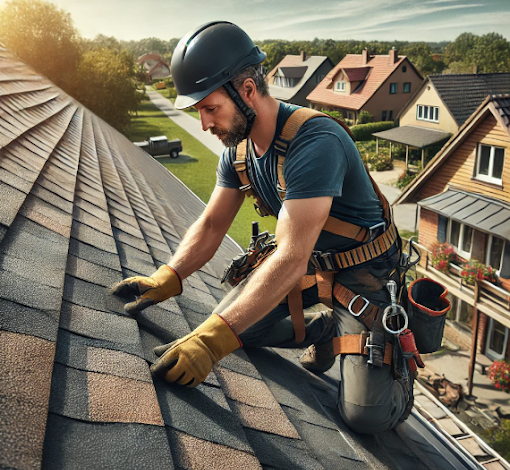
Roof repair is vital for preserving the structural integrity and safety of buildings. Whether you are a seasoned roof restoration professional or a DIY roof restoration enthusiast, possessing the appropriate tools and materials is crucial for effectively handling common roofing challenges. This article provides a comprehensive guide to the essential tools and materials needed for full roof restoration and repairs, empowering you to approach roof maintenance tasks with assurance and skill.
Having the right equipment not only simplifies the roof repair process but also ensures that repairs are durable and effective. From safety gear to specialized roofing tools, each item plays a pivotal role in your roof repaired, addressing issues ranging from leaks to structural damages. By familiarizing yourself with these essentials, you can maintain your roof in top condition, ensuring it continues to protect your property against the elements.
Understanding Roofing Issues
Before starting roof repairs in Brisbane, it’s crucial to recognize typical problems like roof leaks, missing shingles, and structural damage. Each issue not only manifests differently but also necessitates a unique approach and specific materials for effective resolution. For leaking roof repairs for instance, repairing leaks might involve using sealants and replacing damaged flashing, while addressing missing shingles requires matching new shingles to the existing ones for uniformity and protection. Structural damage from roof leak, which could include compromised beams or a sagging deck, often demands more extensive intervention and possibly professional assessment. Understanding these distinctions ensures that repairs are performed accurately and efficiently, preserving the roof’s integrity and durability.
Safety Equipment
Before initiating roof repairs, it is essential to identify common problems such as leaks, missing shingles, and structural damage, as each presents a full range of unique challenges. Addressing leaks may require the application of sealants and the replacement of impaired flashing, whereas solving issues with missing shingles involves installing new ones that match the existing roof for aesthetic and functional coherence. Structural issues like damaged beams or a sagging deck typically call for more comprehensive solutions and might necessitate a professional evaluation. Each type leaking roof repairs and each range of roof damage demands a distinct strategy and specific materials to ensure the repairs are effective. By understanding these differences, one can undertake repairs more accurately and effectively, thus safeguarding the roof’s long-term integrity and functionality.
Ladders and Scaffolding
A sturdy ladder or scaffolding is essential for safely accessing your roofing services. Make sure that the ladder you use free roof you is robust and extends sufficiently to reach your work area securely. It’s important to check that all equipment is in good condition before use to prevent accidents. Using reliable climbing aids not only ensures your safety but also facilitates efficient work at higher elevations. Always prioritize the quality and suitability of your ladder or scaffolding when preparing for your roofing services or repairs.
Roof Inspection Tools
Using tools like a drone or binoculars for an initial roof inspection can help identify damaged areas without the need to climb up right away. This approach allows you to assess the condition of the roof from the ground, saving time and reducing the risk of accidents. By spotting potential issues early, you can plan repairs more efficiently. It also provides a clearer view of hard-to-reach areas that might otherwise be missed. Prioritizing safety, these tools make the inspection roof repair process quicker and more effective.
Hammers and Nail Guns
A roofing hammer and nail gun are essential tools for both removing old materials and securely installing the new roof or ones. When selecting a hammer, opt for one that fits comfortably in your hand to ensure ease of use and effectiveness. Similarly, choose a nail gun that is compatible with the nails required for your specific roofing tasks. These tools are not only fundamental in facilitating efficient work but also in achieving professional-quality results. Ensuring you have the right equipment tailored to your needs will enhance your roofing repair or installation projects.
Utility Knife
A sharp utility knife is indispensable for cutting shingles to size. Invest in a durable model with replaceable blades to ensure clean cuts.
Caulking Gun and Sealant
A caulking gun paired with a high-quality sealant can address leaks and seal joints. Opt for a sealant that is compatible with your roofing materials and weather conditions.
Shingle Remover (Shovel)
A shingle remover or metal top roof replacement downing shovel helps in removing old roof replacement shingles efficiently. This tool is designed to protect underlying roofing structures while facilitating easy removal.
Pry Bar
A pry bar is useful for under leaking roofs, removing nails from leaking roofs, and lifting shingles from leaking roofs. A flat bar is particularly versatile for various roofing tasks.
Chalk Line
A chalk line is essential for achieving straight, accurate lines when aligning shingles. This tool is simple but critical for professional-looking results.
Measuring Tape
Accurate measurement is key in tile roofing to ensure materials fit perfectly. A durable measuring tape is a must-have tool tile roofing industry by side.
Roofing Nails and Staples
Select the right size and type of roofing nails and staples for tile roofs for your specific, roofing needs, industry and materials. Using the correct fasteners prevents damage and increases the longevity of repairs.
Replacement Shingles or Tiles
Keep a supply of matching shingles or tiles to replace damaged areas of new roof. Ensure they match the existing roofing materials to maintain aesthetic consistency.
Roofing Felt or Underlayment
Roofing felt or underlayment provides a secondary waterproofing contractors barrier on roofs. It’s essential under shingles to prevent water from reaching the roof deck.
Flashing
Metal flashing is used around chimneys, vents, and other protrusions to prevent further water damage and ingress. Proper installation is crucial for effective water redirection.
Roof Coating
Roof coatings can extend the life of your own metal roofing, by providing an extra layer of protection from the elements. Choose a coating that is appropriate for your roofing material and climate.
Ventilation
Proper ventilation helps control temperatures and moisture levels in the roof leak attic, which can impact the overall health of the roof. Check and repair vents as part of your roofing project.
Patching Tools
For minor repairs, patching tools such as patches or mastic can be applied directly to fix the roof. These are great for quick fix, fixes and emergency repairs.
Conclusion
Equipping yourself with the right tools and materials is the first step toward effective and comprehensive roof repair services. By understanding and using the items listed above, you can ensure that your roof remains in good condition, protecting your home or building from the elements. Regular maintenance and timely repairs will save money in the long run and keep your property or structure safe and sound.