Eco-Friendly Alternatives to Traditional Food Packaging: Unpacking the Benefits of Biodegradable Containers, Cups, and More

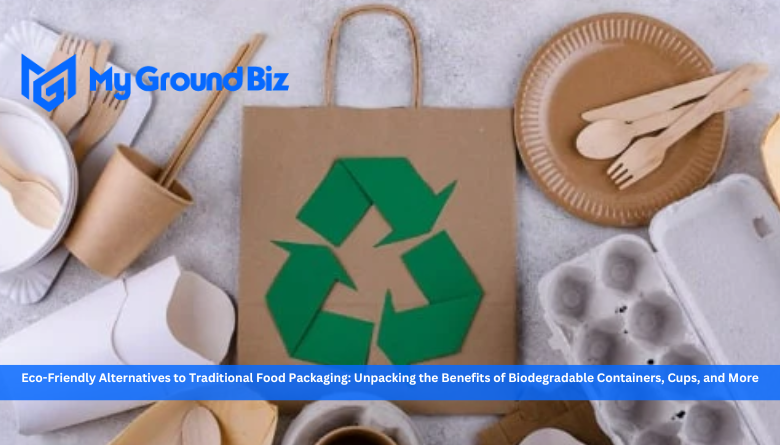
The food service industry is at a critical juncture where sustainability is not just a buzzword but a necessity. As consumers become more environmentally conscious, businesses are re-evaluating their approaches to food packaging. Gone are the days when single-use plastics were the only option. Today, a revolution is taking place in the realm of sustainable packaging solutions, particularly within the landscape of the food service industry in Australia. This article explores the myriad benefits of switching to eco-friendly alternatives like biodegradable containers, cups, and other packaging solutions.
Why Sustainable Packaging?
Sustainability in packaging is more than just a moral or ethical choice; it’s a business imperative. Traditional plastic food packaging has contributed to significant environmental pollution, as it often ends up in landfills or the ocean, taking centuries to decompose. Sustainable packaging, on the other hand, offers solutions that are not only better for the environment but can also enhance a brand’s image and cater to the growing market of eco-aware consumers.
Biodegradable Containers: The Heart of Green Packaging
The food service industry has traditionally used a variety of plastic containers for its convenience and durability. However, the world is shifting towards greener alternatives. Biodegradable containers are made from plant-based materials like cornstarch, sugarcane, or potato starch, which break down significantly faster than their plastic counterparts. The takeaway boxes made from such materials not only decompose in a more eco-friendly manner but are just as convenient and effective for both hot and cold foods.
Advantages of Biodegradable Food Containers
Biodegradable food containers offer numerous advantages over standard plastic packaging. They reduce carbon footprint and minimise waste, contributing to a healthier planet. Moreover, they can be composted, returning nutrients back to the earth and enriching soil. This creates a closed-loop system that supports sustainability from production to disposal.
Disposable Coffee Cups Get a Green Makeover
The Australian love for a good cup of coffee is well-documented, but the environmental impact of traditional disposable coffee cups has been a growing concern. Most disposable cups are lined with plastic, which makes them difficult to recycle and detrimental to the environment when discarded improperly. The move towards biodegradable and compostable coffee cups has begun to transform the industry, offering a guilt-free enjoyment of our favourite brews.
Using eco-friendly disposable coffee cups can reduce reliance on plastic, lower toxic emissions during production, and ensure that cups can break down naturally without harming wildlife or ecosystems. They can also foster a positive brand image, showcasing a commitment to sustainability that resonates with customers.
The Impact of Choosing Sustainable Packaging
Opting for environmentally responsible packaging echoes far beyond the immediate benefits. It can influence the entire supply chain to adopt better practices, encourage innovation in packaging design, and prompt other industries to consider their environmental impact. By selecting biodegradable options like sustainable takeaway boxes and coffee cups, the food service industry can lead by example and make a substantial impact on waste reduction.
Consumer Perception and Market Trends
The shift towards sustainable packaging mirrors changing consumer perceptions. The market demand for eco-friendly options is increasing, as customers actively seek out businesses that align with their values. There is a growing preference for products with minimal environmental impact, and businesses adopting green packaging solutions can tap into this burgeoning market segment.
Cost-Effectiveness of Sustainable Packaging
While there might be an assumption that greener alternatives come with a higher price tag, in the long run, sustainable packaging can be cost-effective. Investing in higher-quality, eco-friendly materials can reduce the overall consumption of single-use packaging, lower long-term operating costs, and potentially provide tax incentives for sustainable business practices.
Challenges and the Path Forward
Despite the clear benefits of eco-friendly packaging, challenges such as public awareness and regulatory standards still need to be addressed. However, with ongoing technological advancements and increased interest from the public and private sectors, these challenges are becoming easier to overcome. The path forward for the food service industry is clear—embrace sustainability, innovate, and stay ahead of the curve.
Making the Switch to Sustainable Packaging
Transitioning to sustainable packaging like biodegradable containers and cups requires a thoughtful approach. Businesses need to consider the origins of the materials, the manufacturing process, and the end-of-life disposal. Engaging with reputable suppliers of sustainable packaging solutions can facilitate this switch while minimising disruptions to service.
For companies ready to embrace change, the adoption of sustainable packaging is more than just an ethical decision; it is a strategic move towards longevity and relevance in an industry that is increasingly defined by its environmental footprint. By choosing takeaway boxes, disposable coffee cups, and other products that reduce the impact on the planet, businesses can secure not only their market position but also the wellbeing of future generations.
In Conclusion
Australia’s food service industry is at a pivotal moment. Biodegradable containers, cups, and other sustainable packaging solutions offer a real opportunity for positive change. By making informed choices about packaging, foods service providers can enhance their sustainability credentials, meet consumer expectations, and contribute to a healthier planet. The future of food packaging is not just about what’s convenient—it’s about what’s responsible.