Bracing for the Storm: Is Your Roof Ready for a Hurricane?
Bracing for the Storm: Is Your Roof Ready for a Hurricane?

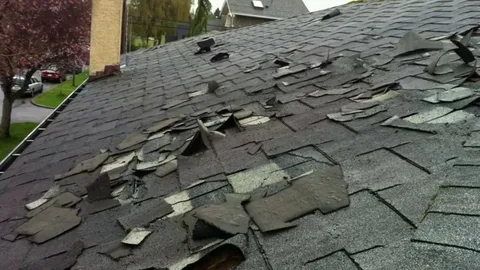
When hurricane season looms over Tampa Bay, homeowners often ask whether their roof can withstand the challenge. While many aspects of hurricane preparedness demand attention, the condition and strength of your roof play a central role in safeguarding your home. Assessing your roof’s readiness can mean minor cleanup, extensive repairs, or even complete roof replacement. In a region frequently visited by powerful storms, taking proactive steps to evaluate your roof is a wise investment in protecting your property.
Consider the Age and Material of Your Roof
One of the first indicators of potential vulnerability lies in the roof age. Most roofing materials have a defined lifespan. For example, asphalt shingles typically last around 20 to 25 years, while metal or tile roofs may extend beyond 40 years when maintained properly. If your roof is approaching or has surpassed its expected service life, it may not offer the structural integrity needed during high winds and heavy rainfall. Materials also matter. Some, like architectural shingles and metal roofing, offer stronger resistance against wind uplift than older, thinner alternatives.
Look for Loose or Damaged Shingles
Visual inspection can reveal warning signs that should not be overlooked. Missing, curling, or cracked shingles weaken the roof’s barrier and allow wind-driven rain to penetrate the underlying structure. During a hurricane, strong gusts can exploit these weak spots, peeling back large sections of roofing material or exposing the underlayment and sheathing. Homeowners who notice granule loss on shingles or exposed nails should seek a professional opinion, as these are indications that repairs or replacement may be in order.
Check for Leaks or Water Stains Indoors
The inside of your home can provide clues to the health of your roof. Water stains on ceilings, bubbling paint, or discolored walls can all suggest leaks that stem from roofing failures. These indicators suggest that water is already passing through the roof’s protective layers, compromising the structure over time. Left unaddressed, even small leaks can escalate during hurricane conditions, leading to mold growth, insulation damage, and costly interior repairs.
Examine Flashing and Roof Edges
Typically made of metal, flashing is used around vents, chimneys, skylights, and valleys to direct water away from seams and joints. Damaged or corroded flashing presents a vulnerability in high winds and should be inspected for lifting, rust, or separation from the roof. Likewise, the edges of the roof are particularly susceptible to wind damage. If the perimeter is not securely fastened and sealed, hurricane-force winds can lift shingles and cause extensive peeling. Reinforcing these areas with appropriate hardware and sealant can significantly enhance wind resistance.
Evaluate the Condition of the Roof Decking
While not visible without a deeper inspection, the roof decking beneath the surface materials must be solid and intact. Over time, moisture intrusion or improper installation can cause warping, rot, or separation of the decking panels. These weaknesses may not become apparent until a storm pressures the structure. A professional roofing contractor can perform an inspection to assess the condition of the decking and determine if reinforcement or replacement is warranted.
Consider Upgrades for Storm Protection
Modern technology offers several enhancements to improve a roof’s performance during severe weather. Hurricane straps or clips can more effectively secure the roof to the underlying structure, while secondary water barriers provide an added layer of defense beneath the shingles. These upgrades are particularly beneficial for older homes not built to current building codes. In some cases, investing in these enhancements during a roof repair or replacement project can provide greater long-term security and peace of mind.
Protecting What Matters Most
In Tampa Bay, where the threat of hurricanes is a seasonal reality, evaluating the condition of your roof is a responsible measure. Signs of aging, visible wear, and overlooked maintenance can expose your home when a storm arrives. Whether your home needs minor repairs or a complete roof replacement, addressing concerns before hurricane season can reduce risk and protect your investment. For professional assessments, repairs, or a new roof installation tailored to withstand Florida’s climate, consider contacting Avatar Roofing for trusted service and peace of mind.


