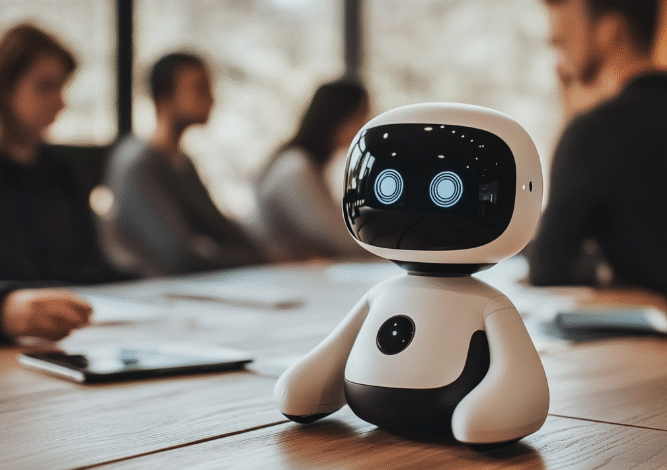
Healthcare providers spend nearly half their workday on documentation, with studies showing clinicians dedicate up to 16 minutes per patient encounter just on note-taking. This administrative burden has reached crisis levels, contributing to alarming rates of burnout that affect over 50% of physicians and nurses. Beyond the toll on providers, excessive documentation time means less face-to-face interaction with patients, while rushed manual entries increase the risk of costly errors that compromise care quality. AI note takers are emerging as a transformative solution, leveraging advanced speech recognition and natural language processing to automate clinical documentation. These intelligent tools promise significant efficiency gains by reducing documentation time by up to 70%, while simultaneously improving note accuracy and completeness. By capturing conversations in real-time and generating structured clinical notes automatically, AI note takers allow healthcare professionals to focus on what matters most: delivering exceptional patient care. The question is no longer whether AI can enhance your documentation process, but rather, can you afford to continue without it?
The Documentation Crisis in Healthcare: Why Change is Vital
The numbers paint a stark picture of healthcare’s documentation problem. Primary care physicians spend an average of 5.9 hours daily on electronic health record tasks, with only 5.1 hours in direct patient care. For every hour of patient interaction, clinicians spend nearly two additional hours on documentation and administrative work. This imbalance has profound consequences beyond mere inconvenience.
Manual note-taking introduces significant error risks that compromise patient safety. Illegible handwriting, missed details during hurried consultations, and transcription mistakes contribute to medical errors that affect approximately 7 million patients annually. When providers rush through documentation to see more patients, critical information falls through the cracks—medication allergies go unrecorded, symptoms get abbreviated beyond recognition, and treatment histories become incomplete puzzles.
The burnout epidemic plaguing healthcare stems directly from this administrative overload. Over 63% of physicians report at least one symptom of burnout, with excessive documentation cited as a primary contributor. This exhaustion doesn’t just affect providers—it degrades patient outcomes, increases turnover costs exceeding $1 million per physician, and drives talented clinicians to early retirement. Healthcare systems hemorrhage resources maintaining inefficient documentation workflows while simultaneously losing their most valuable asset: experienced medical professionals who can no longer sustain the administrative burden.
Beyond Transcription: How Modern AI Note Takers Create Smart Notes
From Raw Audio to Structured Documentation
Modern AI note takers begin with sophisticated speech recognition engines trained specifically on medical conversations. These systems distinguish between similar-sounding terms like “hypertension” and “hypotension” by analyzing contextual clues within the dialogue. Advanced algorithms account for accents, speech patterns, and background noise typical in clinical settings, achieving transcription accuracy rates exceeding 95% for medical terminology.

The technology goes far beyond simple dictation by understanding medical acronyms and specialty-specific language. When a cardiologist mentions “CABG,” the system recognizes this as coronary artery bypass grafting and can automatically expand or maintain the abbreviation based on documentation preferences. Context-aware processing identifies whether “MS” refers to multiple sclerosis, mitral stenosis, or morphine sulfate by analyzing surrounding conversation elements. This semantic understanding transforms raw audio into clinically meaningful text that maintains professional standards without requiring manual cleanup.
Generating Actionable Insights from Conversations
AI note takers actively parse conversations to extract discrete clinical elements that structure comprehensive documentation. The system automatically identifies when providers discuss treatment plans, flagging specific medications with dosages, therapy recommendations, and lifestyle modifications as distinct action items. If a physician says “Let’s start metformin 500mg twice daily and schedule labs in three months,” the AI categorizes this as both a prescription order and a follow-up task.
These intelligent systems establish connections between patient-reported symptoms and clinical assessments, building logical documentation flow. When a patient describes chest pain and shortness of breath, and the provider orders an EKG and troponin levels, the AI links these elements into a cohesive diagnostic narrative. This relationship mapping ensures nothing gets lost in translation, creating notes that tell complete clinical stories rather than disjointed fragments of information.
Solving Healthcare Providers’ Core Needs with AI Documentation
Efficient Patient Note Management Workflows
AI note takers integrate directly with major EHR platforms through secure API connections, eliminating the double-entry problem that wastes countless hours. Once a consultation concludes, the system automatically populates designated fields in Epic, Cerner, or Athena with structured data—chief complaints flow into assessment sections, vital signs populate flowsheets, and treatment plans appear in order sets. This bidirectional sync retrieves existing patient information to provide context during encounters, ensuring providers reference current medications and recent lab results without navigating multiple screens.

Specialty-specific templates transform generic transcripts into documentation that meets distinct clinical requirements. A dermatologist’s template automatically structures notes around skin examination findings with body diagrams, while orthopedic templates emphasize range-of-motion measurements and imaging interpretations. Providers customize these frameworks to match their documentation style—some prefer SOAP format, others favor problem-oriented approaches. The AI learns individual preferences over time, adjusting terminology choices and section emphasis to mirror each clinician’s natural documentation patterns, reducing editing time from minutes to seconds.
Communication Enhancement Through AI Summarization
Generating referral letters becomes instantaneous when AI systems distill lengthy encounter notes into concise specialist communications. The technology identifies relevant clinical history, pertinent test results, and specific consultation questions while filtering out extraneous details. A 2,000-word primary care note transforms into a focused 300-word referral that highlights the cardiologist needs to know—recent chest pain characteristics, abnormal EKG findings, and failed medication trials—without burying critical information in unnecessary background.
Patient-facing visit summaries represent another communication breakthrough, with AI translating medical jargon into accessible language. Technical terms like “bilateral lower extremity edema” become “swelling in both legs,” while maintaining accuracy. These automated recaps include personalized action items—medication changes explained in plain language, specific lifestyle modifications with rationale, and clear follow-up instructions. Patients leave with written documentation they actually understand, improving adherence rates and reducing follow-up calls seeking clarification on treatment plans.
Mental Health Tools for Therapeutic Context
In behavioral health settings, AI note takers perform sentiment analysis that tracks emotional tone across therapy sessions, providing therapists with objective measures of patient progress. The system detects shifts in language patterns—increased use of positive descriptors, reduced catastrophic thinking phrases, or emerging hopeful statements—that signal therapeutic gains. When a patient consistently describes situations with less emotional intensity compared to earlier sessions, the AI flags this trend, giving clinicians quantifiable evidence that cognitive restructuring techniques are taking hold.
Longitudinal pattern recognition helps therapists identify recurring themes that might escape notice during individual sessions. If a patient mentions work stress in passing across five consecutive appointments, the AI highlights this persistent concern for targeted intervention. The technology also detects changes in speech characteristics like increased pauses, word-finding difficulties, or disorganized thought patterns that may indicate medication side effects or condition deterioration. These insights complement clinical judgment rather than replacing it, ensuring therapists catch subtle warning signs while maintaining the human connection essential to effective mental health treatment.
Implementation Roadmap: Adopting AI Note Takers Successfully
Evaluating Solutions: Security and Compliance Checklist
HIPAA compliance stands as the non-negotiable foundation when evaluating AI note takers. Verify that vendors provide Business Associate Agreements and maintain end-to-end encryption for data both in transit and at rest. Look for solutions with audit trails that log every access point and modification, ensuring accountability if breaches occur. Certification standards like HITRUST or SOC 2 Type II demonstrate that security practices undergo regular third-party verification rather than relying solely on vendor claims.
Integration capabilities determine whether an AI solution becomes a seamless workflow enhancement or another disconnected tool. Request technical specifications showing bidirectional API connections with your specific EHR version—generic “Epic compatible” claims often mask limited functionality. Test whether the system can pull patient context before encounters and push completed notes into correct chart sections without manual intervention. Evaluate mobile accessibility for providers who document across multiple locations, and confirm that offline functionality preserves notes when network connections fail.
Workflow Integration Best Practices
Phased rollout strategies prevent organizational chaos while building confidence in new technology. Start with a pilot group of three to five enthusiastic providers who document high patient volumes—their success stories become powerful adoption catalysts. Run parallel documentation for the first two weeks, allowing clinicians to compare AI-generated notes against their traditional methods without risking compliance gaps. Gather specific feedback on template accuracy, terminology preferences, and integration friction points before expanding to additional departments.
Effective training protocols extend beyond single orientation sessions to ongoing support structures. Conduct hands-free demonstrations showing real clinical scenarios rather than scripted examples, letting staff see how the AI handles interruptions, multiple speakers, and complex medical discussions. Designate superusers within each department who receive advanced training and serve as first-line troubleshooters. Schedule brief refresher sessions at 30 and 90 days post-implementation to address emerging questions and share optimization techniques discovered by early adopters. Solutions like Owll AI offer specialized training resources that help clinical teams adapt to AI transcription workflows while maintaining documentation quality standards.
Measuring Success Metrics
Time-savings benchmarks provide concrete evidence of return on investment when tracked systematically. Measure baseline documentation time per encounter type before implementation, then compare against post-adoption averages at 30, 60, and 90-day intervals. Track not just note completion time but also after-hours charting—many providers discover they reclaim entire evenings previously spent finishing documentation. Calculate the financial impact by multiplying time saved per provider by hourly compensation rates, demonstrating how efficiency gains justify technology costs within months.
Patient satisfaction metrics reveal whether reduced documentation burden translates into improved care experiences. Monitor patient survey responses regarding provider attentiveness and communication quality, watching for increases in ratings about feeling heard and understood. Track appointment adherence rates and patient portal engagement, as clearer visit summaries typically improve follow-through on treatment plans. Measure clinical outcome indicators relevant to your specialty—better-documented chronic disease management often correlates with improved A1C levels, blood pressure control, or symptom reduction scores that validate the technology’s ultimate purpose of enhancing patient care.
The Future of Clinical Documentation
AI note takers have evolved from experimental technology into essential efficiency tools that address healthcare’s most pressing documentation challenges. These intelligent systems deliver measurable benefits that extend far beyond simple time savings—they reduce clinician burnout by reclaiming hours previously lost to administrative tasks, improve documentation accuracy by eliminating transcription errors and capturing complete clinical narratives, and ultimately enhance patient care by allowing providers to maintain eye contact and genuine connection during encounters. The technology’s ability to generate structured notes, identify treatment patterns, and facilitate seamless communication represents a fundamental shift in how healthcare professionals approach clinical documentation.
As AI capabilities continue advancing, these tools will become increasingly sophisticated in understanding clinical nuances, predicting documentation needs, and integrating with emerging healthcare technologies. The providers who adopt AI note takers today position themselves at the forefront of this innovation wave, gaining competitive advantages in efficiency, care quality, and professional satisfaction. The documentation crisis won’t resolve itself through willpower or marginal process improvements—it demands technological intervention that matches the complexity of modern healthcare delivery. Evaluate AI note-taking solutions now, pilot them with your team, and measure the impact on your practice. The question isn’t whether AI will transform clinical documentation, but whether you’ll lead or follow this inevitable evolution.