Activated Alumina: The Unsung Hero in Pollution Control Technologies
Activated Alumina: The Unsung Hero in Pollution Control Technologies

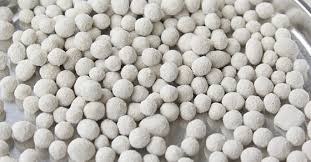
Activated Alumina: The Unsung Hero in Pollution Control Technologies
Activated alumina, a versatile and highly effective adsorbent, is one of the most essential components of modern pollution control technologies. While it is one of the less-discussed solutions, it is crucial for the overall success of the project. This article explores how activated alumina contributes to the reduction of several pollutants in the environment and the importance of activated alumina suppliers in improving these technologies.
Essential Properties
Activated alumina is characterized by a porous structure and a large surface area, which ensures its high adsorption activity with respect to various chemicals. It is especially used in the removal of fluoride, arsenic and selenium and is therefore an essential part of water treatment industries. It can adsorb these substances because it has a large surface area to volume ratio, which gives more places for adsorption to happen.
Role in Water Treatment
In the water treatment industry, activated alumina is used to filter drinking water and eliminate fluoride and other dangerous substances. This not only makes the water safe for consumption and use but also assists in meeting the requirements of health and environmental organizations globally. Activated alumina is particularly effective in the removal of fluoride, which is why it is widely used in areas where the water supply contains high levels of fluoride.
Air Purification Applications
Activated alumina is also used in purification of air where it helps in the elimination of sulfur oxides, hydrogen sulfide and other volatile organic compounds from the air. These capabilities make it an essential tool in industrial applications where it is used to regulate emissions and enhance air quality. Its application in gas drying systems where it is used to dry air to prevent corrosion and degradation of equipment also supports its versatility.
Collaboration
It is therefore important to note that the efficiency of pollution control systems depends on the quality of the activated alumina used. This is where the relationship between activated alumina manufacturers plays a crucial role. These suppliers assist manufacturers in creating more efficient pollution control systems by providing a constant stream of high-quality activated alumina. This collaboration is crucial for the development of new technologies and for addressing the changing requirements of the pollution control sector.
Future Prospects
In the future, the application of activated alumina in pollution control is expected to become more important. With increasing environmental standards and the increasing consciousness of the global populace towards sustainability, the need for efficient pollution control such as activated alumina is likely to increase. This trend is beneficial for activated alumina suppliers to increase their market share and for manufacturers to look for new possibilities and innovations.
In conclusion, activated alumina is a silent worker in the field of pollution control and has a wide range of uses in water and air treatment plants. Its function, backed by the strong network of activated alumina suppliers and manufacturers, is vital in the development of environmental technologies and the creation of a safer world for the generations to come. With advancement in technology, there are more and diverse ways of using activated alumina in pollution control and hence, more benefits towards environmental sustainability.