


When it comes to Episcopal dress, the rochet stands out as an essential garment that has been worn for centuries. But what exactly is a rochet, and why is it so important in Episcopal tradition? In this blog post, we’ll explore the significance of the rochet, its history, and how it fits into the broader context of clergy attire for women. Whether you’re curious about the history of church garments or seeking to learn more about how clergy attire has evolved, this post is for you.
Understanding the Rochet: What Is It?
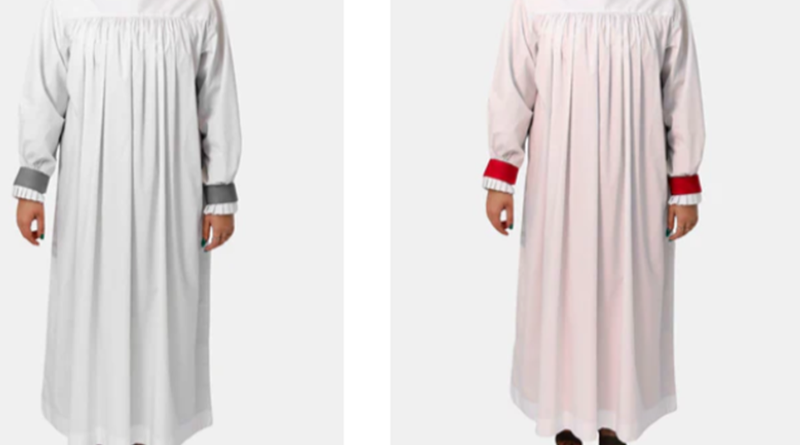
The rochet is a distinctive garment worn by clergy, particularly within the Anglican and Episcopal traditions. It is often associated with bishops but can be worn by other clergy members on certain occasions. The rochets are similar in appearance to a surplice but is usually made from finer materials such as linen or cotton. It is a white, knee-length garment with long sleeves that are often gathered at the wrist.
One of the key features of the rochet is its simplicity. Unlike other clergy garments that may be heavily adorned or embroidered, the rochet is typically plain, which highlights its role as a symbol of purity and humility. The rochet’s design has remained largely unchanged over the centuries, reflecting its deep roots in tradition.
For women in the clergy, the rochet holds special significance. It is one of the garments that bridge the gap between traditional clergy attire and more modern expressions of faith. While the rochet itself is a traditional garment, its simplicity allows it to be worn in various ways, making it a versatile choice for women in the clergy.
The Historical Roots of the Rochet
The history of the rochet dates back to the early days of the Christian church. It evolved from the alb, a long white garment worn by clergy during liturgical services. The alb itself has its origins in the everyday clothing of the Roman Empire, but over time, it became a distinct garment reserved for religious use.
As the Christian church grew and developed, different garments emerged to signify various roles and ranks within the clergy. The rochet became particularly associated with bishops and other high-ranking clergy members. Its use was codified in church law, and it became an important part of the Episcopal vestments.
For women in the clergy, the history of the rochet is intertwined with the broader history of women’s roles in the church. As women have increasingly taken on leadership roles within the church, the rochet has become a symbol of their authority and commitment to their faith. While the rochet was originally worn by men, its adoption by women in the clergy reflects the changing dynamics of church leadership and the growing recognition of women’s contributions to the faith.
The Rochet’s Role in Episcopal Worship
In Episcopal worship, the rochet plays a crucial role. It is typically worn during formal liturgical services, such as the Eucharist, ordinations, and other significant religious ceremonies. The rochet is often worn under the chimere, a sleeveless garment that is also part of Episcopal vestments. Together, the rochet and chimere create a distinctive look that is instantly recognizable within the Anglican and Episcopal traditions.
For women in the clergy, the rochet serves as a visible sign of their role within the church. It is a garment that conveys authority and respect, while also emphasizing the spiritual purity that is central to the clergy’s mission. The simplicity of the rochet allows it to be worn with a variety of other garments, making it a versatile piece of clergy attire for women.
The rochet’s role in worship is not just about appearance; it also has a deep symbolic meaning. The white color of the rochet represents purity, while its simple design reflects the humility that is expected of clergy members. By wearing the rochet, women in the clergy are visibly aligning themselves with the traditions and values of the Episcopal Church.
How the Rochet Has Evolved Over Time
While the basic design of the rochet has remained consistent over the centuries, there have been some changes in how it is worn, especially by women in the clergy. Traditionally, the rochet was worn exclusively by bishops, but today, it is more widely used by other clergy members as well. This broader adoption of the rochet reflects the evolving nature of clergy roles and the increasing inclusion of women in these positions.
One of the most significant changes in the rochet’s use has been its adaptation for women in the clergy. As women have taken on more prominent roles within the church, there has been a need to adapt traditional garments to better suit their needs. The rochet, with its simple and versatile design, has been an ideal garment for this purpose. Some modern versions of the rochet feature slight modifications, such as a more tailored fit, to accommodate the different needs of women in the clergy.
These changes are a reflection of the broader changes within the Episcopal Church, where there is a growing emphasis on inclusivity and diversity. The rochet’s evolution mirrors these changes, as it has become a garment that is not only rooted in tradition but also responsive to the needs of contemporary clergy members.
A Symbol of Tradition and Modernity
The rochet is a unique garment because it represents both tradition and modernity. On the one hand, it is deeply rooted in the history of the Christian church, with a design that has remained largely unchanged for centuries. On the other hand, its adoption by women in the clergy and its continued use in contemporary worship highlight its relevance in today’s church.
For women in the clergy, the rochet is a symbol of their connection to the church’s rich history, as well as their role in shaping its future. By wearing the rochet, they are participating in a tradition that dates back to the earliest days of the church, while also asserting their place in the modern Episcopal Church.
The rochet’s blend of tradition and modernity makes it a powerful symbol of the continuity and change within the church. It is a garment that honors the past while also embracing the present and future, making it an essential part of clergy attire for women today.
How to Choose the Right Rochet for Women Clergy?
When it comes to choosing a rochet, there are several factors to consider, especially for women in the clergy. The first consideration is the material. Traditionally, rochets are made from fine linen or cotton, but modern versions may also be made from other fabrics that are easier to care for. The choice of material can affect the look and feel of the rochet, so it’s important to choose one that is comfortable and appropriate for the setting in which it will be worn.
Another important consideration is the fit. While traditional rochets are often loose-fitting, some modern versions are more tailored to suit the needs of women in the clergy. A well-fitting rochet can enhance the overall appearance of the clergy attire and ensure that the wearer feels comfortable and confident during services.
It’s also important to consider the occasion when choosing a rochet. For more formal services, a traditional rochet made from high-quality materials may be appropriate, while a simpler version may be suitable for less formal occasions. The versatility of the rochet makes it a practical choice for a wide range of settings, but it’s important to choose the right one for each occasion.
Finally, women in the clergy should consider how the rochet will be worn with other garments. The rochet is often worn with a chimere or other clergy vestments, so it’s important to choose a rochet that complements these other pieces. By carefully considering these factors, women in the clergy can choose a rochet that not only meets their needs but also enhances their overall appearance during services.
The Rochet in Today’s Episcopal Church
In today’s Episcopal Church, the rochet continues to play an important role in clergy attire for women. It is a garment that connects the present-day church with its historical roots, while also adapting to the needs of modern clergy members. The continued use of the rochet by women in the clergy is a testament to its enduring significance and versatility.
As the Episcopal Church continues to evolve, the rochet remains a symbol of continuity and tradition. It is a garment that reflects the church’s commitment to its heritage while also embracing the changes that come with modernity. For women in the clergy, the rochet is more than just a piece of clothing; it is a symbol of their role within the church and their connection to a long and rich tradition.