


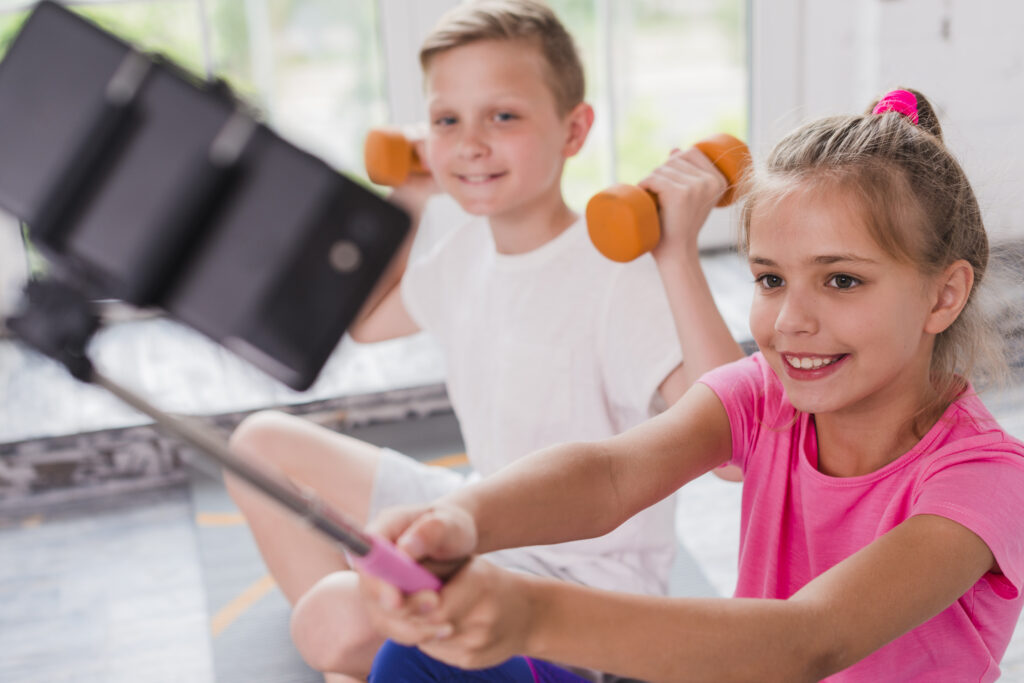
Today’s children grow up surrounded by screens—tablets for learning, phones for chatting, and consoles for gaming. While technology brings convenience, it often replaces opportunities for physical activity and real-world social connection. Parents are noticing the signs: shorter attention spans, decreased focus, and increased stress or anxiety. Many are now searching for activities that nurture confidence, balance energy, and build lasting discipline.
This has led to a growing interest in traditional practices that emphasize focus, movement, and respect. Among these, martial arts have stood out as both ancient and surprisingly modern in their relevance. Karate, in particular, offers more than just punches and kicks— it provides an enduring system of personal growth that helps children thrive both mentally and physically.
Building Confidence from Within
Children who train in martial arts quickly discover that progress doesn’t depend on competition or comparison. Instead, it relies on a personal journey of improvement. Each belt earned or skill mastered reinforces patience and persistence. What’s more, the emphasis on effort rather than outcomes helps young learners understand that failure isn’t final—it’s part of learning.
This mindset can have ripple effects beyond the dojo. Kids apply the same perseverance in school, music, or sports, knowing that steady effort gradually leads to success. Over time, their confidence grows—not because of external validation, but because they’ve proven to themselves that they can overcome challenges.
Discipline Without Pressure
Unlike many fast-paced activities, martial arts encourage children to slow down, breathe, and focus. In an age of constant distraction, this focus can be transformative. Through structured movements and repetitive practice, children learn self-discipline naturally rather than through strict rules or fear of punishment.
Parents often report seeing changes at home: calmer moods, better listening, and a new sense of responsibility. When physical activity and mindfulness blend, kids begin to regulate emotions more efficiently, an ability that can carry them into adolescence and beyond.
Strength in Body and Mind
While the mental benefits of martial arts are well known, the physical rewards are just as meaningful. Training strengthens core muscles, improves coordination, and boosts flexibility. Balance, agility, and endurance develop through repetition, and these physical foundations translate into better posture and confidence in any movement.
Some children who struggle in team sports find empowerment in an individual practice where progress is self-paced. The physical and mental development intertwine—the more they train, the more control they have over both their bodies and emotions, creating a powerful sense of harmony.
This harmonious blend of discipline, focus, and strength explains why many families now explore karate classes for kids to channel youthful energy into something purposeful. The practice nurtures not only fitness but also a life philosophy—one that respects self-control, humility, and perseverance.
The Gift of Emotional Intelligence
As children grow, they encounter increasing emotional complexity—from friendship dynamics to school pressure. The rituals of martial arts instill emotional intelligence early on. Bowing before practice, showing respect to instructors, and cooperating with peers all become opportunities for empathy and understanding.
Kids learn to manage frustration when they can’t perform a move immediately. They experience pride in effort rather than perfection. Instructors often serve as role models for resilience and respect, creating a strong social foundation for emotional growth.
A Modern Balance for Modern Kids
Parents often face a tough question: how much structure should childhood have? Too many scheduled activities can feel overwhelming, but too much unstructured screen time can hinder development. Martial arts achieves a natural balance—it is structured yet freeing, disciplined yet creative.
Beyond the mats, the lessons learned stay with children for years. They stand taller, speak more respectfully, and handle conflicts with maturity. This quiet strength gives them an edge in a world where quick reactions and distractibility have become the norm.
Moving Toward Lifelong Values
Ultimately, martial arts is not about fighting but about building harmony between mind and body. It teaches respect for others, awareness of surroundings, and a sense of gratitude
toward learning itself. These principles shape how kids interact with the world long after their first class ends.
In a generation increasingly shaped by digital noise, the martial arts mindset stands as a calm counterbalance. When parents choose such a path for their children, they’re equipping them with skills that outlast childhood—self-discipline, empathy, and confidence that no screen can teach.