


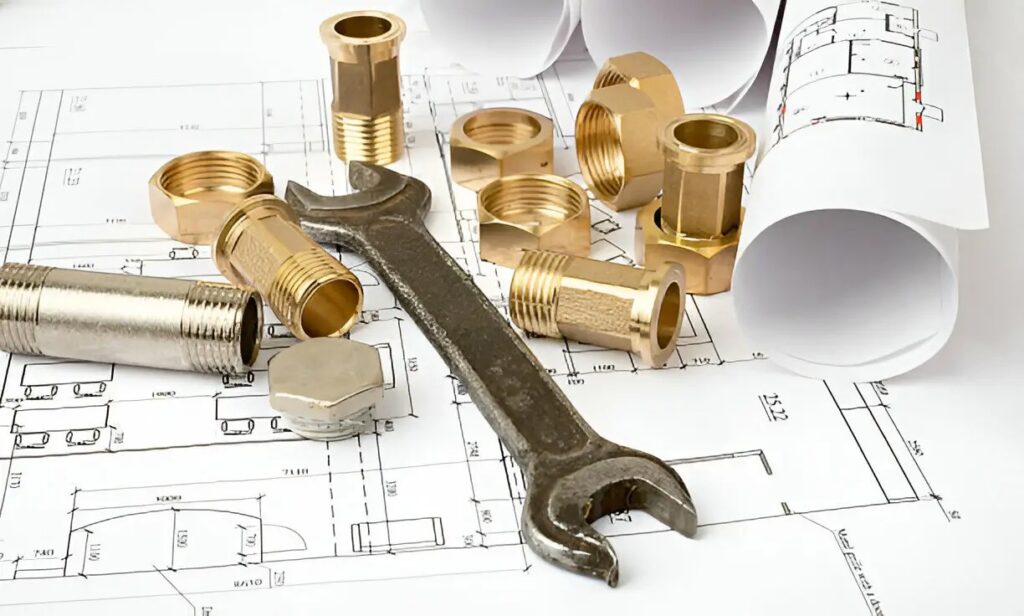
Construction industry in USA is diverse, with a wide range of projects that vary in size, scope and complexity. Contractors often face challenge of estimating cost of a project accurately, which is a critical part of planning process. When it comes to comparing commercial and residential projects, one common question arises: which type of project is more difficult to estimate?
Both commercial and residential projects come with their own unique challenges. Importance of using professional construction estimating services NYC ensure accurate cost estimates, whether a contractor or a builder is working on a residential or commercial project.
Key Differences Between Commercial and Residential Projects
Before diving into complexities of cost estimation, it’s important to understand fundamental differences between commercial and residential construction.
1. Scope and Size:
– Residential Projects: These typically include single-family homes, townhouses and smaller apartment buildings. scope of work is usually limited to structure itself and basic amenities.
– Commercial Projects: These involve larger structures such as office buildings, shopping centers and industrial facilities. scope often extends beyond just building and includes parking lots, elevators, HVAC systems and more.
2. Building Codes and Regulations:
– Residential projects tend to follow simpler guidelines of local building authorities, but contractors still need to adhere to specific safety standards.
– Commercial Projects: These require more comprehensive compliance with federal, state and local regulations, especially in areas like fire safety, accessibility and energy efficiency. These rules are stricter and often require specialized knowledge.
3. Materials and Labor:
– Residential Projects: materials used in residential construction are typically more standard, with a focus on comfort and aesthetics. Labor requirements are also less specialized, though skilled workers are still necessary.
– Commercial Projects: These projects often require more durable and high-performance materials. For example, steel framing and industrial-strength HVAC systems are common in commercial construction. Specialized labor is usually needed, which can complicate cost estimates.
Why Commercial Projects Are More Difficult to Estimate
When comparing commercial and residential projects, commercial projects are generally more challenging to estimate accurately. Here’s why:
1. Larger Scope and Scale
Commercial projects are much larger in scale than residential ones. A single commercial building might require multiple floors, extensive electrical and plumbing systems and custom features like elevators or large HVAC units. All of this adds complexity to cost estimation process.
For contractors, getting a clear picture of what materials, labor and time are required becomes more difficult as project grows. larger scope also means a higher likelihood of unforeseen issues, which can drive up costs unexpectedly.
Using professional construction estimating services NYC is crucial for commercial projects. Estimators provide detailed estimates and take into account various elements of a commercial build, ensuring nothing is left out. For example, they account for complex systems, specialized labor and potential need for permits and inspections, all of which contribute to total cost.
2. Complex Building Systems
Unlike residential projects, commercial buildings require more sophisticated systems to meet needs of businesses and employees. Commercial projects typically include advanced electrical systems, complex HVAC units, high-capacity plumbing and sometimes specialized equipment like fire suppression systems or large-scale elevators.
These systems are not only expensive but also more difficult to estimate because they require input from various specialists. Contractors may need to work with mechanical engineers, electricians and plumbers to get accurate cost breakdowns. This added layer of complexity makes commercial cost estimation more challenging.
Utilizing construction takeoff services can help in this regard. Takeoff services provide an accurate number of materials needed for all parts of project. By getting an exact material list, contractors can avoid costly mistakes such as ordering too much or too little, which is especially important for high-priced systems in commercial construction to avoid over ot under bidding as well.
3. Stringent Regulations and Permits
Commercial construction is subject to stricter regulations than residential projects. For example, a commercial building must comply with accessibility standards like Americans with Disabilities Act (ADA) and fire safety regulations that are often far more demanding than those for residential structures.
Contractors must account for costs associated with meeting these regulations, which can vary depending on project’s location and scope. This adds complexity to estimation process because non-compliance can result in fines, delays, or need for costly revisions.
Commercial projects often require multiple permits and each permit comes with fees and time delays. Estimating these additional costs and potential for regulatory roadblocks can be a difficult task without professional help. This is where construction estimating services play a vital role, as they can provide expertise in navigating these regulations and accurately factoring in costs associated with permits and compliance.
Why Residential Projects Can Still Be Challenging
Although commercial projects are generally more complex to estimate, residential projects are not without their challenges.
1. Customization and Client Expectations
Many residential projects involve customization, where homeowners request specific designs, materials, or features. This can make estimating difficult, as custom features often come with unpredictable costs. Homeowners might also change their minds mid-project, leading to adjustments in estimate.
2. Smaller Budgets
Residential projects usually have smaller budgets than commercial ones, meaning that any miscalculation in estimate can have a more significant impact. Contractors working on tight budgets need to be extremely accurate with their cost estimations to avoid going over budget.
3. Local Regulations
While commercial projects are subject to stricter regulations, residential projects still need to comply with local building codes and zoning laws. These regulations can vary by region and failure to comply can lead to costly delays.
Conclusion
In conclusion, estimating commercial projects is generally more difficult than residential ones due to larger scale, complex building systems, stringent regulations and longer timelines. However, residential projects can still pose challenges, particularly when it comes to customization and staying within a tight budget.
Whether working on a commercial or residential project, contractors can benefit greatly from using construction takeoff services. These professional services provide detailed, accurate estimates that help contractors manage costs, avoid surprises and ensure project stays on track.