


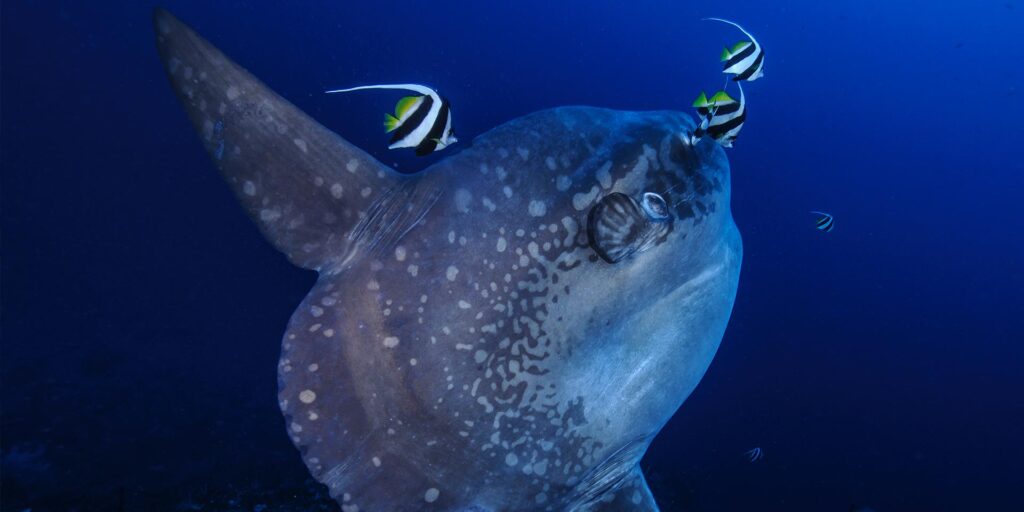
Ever wondered when to dive and see the amazing sunfish, or Mola Mola, in Bali’s clear waters? Dive into our guide to learn about these incredible creatures and when they appear in Bali’s stunning marine spots.
Secrets to See Sunfish in Bali
- The peak season for sunfish sightings in Bali is from July to mid-October, with the best months being August and September.
- Dive sites such as Crystal Bay in Nusa Penida are prime locations to observe these magnificent creatures.
- A minimum of Advanced Open Water certification is recommended due to the deep, current-heavy dive conditions.
- Responsible diving practices ensure successful and sustainable encounters with the typically timid sunfish.
- Traveling to Nusa Penida or Nusa Lembongan for diving requires a ferry or speedboat journey from the main island of Bali.
Need to Know About Sunfish
The sunfish, also known as Mola Mola, is a fascinating ocean creature. It has a unique look and plays a big role in the ocean. Let’s explore what makes it so special.
What is Sunfish?
Sunfish, or Mola Mola, have a disk-like body. This makes them stand out in the ocean. They are also the heaviest bony fish, with big dorsal and ventral fins.
How Big Can a Sunfish Get?
Sunfish can grow big. The biggest one, the ocean sunfish, can be 3.3 meters long. They can also be 4.2 meters wide and weigh up to 2,300 kilograms. Seeing them in the wild is a rare treat for divers.
What is the Behavior of a Sunfish?
Mola Mola is known for being calm. They often visit places where cleaner fish help remove parasites from their skin. They swim slowly and sometimes jump out of the water, which is amazing to see.
What Do Sunfish Eat?
Sunfish eat jellyfish, small fish, zooplankton, and algae. They swim slowly to find food. This helps them hunt effectively.
Are Sunfish Dangerous?
Sunfish are not dangerous to people. They are shy and avoid divers. But, they can get stressed if there are too many bubbles or if divers move too fast.
How many Sunfish are Left in The World?
The number of sunfish is hard to count. But, their numbers are going down. This is because of fishing and other threats. They are considered Vulnerable, so we need to protect them.
| Characteristic | Details |
| Size | Up to 3.3 meters in length, 4.2 meters across fins, and 2,300 kg in weight |
| Diet | Jellyfish, small fish, zooplankton, and algae |
| Behavior | Docile, cleaning station visits, occasional water leaps |
| Population Status | Vulnerable, declining due to bycatch and habitat threats |
Dive Sites to See Sunfish in Bali
Bali is a paradise for Bali dive sites where you can see sunfish sightings. Each place offers a unique underwater adventure. Let’s explore some of the sunfish Bali sites!
Blue Corner
Blue Corner in Nusa Lembongan is famous for Mola Molas. It’s for experienced divers due to its fast currents. Seeing sunfish here is a big reward for the effort.
Manta Point
Manta Point in Nusa Penida is known for Manta Rays. But, you can also see Mola Molas at the Manta Point cleaning station. Divers often see both manta rays and sunfish in one dive.
Crystal Bay
Crystal Bay diving is unforgettable. The site in Nusa Penida has clear water, up to 40 meters deep. It’s great for spotting sunfish.
Gili Mimpang and Tepekong
Gili Mimpang and Tepekong near Padang Bai are thrilling for Mola Mola sightings. These spots have colder waters, making sunfish sightings easier. Tepekong is famous for seeing up to 18 Mola Molas in one dive.
Bali’s dive sites offer a chance to see sunfish up close. Whether you’re an experienced diver or just starting, you’ll find something special here.
| Dive Site | Diver Level | Key Attraction |
| Blue Corner | Advanced | Strong Currents & Sunfish |
| Manta Point | Intermediate | Cleaning Station |
| Crystal Bay | Advanced | Visibility & Sunfish |
| Gili Mimpang and Tepekong | Advanced | Cold Waters & High Sightings |
Why Bali is the Best Place to See Sunfish?
Bali is a top spot for sunfish sightings. It has great diving conditions and a rich marine life. Sunfish often visit cleaning stations here. The island’s location in Indonesia’s Coral Triangle adds to its beauty, with a perfect climate for diving all year.
Bali is perfect for sunfish spotting, especially in Nusa Penida.
The rich marine biodiversity around Bali also makes it an ideal spot for diving enthusiasts. Sunfish sightings are often accompanied by encounters with manta rays, colorful coral reefs, and various tropical fish. The combination of stunning underwater scenery and the rare opportunity to see sunfish makes Bali a top destination for marine life lovers.
| Site | Special Features |
| Blue Corner | Strong currents, Suitable for experienced divers, Sunfish sightings |
| Crystal Bay | Popular for sunfish sightings, moderate currents, Beginner to Intermediate levels |
| Gili Tepekong | Record of spotting 18 Mola Mola in one dive |
Best Time to See Sunfish in Bali
Planning to dive with sunfish in Bali? Timing is key. The ‘Sunfish Session’ is from July to November. This is when the water cools down, making sunfish more likely to be seen in shallower waters.
Sunfish Session
The ‘Sunfish Session’ is from July to November. It’s the best time to see sunfish in Bali. Divers go to places like Nusa Penida and the Gili Islands to spot them. The cooler water draws them closer to the surface.
What time?
The best time to see sunfish is early morning. As the day warms up, they dive deeper. Diving at sunrise, when the water is coldest, increases your chances of seeing them.
What Temperature Do Ocean Sunfish Live in?
Sunfish prefer cooler waters, between 16°C and 20°C. This is why they’re more common from July to November. They can be found at depths of 5-15 meters, but often at 35-40 meters.
| Dive Sites | Optimal Viewing Season | Sunfish-Spotting Depths |
| Crystal Bay | July – November | 35-40 meters |
| Manta Point | August – September | 35-40 meters |
| Gili Tepekong | July – November | 5-15 meters |
For a chance to see sunfish, plan your dive during the optimal season. With the right timing and water conditions, your dive will be unforgettable.
Chances and Tips for Spotting Sunfish in Bali
Seeing a sunfish, or Mola Mola, while diving in Bali is a unique experience. To increase our chances, we need to know the best practices and conditions for spotting them.
Choosing the Right Dive Center
It’s important to pick a dive operator that focuses on safety and has a good track record of sunfish sightings. Places like Nusa Penida scuba diving have certified guides who know a lot about marine life, including sunfish. They follow a code of conduct for interacting with sunfish, which helps protect the ocean and its creatures.
Ideal Diving Conditions
The best conditions for seeing Mola Mola include clear water and temperatures between 18-24°C. It’s important to dive carefully to avoid disturbing them. To have a great experience, plan to dive several times over a few days and be ready for strong currents and deep dives.
- The best time to see sunfish runs from July to November.
- Dive centers limit the number of divers approaching sunfish to enhance the experience and follow safety protocols.
- Staying calm and maintaining a distance of 10 meters from the fish is recommended to avoid startling them.
By following these tips and choosing the right dive operator, we can have a successful and respectful wildlife experience. These guidelines help us enjoy sunfish while also helping to protect them and their habitat.
Now You Can See Sunfish in Bali!
Are you ready to dive into the world of sunfish in Bali? Our tips will help you find the best time to see them. The best months are July to November when the sea is cooler and full of nutrients. This makes it easier to spot these amazing creatures.
Dive sites like Crystal Bay, Gamat Bay, and Manta Point around Nusa Penida are the best places to see sunfish. They are key spots for any scuba diving trip in Bali.
Seeing sunfish in their natural habitat is truly exciting. For example, on July 20, 2024, at the Sental Dive Site, divers saw three sunfish at 37 meters. They were joined by bannerfish doing their cleaning ritual. This shows why sunfish, especially the Mola ramsayi species, are a big draw for diving in Bali.
A diving trip in Bali is not just about sunfish. You’ll also see a lively underwater world. From seeing fourteen sunfish in Gamat Bay to diving with a giant sunfish at Gili Tepekong, Bali’s dives are unforgettable. Let’s make sure to protect these amazing creatures and their homes.
Sunfish FAQ
When is the best time to see sunfish in Bali?
The best time to see sunfish in Bali is from July to November.
What do divers need to know about sunfish in Bali?
Sunfish, or Mola Mola, are unique ocean creatures. They visit Bali’s waters during the colder months. They go to cleaning stations where smaller fish clean their skin.
What is a sunfish?
Sunfish, or Mola Mola, are large fish with flat bodies. They have big dorsal and ventral fins. They can grow very big and look a bit odd.
Are sunfish dangerous?
No, sunfish are not dangerous to humans. They are shy and avoid divers. They don’t like too many bubbles or fast movements.
How many sunfish are left in the world?
The exact number of sunfish is not known. But they are considered Vulnerable. There are efforts to protect them.
Where are the best dive sites to see sunfish in Bali?
The best place to see sunfish in Bali are: – Blue Corner: Known for strong currents and diverse marine life. – Manta Point: Has a sunfish cleaning station around 30 meters deep. – Crystal Bay: Offers colorful coral gardens for divers of all levels. – Gili Mimpang and Tepekong: Near Padang Bai, known for sunfish sightings due to colder waters.
Why is Bali the best place to see sunfish?
Bali has great diving conditions and rich marine life. It has cleaning stations for sunfish. Local dive centers offer eco-friendly experiences.
How can divers increase their chances of spotting sunfish in Bali?
Choose a reputable dive center like Legend Diving. Look for clear water and cooler temperatures. Good buoyancy control and minimal disturbance are key.
How should divers prepare for a sunfish diving adventure in Bali?
Make sure you have the right certification and experience. Choose a dive center known for sunfish. Follow safety guidelines and disturb them as little as possible.