


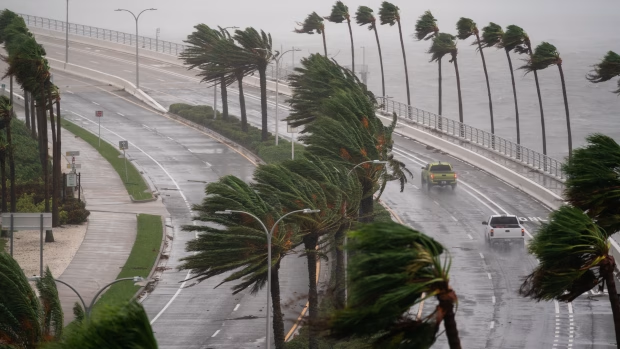
A Wake-Up Call from the Gulf
When Hurricane Ian struck Florida’s Gulf Coast, it left behind more than physical damage—it exposed vulnerabilities in how many homes were built, protected, and maintained. For homeowners in coastal cities like Naples, the storm was a harsh reminder that roofing isn’t just a matter of aesthetics or comfort—it’s a lifeline.
As rebuilding continues, one critical question remains: how can homeowners ensure their roofs aren’t just replaced, but rebuilt to endure the storms of the future?
The Hard Truth: Not All Roofs Are Created Equal
Hurricane Ian’s 150 mph winds tore through entire neighborhoods, stripping shingles, denting metal panels, and exposing roofs that were not designed—or maintained—to meet modern standards.
In many cases, damage wasn’t caused solely by the storm’s strength but by weak structural connections, aging materials, or outdated installations. Even homes that complied with older building codes proved vulnerable when wind uplift forces exceeded expectations.
The lesson is clear: in hurricane-prone regions like Southwest Florida, building to minimum code is no longer enough. The focus must shift from compliance to resilience.
Lesson 1: Stronger Connections Save Homes
The first point of failure in many roofs during Hurricane Ian wasn’t the surface—it was the connections. Uplift forces target the weakest links: nails, trusses, and attachment points.
Modern roofing systems now emphasize hurricane clips, reinforced fasteners, and metal tie-downs that secure the roof deck to the home’s walls. These small yet powerful upgrades dramatically improve wind resistance.
Investing in proper anchoring can mean the difference between minor damage and total loss. For Florida homeowners, these reinforcements aren’t just smart—they’re essential for long-term resilience.
Lesson 2: Material Choice Matters More Than Ever
After Ian, roofing material selection has become a matter of survival. Homeowners are increasingly shifting toward materials that balance strength, longevity, and energy efficiency.
- Metal roofing emerged as a top performer, offering durability and resistance to both wind and salt corrosion.
- Concrete and clay tiles—staples of Florida’s coastal architecture—proved strong but only when installed with upgraded fastening systems.
- Architectural shingles are being replaced with impact-resistant varieties, which better withstand debris and wind gusts.
Each of these materials performs differently under stress, but the common thread is professional installation. Even the best materials fail if they aren’t properly secured or sealed—a critical takeaway for homeowners across the region.
Lesson 3: Maintenance Is Your First Line of Defense
One of the most overlooked factors in roof resilience is ongoing maintenance. Roofs that hadn’t been inspected or serviced before Ian suffered the most damage. Cracked tiles, loose flashing, and clogged gutters created vulnerabilities that allowed water intrusion long before winds peaked.
In Southwest Florida’s humid, salt-heavy air, even small issues can escalate quickly. Experts recommend biannual roof inspections, especially before hurricane season. Preventive maintenance extends a roof’s lifespan, ensures warranties remain valid, and provides peace of mind when the next storm arrives.
Homeowners should view maintenance as an investment—not an expense.
Lesson 4: Building Codes Are Evolving—And So Should Homeowners
After every major storm, Florida’s building codes get stronger. The post-Ian era is no different. State and local authorities are reassessing standards for roofing materials, attachment methods, and drainage systems.
For homeowners, that means new builds and roof replacements must meet more stringent criteria. While upgrades may increase upfront costs, they also boost property value and insurance eligibility.
Speaking of insurance, many companies are now requiring proof of roof condition and age before renewing policies. Strengthening your roof doesn’t just protect your home—it can protect your financial stability.
Lesson 5: Resilience and Sustainability Can Coexist
Hurricane Ian also accelerated another important conversation: sustainability. Modern roofing innovations prove that eco-friendly design can coexist with storm protection.
Reflective “cool roofs” help reduce energy consumption during Florida’s hot summers, while solar-integrated panels generate power even after major storms. Some homeowners in Naples are opting for recycled metal or reclaimed clay materials that offer both environmental and structural benefits.
The new wave of resilient roofing is as much about preserving the planet as it is about protecting homes.
Lesson 6: Local Expertise Makes All the Difference
If Ian taught homeowners anything, it’s that local knowledge matters. Florida’s coastal climate presents unique challenges that out-of-state or inexperienced contractors may overlook—humidity, salt corrosion, and intense UV exposure all influence material performance.
Working with experienced naples roofing contractors ensures that installations meet not only state codes but also the environmental demands specific to the region. Local experts understand how to balance aesthetics with endurance, creating roofs that reflect both Florida’s beauty and its strength.
A Smarter Future for Florida Roofing
Hurricane Ian was a devastating event—but it also served as a catalyst for innovation. Homeowners are now demanding smarter, stronger, and more sustainable solutions. Roofing manufacturers and builders are responding with materials and designs that can withstand both the elements and the test of time.
The long-term future of roofing in Florida isn’t about quick fixes—it’s about foresight. It’s about choosing materials, contractors, and maintenance practices that prioritize protection over convenience.
In a world where storms are growing stronger, resilience isn’t optional—it’s the foundation of survival.
Preparing for Tomorrow, Today
For homeowners along Florida’s Gulf Coast, the lessons of Hurricane Ian are clear: roofs must evolve with the climate. Durability, sustainability, and proactive care are the cornerstones of modern home protection.
By embracing new technologies, working with local experts, and committing to regular maintenance, Florida homeowners can build not just for the next storm—but for the next generation.
Because in the Sunshine State, true peace of mind starts at the top.