


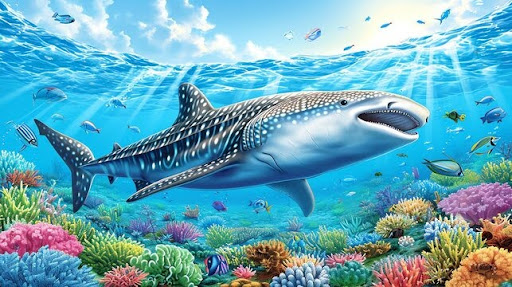
The whale shark (Rhincodon typus) is not only the largest shark species but also the largest fish in the world, stretching up to 40 feet in length. Despite their immense size, whale sharks are gentle giants, peacefully feeding on plankton, krill, and small fish, making them a favourite among ocean enthusiasts and wildlife photographers. This incredible species can be found in warm waters across the globe. If you’re hoping to encounter one of these majestic creatures in the wild, here are the top whale shark locations and the best times to visit.
1. Ningaloo Reef, Western Australia
- Best Time to Visit: March to August
- What Makes It Special: Ningaloo Reef is one of the most reliable locations in the world for spotting whale sharks. As part of a seasonal migration, whale sharks congregate here to feast on the plankton blooms brought in by coral spawning. Visitors can snorkel alongside whale sharks, with licensed operators providing eco-friendly and respectful whale shark tours.
Ningaloo Reef is a UNESCO World Heritage site and home to a vast array of marine life, including manta rays, dolphins, and humpback whales, making it an underwater paradise for eco-tourists and marine enthusiasts.
2. Isla Holbox, Mexico
- Best Time to Visit: June to September
- What Makes It Special: Located off the Yucatán Peninsula, Isla Holbox is one of the most accessible and popular whale shark hotspots in the Western Hemisphere. Each summer, hundreds of whale sharks gather in the warm, plankton-rich waters of the Caribbean, attracting tourists from around the world.
Besides whale sharks, Isla Holbox is known for its low-key charm, pristine beaches, and stunning turquoise waters. Swimming with whale sharks here often also offers a chance to spot manta rays and other marine species in the area.
3. Donsol Bay, Philippines
- Best Time to Visit: November to June, with peak season from February to April
- What Makes It Special: Donsol Bay has long been a whale shark haven in Southeast Asia. Local fishermen have historically considered whale sharks, known as “butanding,” to be good omens, and the area has since become a prime destination for responsible whale shark tourism.
Donsol offers regulated whale shark snorkelling tours, which allow for a safe and eco-friendly way to experience these magnificent creatures. Unlike other locations where boats may chase whale sharks, Donsol’s guidelines ensure a more natural and respectful encounter.
4. Gladden Spit, Belize
- Best Time to Visit: March to June, especially around the full moon
- What Makes It Special: Gladden Spit, located off the coast of Placencia, Belize, provides one of the most unique whale shark experiences. Here, whale sharks are drawn by the spawning of snappers, which release eggs into the water, creating a rich feeding ground.
For divers, Gladden Spit offers a remarkable opportunity to observe whale sharks up close. The synchronised timing of the snapper spawn and the appearance of whale sharks makes each encounter feel like witnessing a rare natural event.
5. Mafia Island, Tanzania
- Best Time to Visit: October to February
- What Makes It Special: Whale sharks are a year-round presence around Mafia Island, but the best sightings occur during the months when plankton blooms are at their peak. The remote and pristine waters of Mafia Island make it one of the more secluded places to swim with whale sharks.
Unlike other locations, Mafia Island has fewer tourists, offering a more intimate whale shark experience. The island itself boasts remarkable biodiversity and coral reefs, making it an excellent location for snorkelling and diving.
6. The Maldives
- Best Time to Visit: October to April
- What Makes It Special: The Maldives, known for its luxurious resorts and vibrant coral reefs, is also a prime whale shark destination. The South Ari Atoll is a marine protected area where whale sharks are spotted year-round, though peak sightings occur in the northeastern monsoon season.
Visitors can join snorkelling excursions to observe whale sharks in the Maldives’ crystal-clear waters, often alongside manta rays and other reef-dwelling species. With the Maldives’ abundance of marine life, it’s a rewarding destination for ocean lovers.
7. Galápagos Islands, Ecuador
- Best Time to Visit: June to December
- What Makes It Special: The Galápagos Islands are a UNESCO World Heritage site, famed for their unique biodiversity and some of the world’s most extraordinary wildlife encounters. During the cooler months, whale sharks are drawn to the nutrient-rich waters of Darwin and Wolf islands.
Diving with whale sharks in the Galápagos is an awe-inspiring experience, as divers are also likely to encounter hammerhead sharks, marine iguanas, and sea lions. The strong currents and remote location make the Galápagos a destination best suited for experienced divers.
Tips for a Safe and Eco-Friendly Whale Shark Encounter
- Respect Marine Life Regulations: Many whale shark hotspots have strict guidelines to protect the species, including restrictions on touching, approaching too closely, or using flash photography. Observing these rules helps ensure the well-being of whale sharks and the surrounding marine ecosystem.
- Choose Responsible Tour Operators: Look for eco-friendly operators who prioritise conservation, educate guests about whale sharks, and adhere to ethical tourism practices. Certified operators are often part of associations that work to minimise the impact of tourism on whale sharks.
- Maintain a Safe Distance: Although whale sharks are generally docile, it’s essential to give them space to swim freely. Stay at least 3 metres away from the whale shark and avoid getting too close to the tail area, as even a gentle swipe of their tail can be powerful.
- Support Local Conservation Efforts: Many whale shark destinations have local conservation programs. Contributing to these efforts or participating in citizen science initiatives helps with whale shark monitoring and protection.
Conclusion
Whale shark encounters offer unforgettable experiences with one of nature’s most awe-inspiring creatures. From the secluded waters of Mafia Island to the bustling reefs of Ningaloo, each whale shark location offers its own unique magic. Whether you’re a seasoned diver or an adventurous snorkeler, these whale shark hotspots provide the chance to swim with these gentle giants while contributing to their conservation. With responsible travel and a commitment to preserving marine life, we can help protect these remarkable animals and the ecosystems they inhabit for generations to come.