


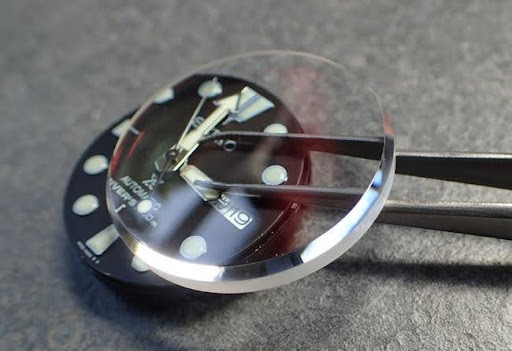
The glass on a watch, often referred to as the watch crystal, is one of the most essential parts of a timepiece. It serves not only as a protective layer but also as a window through which the watch’s dial and hands are clearly visible. Watch enthusiasts and casual wearers alike may not often think about it, but the quality, durability, and material of the watch glass can significantly affect both the watch’s appearance and its longevity. Whether you’re a collector or someone who just appreciates the functionality of a watch, understanding watch glass can help you make more informed choices when selecting or maintaining a timepiece.
Strengths and Weaknesses
Watch glass comes in different types, each with its own strengths and weaknesses. The three primary materials used are acrylic, mineral glass, and sapphire crystal. Acrylic is a type of plastic that is both lightweight and affordable. It is often found on lower-cost watches or vintage models. While acrylic can be prone to scratches, it is easily polished, making it a durable choice for those who don’t mind a bit of maintenance. Mineral glass, on the other hand, is much more scratch-resistant than acrylic and is found in a majority of watches. It’s a step up in terms of durability, but if it does get scratched, it can be harder to fix than acrylic. Lastly, sapphire crystal is the gold standard for luxury watches. Extremely scratch-resistant and clear, sapphire crystal is the most durable option available, although it is also the most expensive. It’s worth noting that while sapphire is highly scratch-resistant, it is not immune to shattering upon impact, so care must still be taken.
Flat Glass
The shape of the watch glass can also vary. Some watches have flat glass, which provides a clean, modern look. Others use domed or curved glass, which can add a vintage aesthetic and reduce glare from certain angles. The shape of the glass isn’t just about looks, though. Domed or curved glass can often provide added strength, particularly in watches designed for rough environments or sports. For divers, pilots, or adventurers, having a stronger, curved glass can make a significant difference in ensuring the watch remains intact during extreme activities. Additionally, a domed crystal can offer better legibility from different viewing angles, which can be an advantage in situations where clarity is crucial.
Anti-reflective Coatings
Another important factor to consider when it comes to watch glass is the treatment it undergoes. Anti-reflective coatings are common on higher-end watches, especially those with sapphire crystals. These coatings help reduce glare and make the dial easier to read under bright light or harsh conditions. Some watches may have a single layer of coating on the inside of the glass, while others might have it applied to both the inner and outer surfaces. Over time, however, external coatings can wear off, especially if the watch is frequently exposed to rough conditions. Despite this, the addition of an anti-reflective layer can significantly enhance the readability of the watch, especially for outdoor use.
Maintaining watch glass is essential for keeping your watch in top condition. Regardless of the material, all types of watch glass should be cleaned regularly to remove dirt, smudges, and oils that accumulate from daily wear. Using a soft microfiber cloth is often the best way to clean the glass without scratching it. For watches with sapphire or mineral glass, regular cleaning can help maintain the glass’s clarity and prevent any substances from damaging the surface over time. In the event of a crack or scratch, it’s essential to have the glass replaced by a professional to ensure that the watch remains water-resistant and fully functional. Watch glass replacement can vary in cost depending on the type of crystal used, with sapphire being the most expensive option. However, investing in high-quality glass is often worth the cost, as it ensures the long-term functionality and appearance of your timepiece.
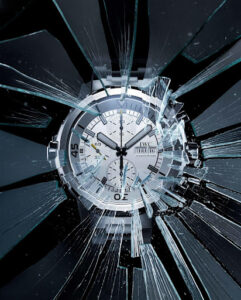

Functionality
Watch glass plays a vital role in both the look and functionality of a watch. Whether you prefer the affordability of acrylic, the scratch resistance of mineral glass, or the luxury of sapphire crystal, there’s a watch glass option to suit every style and need. The shape, treatment, and maintenance of the glass are also key factors that contribute to the overall watch-wearing experience. By understanding these details, you can choose a watch that not only looks great but also stands the test of time.