


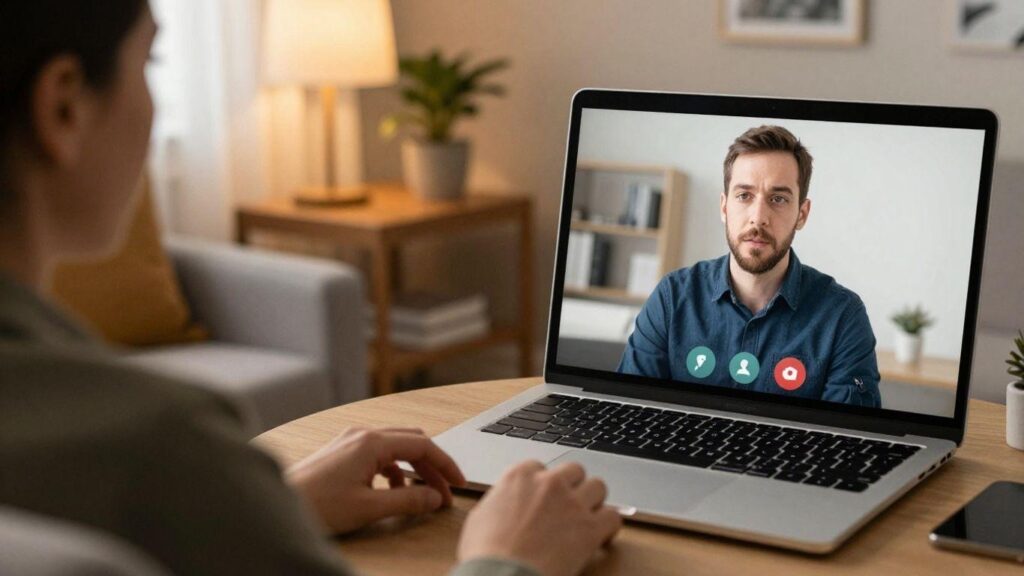
The Rise of Virtual Counseling in Michigan
Virtual counseling, often called teletherapy, has become a significant part of mental health care in Michigan. It’s not just a trend; it’s a practical solution for many. The ability to connect with a therapist from your own home offers a new level of accessibility. This shift means more people can get the support they need, regardless of where they live in the state.
This form of virtual counseling allows individuals to bypass common barriers like travel time and rigid schedules. It’s particularly helpful for those in rural areas or with busy lives. The technology has advanced to a point where these sessions can be just as effective as in-person meetings for many concerns.
The convenience of virtual counseling is undeniable. It opens doors for people who might otherwise hesitate to seek help. It’s about making mental health support fit into real life, not the other way around. This approach is reshaping how therapy is accessed and delivered across Michigan.
Traditional In-Person Therapy
For decades, in-person therapy has been the standard. It involves meeting with a licensed therapist in their office. This traditional method has a long-standing reputation for effectiveness. The physical presence in a dedicated space can create a unique therapeutic atmosphere.
This setting is designed to be a safe haven, free from the distractions of daily life. The office environment itself can contribute to a sense of calm and focus. It’s a space where clients can feel more present and engaged in their therapeutic journey.
Many people still find that the direct, face-to-face interaction in an office setting is the best way for them to build rapport and trust with their therapist. It offers a tangible connection that some prefer.
Defining Teletherapy vs. In-Person Sessions
Teletherapy and in-person sessions are two distinct ways to receive mental health support. Teletherapy uses technology, like video calls or phone calls, to connect you with a therapist remotely. It’s therapy that happens virtually.
In-person sessions, on the other hand, require you to be physically present in the therapist’s office. This is the classic model of therapy that many are familiar with. The key difference lies in the location and the mode of communication.
Understanding these definitions is the first step in deciding which approach might be right for you. Both have their own set of benefits and potential drawbacks to consider.
Benefits of Virtual Counseling in Michigan
Unmatched Convenience and Flexibility
Virtual counseling in Michigan offers a level of convenience that’s hard to beat. Imagine skipping the commute and the waiting room entirely. You can attend sessions from your own home, a quiet office, or even while traveling, as long as you have a stable internet connection. This flexibility means therapy can fit into your life, not the other way around. It’s a game-changer for busy schedules or for those who find traveling difficult.
This approach makes therapy more accessible for many people across Michigan. Whether you live in a rural area far from a clinic or have mobility challenges, virtual counseling removes geographical barriers. It opens up possibilities for individuals who might otherwise struggle to find or attend regular therapy sessions. The ability to connect with a therapist from almost anywhere is a significant advantage.
Enhanced Accessibility for All
For individuals in Michigan, virtual counseling significantly broadens access to mental health support. People living in more remote parts of the state, where finding specialized therapists can be tough, can now connect with professionals anywhere. This is also a huge plus for those with physical limitations or chronic illnesses that make traveling to appointments a challenge. Virtual counseling breaks down these barriers, making support more readily available.
Furthermore, this mode of therapy can be particularly helpful for those who experience anxiety in social situations or new environments. The comfort of a familiar setting can make it easier to open up and engage in the therapeutic process. It allows individuals to receive care without the added stress of leaving their safe space, promoting a more relaxed and productive session.
Potential for Affordability
Often, virtual counseling can be more budget-friendly than traditional in-person therapy. This is partly because providers may have lower overhead costs associated with running an online practice. These savings can sometimes be passed on to clients, making mental health services more attainable. It’s worth exploring if your insurance plan covers virtual sessions, as many do.
Many insurance providers in Michigan now cover teletherapy services, similar to in-person visits. This means you might be able to use your existing health insurance to pay for virtual counseling. If your plan is out-of-network, some practices can provide you with a superbill that you can submit for potential reimbursement. This makes virtual counseling a more financially viable option for a wider range of people seeking support.
Virtual counseling in Michigan is not just a trend; it’s a practical solution that addresses real needs for accessibility and convenience. It allows more people to get the help they deserve without the usual hurdles.
Advantages of In-Person Therapy
Building a Stronger Personal Connection
There’s a certain something about being in the same room with your therapist that can really help build trust. You can look them in the eye, and they can see your whole body, not just your face on a screen. This direct interaction can make it easier to feel truly seen and heard. For some people, talking about tough stuff feels more natural when they’re physically present with another person. This kind of connection is a big part of why many people stick with in-person therapy.
A Dedicated, Distraction-Free Environment
Therapist offices are usually set up to be quiet and private. This means you don’t have to worry as much about your dog barking or your kids interrupting. It’s a space specifically for therapy, which can help you get into the right headspace. Having a neutral place to go, separate from your home life, can make it easier to focus on what you need to discuss. This dedicated space is a key benefit of in-person therapy.
Facilitating Non-Verbal Communication
Therapists are trained to pick up on more than just words. They watch your body language, your facial expressions, and how you hold yourself. These non-verbal cues can tell a story all on their own. In-person sessions allow therapists to catch these subtle signals more easily. This helps them understand you better and respond more effectively. It’s a richer form of communication that’s harder to replicate online. The ability to read these cues is a significant advantage of in-person therapy.
Considering Your Unique Needs

When Virtual Counseling in Michigan Is Ideal
Virtual counseling in Michigan really shines for folks who have busy schedules. Think about it: no commute time, no hunting for parking, and you can even do it from your office during a lunch break if you need to. It’s also a lifesaver for people who live further out in Michigan, where finding a local therapist might be tough. Plus, if you have mobility issues or just prefer the comfort of your own space, teletherapy makes getting support much easier. It’s all about fitting therapy into your life, not the other way around.
When In-Person Therapy May Be Preferred
Sometimes, nothing beats being in the same room. For individuals dealing with more intense mental health crises or trauma, an in-person setting can feel safer and allow the therapist to pick up on subtle cues more easily. It’s also a great choice if your home environment isn’t private or quiet enough for a virtual session. If you find that face-to-face interaction helps you feel more connected and present, then traditional therapy might be the better fit for you. It offers a dedicated space away from daily distractions.
Assessing Your Comfort and Environment
Your personal comfort and the environment you have available are big factors. Do you have a reliable internet connection and a private space where you won’t be interrupted for virtual counseling? If not, in-person therapy might be more practical. On the flip side, if the thought of leaving your home feels overwhelming, or if you simply feel more relaxed and open in your familiar surroundings, teletherapy could be the way to go. It’s important to be honest about what will help you feel most at ease and ready to engage in the therapeutic process.
Addressing Potential Drawbacks
Navigating Technical Challenges in Virtual Therapy
Virtual counseling in Michigan, while convenient, can hit snags with technology. Spotty internet or a glitchy computer can interrupt a session. This isn’t just annoying; it can really throw off the flow of a therapy conversation. It’s important to have a reliable connection for virtual counseling to work well.
Think about it: if your video freezes or the audio cuts out, you might miss something important your therapist said, or they might miss a key part of what you’re trying to express. This can make the whole experience feel less productive. It’s a hurdle that needs to be cleared for virtual therapy to be truly effective.
Overcoming Distractions at Home
Your home might seem like a private space, but it often comes with its own set of distractions. Kids, pets, or even just the general hum of household activity can make it hard to focus. This is where virtual counseling might feel less than ideal if you can’t find a truly quiet spot.
Finding a dedicated, quiet area for your sessions is key. If your home environment is too busy, you might struggle to open up fully. This lack of a distraction-free zone can impact how much you get out of each session. It’s a common issue people face when trying to do therapy from home.
Ensuring Privacy and Confidentiality
Privacy is a big deal in therapy. While virtual sessions offer a sense of comfort by being at home, they also raise questions about confidentiality. Can you be sure no one will overhear you? Is your internet connection secure enough?
The concern about being overheard or having your session interrupted is a valid one. It’s something to seriously consider when choosing between virtual and in-person options.
It’s not just about your home environment; it’s also about the platform being used. Making sure the technology itself is secure is part of the process. For some, the peace of mind that comes with a dedicated, private office for in-person therapy outweighs the convenience of virtual options.
Making the Right Choice for You
Evaluating Your Lifestyle and Schedule
When deciding between virtual counseling in Michigan and in-person therapy, a person’s daily life plays a big role. Think about how much time is spent commuting. If a busy schedule means travel is a hassle, virtual counseling offers a way around that. It’s about fitting therapy into your life, not the other way around. This flexibility is a major plus for many.
Consider the practicalities. Do you have a quiet, private space at home for virtual sessions? If not, an office setting might be better. For those in Michigan, traffic can be a real factor. Virtual counseling removes that stress. It’s about finding what works without adding more pressure to an already full life. The goal is to make therapy accessible.
Ultimately, the best choice aligns with your routine. If hopping on a video call from your living room is easier than driving across town, that’s a strong point for virtual counseling. It’s about practicality and making sure therapy doesn’t become another chore. This approach helps people stick with their mental health goals.
Considering Specific Mental Health Concerns
The nature of a person’s mental health concerns can also guide the decision. For some, the anonymity and distance of virtual counseling in Michigan can make it easier to open up. Talking about difficult topics might feel less intimidating when not face-to-face. This can be particularly true for issues involving shame or deep-seated trauma.
However, certain situations might benefit more from in-person therapy. If a therapist needs to observe subtle non-verbal cues or if the client struggles with intense emotional regulation, being in the same room can be more effective. The physical presence can offer a sense of grounding and safety that a screen might not replicate. It’s about the therapeutic relationship.
It’s also worth noting that many therapists are skilled in adapting their techniques for both formats. A good therapist will discuss your specific needs and help you determine which setting will best support your progress. The focus remains on what helps you heal.
Exploring Hybrid Therapy Models
What if you can’t decide between virtual and in-person? The good news is, you don’t always have to pick just one. Hybrid therapy models are becoming more common, offering a blend of both approaches. This means you could have some sessions online and others in a therapist’s office.
This flexibility is fantastic. It allows you to experience the benefits of both virtual counseling in Michigan and traditional therapy. You might start with virtual sessions for convenience and then transition to in-person meetings as you feel more comfortable or as your needs change. It’s a way to get the best of both worlds.
A hybrid approach can be a great way to test the waters and see what feels most effective for your mental health journey. It acknowledges that needs can shift and offers a adaptable path forward.
Making Your Choice
So, when it comes down to it, picking between online and in-person therapy in Michigan really comes down to what works best for you. There’s no single right answer here. Online sessions offer a lot of convenience, especially if you’re busy or live far from a therapist’s office. It can be easier to fit into your week. On the other hand, some people just feel more connected and focused when they’re in the same room with their therapist. It’s about what makes you feel most comfortable and able to open up. Think about your daily life, your comfort level with technology, and what kind of environment helps you focus. Talking it over with a mental health professional can also help you figure out the best path forward for your specific needs.