
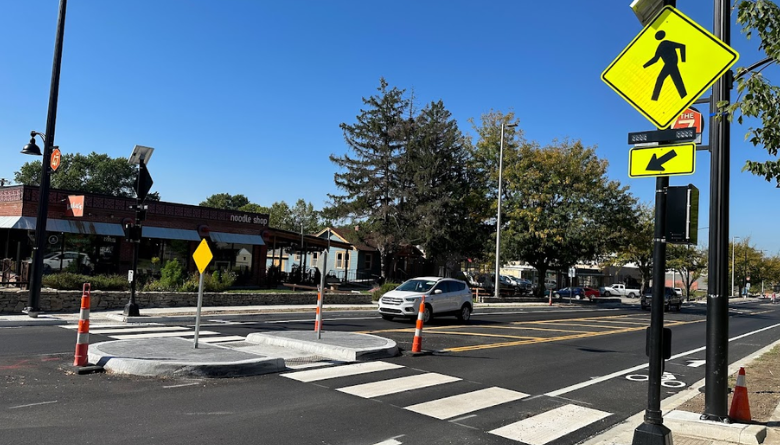
Urbanization has brought many challenges to city planners, with one of the most critical being the safe management of traffic. As cities grow, so does the complexity of their road networks, leading to an increased need for effective traffic control measures. Among these measures, pedestrian guard rails play a crucial role in ensuring the safety of both pedestrians and drivers. This article explores the importance of pedestrian guard rails in urban traffic control, highlighting their benefits, applications, and impact on overall road safety.
Enhancing Pedestrian Safety
One of the primary purposes of pedestrian guard rails is to protect pedestrians from the dangers of traffic. In busy urban environments, where vehicles and pedestrians often share space, the risk of accidents is significant. Pedestrian guard rails act as physical barriers that prevent pedestrians from accidentally stepping into traffic, thereby reducing the likelihood of collisions.
For example, guard rails are often installed near schools, hospitals, and busy intersections where pedestrian traffic is high. By guiding pedestrians to designated crossing points, these rails help to channel foot traffic away from hazardous areas, ensuring that people cross the road at safer, controlled locations. This not only protects individuals but also enhances the overall flow of both pedestrian and vehicular traffic.
Reducing Vehicle-Pedestrian Conflicts
In urban areas, the interaction between vehicles and pedestrians is inevitable. However, when these interactions are not well-managed, they can lead to conflicts that endanger lives. Pedestrian guard rails play a vital role in reducing these conflicts by creating clear boundaries between pedestrian pathways and vehicle lanes.
By installing guard rails along sidewalks and at intersections, city planners can effectively separate pedestrians from moving vehicles. This separation minimizes the chances of pedestrians crossing roads at unsafe points, thereby reducing the risk of accidents. Moreover, it encourages drivers to stay within their designated lanes, as the presence of guard rails serves as a constant reminder of the need to be cautious in areas with high pedestrian activity.
Facilitating Traffic Flow
While the primary function of pedestrian guard rails is to protect pedestrians, they also contribute significantly to improving traffic flow. In cities where traffic congestion is a major issue, guard rails can help manage the movement of both pedestrians and vehicles more efficiently.
For instance, in areas with high pedestrian traffic, such as shopping districts or public transportation hubs, the presence of guard rails can prevent jaywalking—a common cause of traffic delays. By guiding pedestrians to use designated crosswalks, guard rails ensure that vehicles can move more freely without the constant need to stop for people crossing the road at random points. This not only reduces congestion but also helps to maintain a steady flow of traffic, making urban roads safer and more efficient for everyone.
Preventing Unintentional Access to Dangerous Areas
Urban environments often contain areas that are particularly hazardous to pedestrians, such as construction sites, sharp curves, or areas with poor visibility. Pedestrian guard rails serve as a crucial tool in preventing unintentional access to these dangerous areas.
For example, in areas undergoing construction, guard rails can be used to create temporary barriers that keep pedestrians away from active work zones. Similarly, in areas with sharp curves or limited visibility, guard rails can be strategically placed to prevent pedestrians from unknowingly entering dangerous sections of the road. This not only protects pedestrians from potential harm but also prevents accidents that could result from sudden encounters between vehicles and pedestrians in these risky areas.
Enhancing Urban Aesthetics and Order
Beyond their safety functions, pedestrian guard rails also contribute to the overall aesthetics and orderliness of urban environments. Well-designed guard rails can complement the architectural style of a city, adding to its visual appeal while serving a practical purpose.
In modern urban planning, there is a growing emphasis on creating public spaces that are both functional and attractive. Pedestrian guard rails, when designed with aesthetics in mind, can enhance the visual coherence of a city’s streetscape. They can be made from various materials and designed in different styles to match the surrounding environment, whether it’s a historic district with ornate railings or a modern area with sleek, minimalist designs.
Moreover, the presence of pedestrian guard rails promotes a sense of orderliness. By clearly delineating spaces for pedestrians and vehicles, these rails help create a more organized and navigable urban environment. This, in turn, can make cities more pleasant places to live, work, and visit, as people feel safer and more confident moving through well-structured public spaces.
Supporting Sustainable Urban Mobility
As cities worldwide strive to promote sustainable mobility, pedestrian guard rails play an important role in supporting this goal. By making walking a safer and more attractive option, guard rails encourage people to choose walking over driving for short trips, which can help reduce traffic congestion and lower carbon emissions.
In addition, pedestrian-friendly infrastructure, including guard rails, supports the integration of public transportation systems. For instance, by ensuring safe access to bus stops, train stations, and other transit points, guard rails make it easier for people to use public transportation. This not only contributes to reducing the number of vehicles on the road but also supports broader efforts to create more sustainable and livable cities.
Conclusion
Pedestrian guard rails are an essential component of urban traffic control, providing numerous benefits that extend beyond mere safety. They play a vital role in reducing vehicle-pedestrian conflicts, facilitating traffic flow, and preventing access to dangerous areas. Additionally, well-designed guard rails can enhance the aesthetics and orderliness of urban environments, contributing to the overall quality of life in cities.
In an era where sustainable urban mobility is becoming increasingly important, pedestrian guard rails support efforts to create safer, more walkable cities. By encouraging walking and improving access to public transportation, these guard rails help reduce traffic congestion and promote more sustainable modes of transport.
For city planners, policymakers, and concerned citizens, understanding the importance of pedestrian guard rails is crucial in ensuring that urban areas remain safe, efficient, and enjoyable for everyone. To explore the various options available and learn more about how they can be implemented effectively in your city, check Armco Direct pedestrian guard rails here https://www.armcodirect.co.uk/product-category/pedestrian-guard-rail/


