


Solar panels are one of the most efficient and environmentally-friendly ways to generate electricity for your home or business. However, even the best solar systems can experience a reduction in performance over time. Whether you’re a homeowner, business owner, or someone interested in solar energy, understanding why solar panels lose efficiency and how cleaning can help is crucial for maintaining optimal performance.
In this article, we will explore the top reasons why solar panels lose efficiency, how cleaning plays a role in improving their performance, and the benefits of regular maintenance. Let’s dive into the science behind solar panel efficiency and how to keep your system in peak condition.
Understanding Solar Panel Efficiency


Before we can discuss the factors that cause efficiency loss, it’s essential to understand how solar panels work. Solar panels convert sunlight into electricity using photovoltaic (PV) cells. These cells capture photons from the sun’s rays and convert them into direct current (DC) electricity. The more sunlight that hits the cells, the more energy they generate.
However, this process is not 100% efficient. Solar panels have an efficiency rating, which represents the percentage of sunlight that can be converted into usable electricity. Typical solar panels have efficiency ratings ranging from 15% to 22%, but several factors can cause their efficiency to drop below their optimal levels.
The Impact of Environmental Factors on Solar Panel Performance
Solar panel performance can be affected by various environmental conditions. Factors like weather, geographical location, pollution levels, and the angle of the panels all influence how efficiently the system works. For instance, dirty solar panels, impacted by dust, bird droppings, and pollutants, can significantly reduce energy production. Solar panels in areas that receive consistent rainfall or are located at high altitudes may perform better than those in extremely hot or dusty areas. Understanding these external factors is key to recognizing why panels lose efficiency and what can be done to address it.
Types of Pollutants that Affect Solar Panel Efficiency
Solar panels can be affected by various types of pollutants, each contributing to a reduction in their efficiency. The most common pollutants include:
- Dust and Dirt: These are the primary culprits when it comes to reduced solar panel efficiency. Dust and dirt particles settle on the surface of the panels, creating a layer that blocks sunlight from reaching the solar cells. This obstruction can significantly decrease energy production over time.
- Bird Droppings: Bird droppings are not only unsightly but also problematic for solar panels. They can leave behind a sticky residue that is difficult to remove and can cause permanent stains if not cleaned promptly. The acidic nature of bird droppings can also corrode the panel surface, further diminishing efficiency.
- Road Grime: If your solar panels are located near busy roads, they may be exposed to road grime. This type of pollution comes from vehicle exhaust and can leave a greasy film on the panels, obstructing sunlight and reducing energy output.
- Smoke and Haze: Industrial activities, wildfires, and other sources of smoke and haze can deposit fine particles on solar panels. These pollutants can form a thin film that reduces the amount of sunlight penetrating the panels, leading to lower energy production.
- Leaves and Branches: Organic debris such as leaves and branches can accumulate on solar panels, especially if there are trees nearby. This debris can block sunlight and, if left unchecked, can lead to mold growth and other issues that further reduce panel efficiency.
By understanding the types of pollutants that can affect your solar panels, you can take proactive steps to clean and maintain them, ensuring optimal performance and energy production.
How Location Affects Solar Panel Performance
The location of your solar panels plays a crucial role in their overall performance. Several factors related to your geographic location can influence how efficiently your solar panels operate:
- Climate: Solar panels thrive in sunny and dry climates. Regions with high levels of rainfall or frequent cloud cover may not be ideal for solar energy systems, as the lack of consistent sunlight can reduce energy production. Conversely, areas with abundant sunshine can maximize the efficiency of your panels.
- Temperature: Extreme temperatures can impact solar panel efficiency. High temperatures can cause the semiconductor materials in the panels to degrade more quickly, reducing their efficiency. On the other hand, cooler temperatures can enhance efficiency, as solar panels tend to perform better in cooler conditions.
- Shading: Shading from trees, buildings, or other structures can significantly reduce the efficiency of solar panels. Even partial shading can have a substantial impact, as solar panels work best when they receive direct sunlight throughout the day. It’s essential to ensure that your panels are installed in a location with minimal shading to maximize energy production.
- Air Pollution: Areas with high levels of air pollution can negatively affect solar panel efficiency. Pollutants in the air, such as industrial emissions and vehicle exhaust, can settle on the panels and block sunlight. Regular cleaning is necessary in such areas to maintain optimal performance.
By considering these location-specific factors, you can optimize the placement and maintenance of your solar panels to ensure they operate at peak efficiency.
Reasons Why Solar Panels Lose Efficiency

While solar panels are designed to withstand the elements and continue working over the long term, they are still susceptible to certain issues that can cause a drop in performance. Some of these factors are preventable or can be mitigated through regular solar panel maintenance, including cleaning. Below are the top reasons why solar panels lose efficiency.
Accumulation of Dirt and Dust
One of the most common reasons for a drop in solar panel efficiency is the accumulation of dirt, dust, and debris. Over time, dust particles, dirt, and other pollutants build up on the surface of the panels, blocking sunlight from reaching the photovoltaic cells. As a result, the panels absorb less sunlight, which leads to a decrease in energy production.
In areas with high levels of air pollution, dry conditions, or near agricultural areas, solar panels can become covered with dirt and dust more quickly. Similarly, regions with seasonal changes, such as spring pollen or fall leaves, can contribute to increased debris on the panels. Therefore, regular solar panel cleaning is essential to maintain system efficiency and protect your investment in solar energy.
Impact of Bird Droppings and Organic Matter
Bird droppings, tree sap, and organic matter can be even more problematic than regular dust. These materials can create a sticky, hard-to-remove layer on the surface of the solar panels, which not only blocks sunlight but also leads to permanent stains. Bird droppings are especially harmful because they contain uric acid, which can corrode the surface of the panels over time, further reducing their performance.
If left untreated, bird droppings and other organic materials can cause permanent damage, leading to costly repairs. It’s crucial to remove these contaminants regularly to maintain optimal panel performance.
Weather Conditions: Extreme Heat and Cold
Extreme temperatures can have a significant effect on solar panel efficiency. While solar panels work best in sunlight, excessive heat can cause them to operate less efficiently. High temperatures cause the semiconductor material inside the panels to degrade faster, reducing the overall efficiency of the system.
Conversely, very cold temperatures can cause snow or ice buildup on the panels, which can block sunlight and reduce energy production. In regions that experience both extreme heat and cold, solar panels may lose efficiency during different times of the year due to these temperature fluctuations.
Panel Orientation and Angle
The angle and orientation of solar panels can also play a significant role in their efficiency. If the panels are not installed at the optimal angle relative to the sun’s path, they may not capture the maximum amount of sunlight. For instance, in the Northern Hemisphere, solar panels should ideally face south to receive the most sunlight. However, factors like roof slope, shading, or building design can affect the angle of the panels, leading to reduced performance.
Panels that are incorrectly oriented or tilted can experience a loss of energy production, especially during certain times of the day or year when the sun’s angle changes.
Shading and Obstructions
Another reason solar panels lose efficiency is shading. Trees, buildings, chimneys, and other obstructions can block sunlight from reaching the panels, significantly reducing the amount of electricity the system can generate. Even partial shading can have a large impact on performance, as solar panels work most efficiently when they receive direct sunlight.
The shading issue is more pronounced for large solar arrays, where even small obstructions can cause a significant decrease in power output. In many cases, shading leads to hotspots on the panels, which can cause permanent damage if not addressed promptly.
Inverter Malfunction and Aging Components
While solar panels themselves may continue to produce electricity, other components of the system, such as the inverter, can experience wear and tear over time. Inverters are responsible for converting the DC electricity generated by the panels into usable alternating current (AC) electricity. If the inverter malfunctions or becomes outdated, it can reduce the overall efficiency of the solar energy system.
As solar systems age, other components such as wiring, connectors, and junction boxes can also degrade, leading to a loss of efficiency. While the panels may continue to perform at a lower rate, it’s essential to regularly inspect and maintain the entire solar power system.
Microcracks and Wear from Weathering
Solar panels are exposed to harsh weather conditions throughout their lifespan. Wind, hail, and rain can cause physical damage, such as microcracks in the panel surface. Over time, these cracks can accumulate, reducing the amount of sunlight the panels can absorb. Microcracks might not be immediately visible, but they can significantly reduce the overall performance of solar panels.
As panels age, wear from UV exposure and other environmental factors can cause the material to degrade, further decreasing efficiency.
Dust and Pollution Accumulation on Solar Cells
In certain regions, particularly in urban areas with high levels of pollution, the accumulation of pollutants on the solar cells can block sunlight and reduce energy efficiency. These particles, which may include industrial pollutants, smoke, and chemicals, can create a thin film on the surface of the panels, impeding their ability to absorb sunlight.
Pollutants can also contribute to the buildup of grime and sticky residues that make cleaning more difficult, ultimately leading to greater inefficiency. It is crucial to clean solar panels safely to remove these pollutants and maintain their efficiency.
Solar Panel Degradation Over Time

Solar panels are designed to be durable and long-lasting, but they can degrade over time due to various factors. Understanding these factors can help you take steps to mitigate their impact and extend the lifespan of your panels:
- Environmental Stress: Solar panels are exposed to a range of environmental conditions, including extreme temperatures, humidity, and weather events. Over time, these conditions can cause the materials in the panels to degrade, leading to a gradual reduction in efficiency.
- Material Fatigue: The materials used in solar panels, such as the photovoltaic cells and protective coatings, can experience fatigue over time. This fatigue can result from repeated exposure to sunlight, temperature fluctuations, and other environmental factors, ultimately reducing the panels’ ability to convert sunlight into electricity.
- Wear and Tear: Like any other equipment, solar panels can suffer from wear and tear, especially if they are not properly maintained. Physical damage, such as microcracks from hail or debris, can accumulate over time and reduce the panels’ efficiency. Regular inspections and maintenance can help identify and address these issues before they become significant problems.
By being aware of the factors that contribute to solar panel degradation, you can implement regular maintenance practices to keep your panels in good condition and ensure they continue to perform efficiently.
Understanding the Lifecycle of Solar Panels
The lifecycle of solar panels typically spans several decades, but it involves various stages that require attention and maintenance:
- Installation: The lifecycle begins with the installation of the solar panels on your roof or in a solar array. Proper installation is crucial for ensuring the panels are positioned to receive maximum sunlight and are securely mounted to withstand environmental conditions.
- Maintenance: Regular maintenance is essential for keeping solar panels in optimal working condition. This includes cleaning the panels to remove dirt and debris, checking for physical damage, and ensuring that all connections and components are functioning correctly. Regular maintenance can help prevent issues that could reduce efficiency and extend the panels’ lifespan.
- Degradation: Over time, solar panels will naturally degrade due to environmental stress, material fatigue, and wear and tear. While this degradation is inevitable, proper maintenance can slow the process and help the panels maintain their efficiency for as long as possible.
- Replacement: Solar panels typically have a lifespan of 25-30 years. After this period, their efficiency may decline to the point where replacement is necessary. Advances in solar technology may also make newer panels more efficient, providing an opportunity to upgrade your system.
Understanding the lifecycle of solar panels can help you plan for regular maintenance and eventual replacement, ensuring that your solar energy system continues to provide reliable and efficient energy production.
How Cleaning Helps Maintain Solar Panel Efficiency

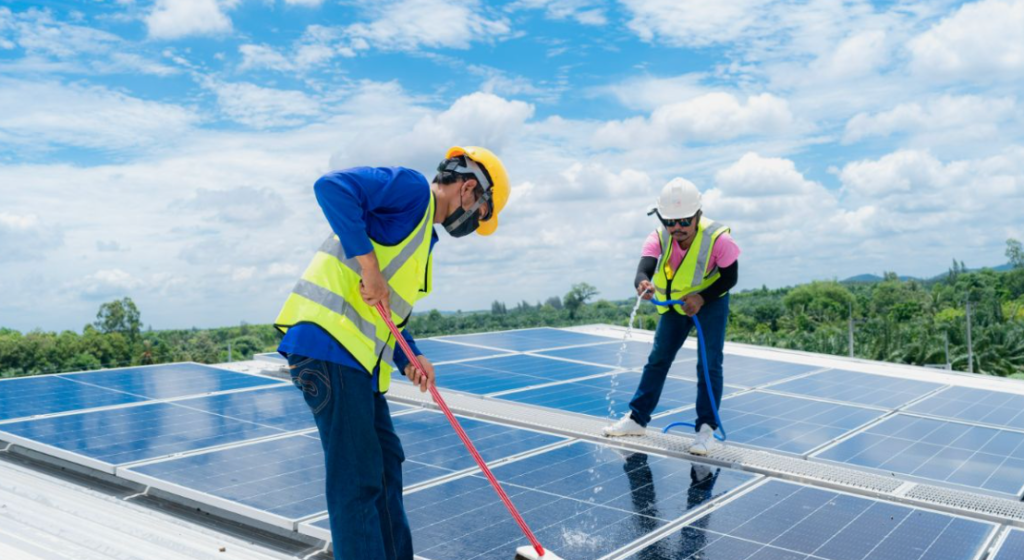
Cleaning your solar panels is one of the most effective ways to ensure they continue to operate efficiently. Regular cleaning helps remove dirt, dust, bird droppings, and other contaminants that accumulate on the surface. By removing these obstructions, you allow the panels to absorb more sunlight, which directly improves their energy production.
In high-pollutant areas or for rooftop systems, hiring professional solar panel cleaners is advisable due to safety and efficiency concerns. Professional services can provide the necessary expertise and equipment for optimal maintenance.
Restoring Light Absorption
As mentioned earlier, the primary cause of solar panel efficiency loss is the accumulation of dirt and debris. When dust or grime settles on the panels, it creates a barrier between the sunlight and the photovoltaic cells. Cleaning the panels removes this barrier, allowing more sunlight to reach the cells and be converted into electricity. As a result, the panels can generate more power, improving overall system performance.
Preventing Permanent Damage
Cleaning solar panels regularly not only ensures they operate efficiently but also helps prevent long-term damage. For example, bird droppings and organic matter can corrode the surface of the panels if left unchecked. Regular cleaning eliminates these materials before they cause irreversible harm, extending the lifespan of the panels and avoiding costly repairs.
Enhancing Overall System Longevity
While cleaning the panels is important, it’s also essential to maintain the entire solar power system, including the inverter, wiring, and connectors. Regular cleaning ensures that the panels remain in optimal condition, reducing the chances of premature failure and ensuring that the entire system performs at its best over time.
Reducing Energy Bills
Clean solar panels generate more electricity, which means you can rely more on your solar system and reduce your reliance on grid power. By keeping your panels clean and maintaining their efficiency, you can reduce your energy bills and make the most of your solar investment.
Safety Considerations
Cleaning solar panels also promotes safety, especially when considering the possibility of fire hazards. Dirt and debris can cause electrical malfunctions if they accumulate around the system’s wiring or junction boxes. By keeping your panels clean, you reduce the risk of potential hazards that could arise from debris or dust buildup.
Solar Panel Cleaning Methods

Keeping your solar panels clean is essential for maintaining their efficiency and ensuring optimal energy production. There are several methods for cleaning solar panels, each with its own benefits and considerations:
- Water and Soap: One of the most common methods for cleaning solar panels is using a mild soap and water solution. This method is effective for removing dirt and debris from the panels’ surface. It’s important to use a soft brush or sponge to avoid scratching the panels and to rinse thoroughly to prevent soap residue from remaining on the panels.
- Professional Cleaning: Hiring professional solar panel cleaning services can be a convenient and effective way to ensure your panels are cleaned properly. Professional cleaners use specialized equipment and techniques to safely and efficiently remove dirt, dust, and other contaminants from the panels. This option is particularly beneficial for large solar arrays or panels that are difficult to access.
- Automated Cleaning: Some solar panels come with automated cleaning systems that use water and brushes to clean the panels regularly. These systems can be programmed to clean the panels at specific intervals, ensuring they remain free of dirt and debris without the need for manual intervention.
By choosing the right cleaning method for your solar panels, you can maintain their efficiency and ensure they continue to produce maximum energy.
Professional Solar Panel Cleaning Services
Opting for professional solar panel cleaning services offers several advantages that can enhance the performance and longevity of your solar energy system:
- Improved Efficiency: Professional cleaning can significantly improve the efficiency of your solar panels by removing stubborn dirt, grime, and other contaminants that may not be easily cleaned with DIY methods. This leads to increased energy production and better overall performance.
- Extended Lifespan: Regular professional cleaning helps prevent long-term damage caused by pollutants and environmental factors. By keeping your panels clean and well-maintained, you can extend their lifespan and delay the need for replacement.
- Safety: Cleaning solar panels can be a risky task, especially if they are installed on a roof or in hard-to-reach areas. Professional cleaning services have the necessary equipment and expertise to clean your panels safely, reducing the risk of accidents or damage to the panels.
- Convenience: Hiring professional cleaners saves you time and effort, allowing you to focus on other important tasks. Professional services can also provide regular maintenance schedules, ensuring your panels are cleaned and inspected at appropriate intervals.
By investing in professional solar panel cleaning services, you can ensure your solar energy system operates at peak efficiency, providing you with reliable and cost-effective renewable energy.
When to Clean Your Solar Panels

The frequency with which you should clean your solar panels depends on several factors, including your geographic location, the amount of rainfall, and the level of pollution in the area. In regions with heavy dust or pollution, more frequent cleaning may be necessary. On the other hand, areas with consistent rainfall may not require cleaning as often, as rain can wash away much of the dirt and debris.
It’s generally recommended to clean solar panels at least once or twice a year, but it’s important to inspect the panels regularly and clean them when you notice a significant buildup of dirt, dust, or other contaminants.
Conclusion

Solar panels are a great investment, but their efficiency can be compromised by various factors such as dirt, dust, bird droppings, extreme weather conditions, and shading. Understanding why solar panels lose efficiency is crucial for maintaining optimal performance and extending the lifespan of the system.
Regular cleaning is one of the most effective ways to restore panel efficiency, prevent long-term damage, and reduce energy bills. While the process of cleaning may seem simple, it’s important to do it safely and correctly to avoid causing harm to the panels.
By maintaining your solar system, you’ll enjoy the maximum benefits of renewable energy, save money on electricity, and contribute to a more sustainable future.