


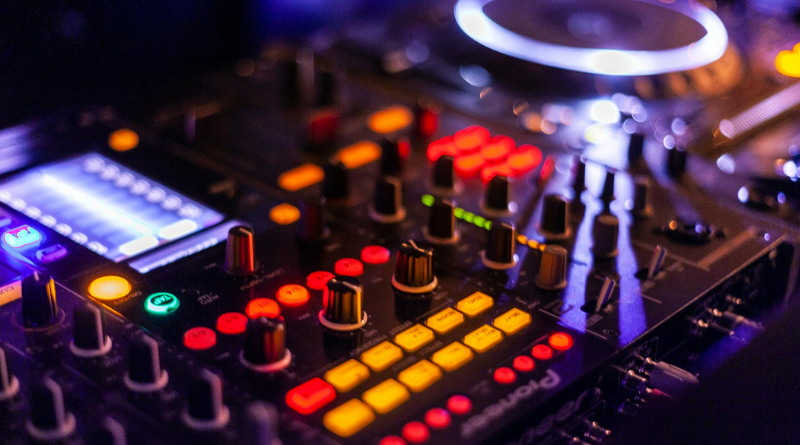
Electronic Dance Music (EDM) has exploded in popularity over the past few decades, with techno leading the charge as one of the most influential genres. The intricate rhythms, pulsating basslines, and synthetic sounds of techno create an exhilarating experience for both DJs and listeners alike. However, to truly master the art of electronic dance music, one must delve deep into the essential techniques, tools, and tricks that define this genre. This article will explore the techno tricks that can elevate your music production, performance, and understanding of this dynamic art form.
Understanding Techno Music
Techno originated in Detroit during the 1980s, primarily influenced by electronic music pioneers such as Kraftwerk, Derrick May, and Juan Atkins. Characterized by repetitive beats and synthesized melodies, techno seeks to create a hypnotic atmosphere that resonates deeply with listeners. Unlike many other genres, techno often emphasizes the use of technology, which is integral to its production and performance.
The Evolution of Techno
The roots of techno can be traced back to various musical genres, including disco, funk, and electronic experimentalism. As technology advanced, so did the sound of techno. The 1990s saw the emergence of subgenres like minimal techno, which stripped away excess elements for a more refined sound, and acid techno, known for its squelching 303 basslines. Understanding the evolution of techno is crucial for any aspiring producer, as it provides insight into the techniques that have shaped the genre.
The Essential Tools for Techno Production
To produce high-quality techno tracks, one must have the right tools at their disposal. These tools not only include software but also hardware that can add unique textures and sounds to your music.
Digital Audio Workstations (DAWs)
Popular choices among techno producers include Ableton Live, FL Studio, and Logic Pro X. These platforms provide the necessary tools for arranging, mixing, and editing your tracks. When choosing a DAW, it’s essential to consider the workflow and features that best suit your production style.
Synthesizers and Drum Machines
Synthesizers are crucial for creating the distinctive sounds of techno. They allow producers to generate everything from lush pads to sharp leads. Hardware synthesizers like the Moog Sub 37 or the Roland SH-101 are popular choices, while software synthesizers such as Serum and Massive offer flexibility and power.
In addition to synthesizers, drum machines like the Roland TR-909 and TR-808 are iconic in the techno genre. These machines produce the powerful kick drums and snares that drive the genre forward. Familiarizing yourself with the sounds and functionalities of these tools is one of the techno tricks that will significantly enhance your production quality.
Sound Design: Crafting Your Unique Aesthetic
Sound design is an integral aspect of producing techno music. Crafting unique sounds that set your tracks apart requires a deep understanding of synthesis and effects processing.
Synthesis Techniques
The art of synthesis involves using oscillators, filters, and envelopes to create sounds from scratch. For techno, a common technique is to use subtractive synthesis, where you start with a rich waveform (like a saw or square wave) and subtract frequencies using filters to shape your sound isaiminivip.
Additionally, additive synthesis, which layers multiple sine waves, can create complex sounds, while FM synthesis allows for more intricate textures and tonal variations. Experimenting with different synthesis methods will lead to discovering your signature sound, which is essential in a genre that thrives on innovation.
Utilizing Effects Processing
Effects processing can drastically change the character of a sound. Reverb, delay, distortion, and modulation effects are frequently used in techno to add depth and movement. For instance, using a subtle reverb on a kick drum can create a sense of space, while delay can add rhythmic interest to synth lines. Understanding how to effectively use these effects is another one of the techno tricks that can enhance your tracks’ overall quality 10.10 0.1 pisowifi pause.
Arranging Your Track: Building Tension and Release
The arrangement of a techno track is crucial for creating a captivating listening experience. A well-structured track keeps listeners engaged and encourages them to dance.
The Importance of Structure
Techno tracks typically follow a structure that includes an intro, build-up, climax, and outro. The intro is often longer, allowing DJs to mix tracks seamlessly. As the track progresses, gradually introducing new elements can build tension, leading to an explosive climax that energizes the dance floor.
Understanding how to balance tension and release is essential. This can be achieved by layering sounds, altering dynamics, and introducing breakdowns that offer a moment of calm before the intensity returns. Mastering this aspect of arrangement is one of the techno tricks that can make your tracks stand out.
Creating Unique Transitions
Transitions between sections of your track can significantly impact the flow. Utilizing techniques like filter sweeps, risers, and breaks can help create smooth transitions. A well-placed break can allow listeners to catch their breath before plunging back into the driving beat, adding to the overall experience of your music waalaxy powerin.io.
The Performance Aspect: DJing and Live Sets
Producing techno is only one side of the coin; performing it live is where the magic happens. Whether you’re DJing or performing live with hardware, understanding the nuances of a live performance is essential.
DJ Techniques
For DJs, mixing techno tracks requires a solid understanding of beatmatching and phrasing. Beatmatching ensures that two tracks align perfectly in tempo, creating a seamless transition. Additionally, understanding the structure of your tracks allows you to mix them effectively, maintaining energy levels on the dance floor.
Another technique is the use of EQ to blend tracks smoothly. By adjusting the frequencies of the incoming track, you can prevent clashes and maintain clarity.
Live Performance Setups
For live performances, many producers use hardware setups that allow for improvisation. This might include synthesizers, drum machines, and MIDI controllers. Incorporating live elements into your performance not only showcases your skills but also allows for spontaneity that can lead to unique musical moments.
Networking and Collaborating: Building Your Brand
In the electronic music scene, networking and collaboration are vital for growth. Engaging with other artists and attending events can provide opportunities to learn and gain exposure.
Engaging with the Community
Attending local shows, festivals, and industry events can help you connect with other musicians, DJs, and producers. Online platforms like SoundCloud, Bandcamp, and social media are also essential for sharing your music and building a following. Engaging with your audience and fellow artists can open doors for collaboration and feedback, which can be invaluable for your development.
Collaborations: The Power of Teamwork
Collaborating with other producers can lead to fresh ideas and unique sounds. Whether it’s working on a track together or remixing each other’s work, collaboration can introduce you to new techniques and perspectives. Embracing the spirit of collaboration is one of the techno tricks that can enrich your artistic journey.
Conclusion: The Journey of Mastering Techno
Mastering the art of electronic dance music, particularly techno, requires dedication, practice, and a willingness to experiment. From understanding the fundamental tools and techniques to creating unique sounds and engaging in live performances, every aspect of the process contributes to your growth as a producer and performer. By exploring the techno tricks outlined in this article, you can develop your style, enhance your production skills, and become an influential figure in the techno community. Remember, the journey is just as important as the destination, and with persistence and passion, you can truly master the art of electronic dance music.
In summary, the mastery of techno is not just about technical skills; it’s about immersing yourself in the culture, exploring new ideas, and pushing the boundaries of what electronic music can be. Embrace the techno tricks, and let your creativity flow.