


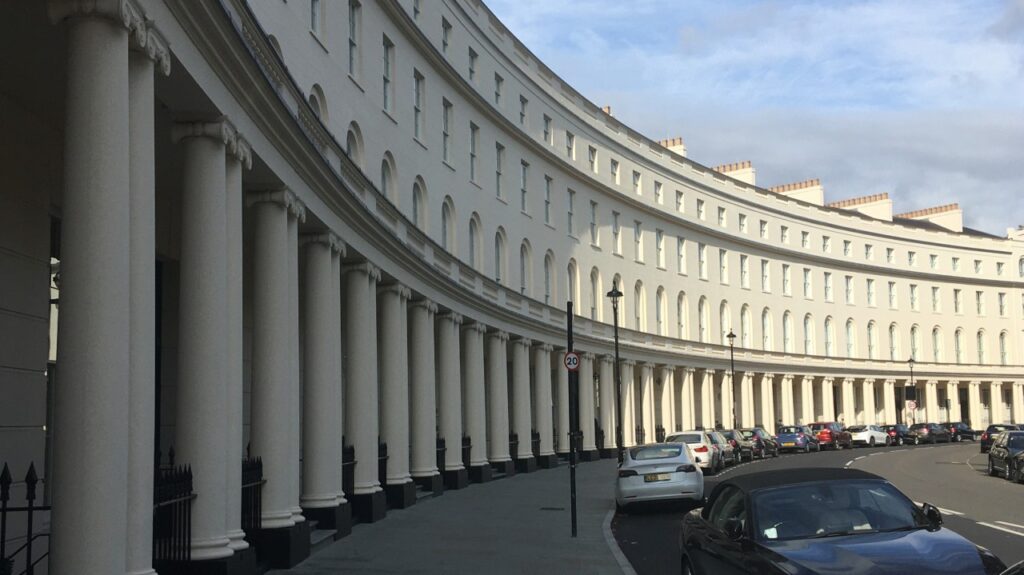
Central London has long stood as a symbol of elegance, power, and permanence. Even in an ever-shifting global landscape—marked by economic fluctuations, political change, and evolving investment priorities—the area remains one of the most desirable property markets in the world. But what is it about Central London that continues to captivate ultra-high-net-worth individuals, global investors, and cultural elites alike? The answer lies not only in location and architecture but also in the psychology of prime property ownership.
The allure of Central London transcends bricks and mortar. It’s about heritage, prestige, and emotional value—a kind of status and certainty that resonates deeply with affluent buyers from across the globe. Local professionals such as Estate Agents in St Johns Wood often observe this intangible pull firsthand. While clients certainly seek quality, security, and financial return, many are equally motivated by the symbolism attached to owning a prestigious address in the heart of London.
The Status Symbol Effect
Owning property in Central London is often viewed as a global status symbol. Names like Mayfair, Knightsbridge, Belgravia, and St John’s Wood instantly evoke images of grandeur and exclusivity. These addresses are synonymous with success and wealth, acting as a badge of honour among peers, especially within international social and business circles.
This psychological aspect of property investment is particularly strong among international buyers. A townhouse in Chelsea or a penthouse overlooking Hyde Park isn’t just a home—it’s a statement. It’s proof of global mobility, financial independence, and social standing. In this context, the property’s aesthetic and functional qualities are almost secondary to its symbolic power.
Emotional Security and Legacy
Prime Central London also holds a deep emotional appeal for many investors, particularly those from countries experiencing political or economic uncertainty. In these cases, property acquisition is more than a financial decision—it’s an emotional investment in stability. London, with its strong legal framework, transparent property laws, and enduring political infrastructure, offers reassurance that transcends financial markets.
This drive for emotional security is often coupled with the desire to create a legacy. Buyers aren’t just purchasing a home—they’re acquiring something they can pass down to future generations. Prime properties in Central London often have a timeless quality, with architecture and locations that are unlikely to lose their prestige. In this way, they serve as both emotional anchors and generational assets.
The Power of Narrative and History
Central London’s appeal is further heightened by its rich historical and cultural narrative. Buyers are often drawn to properties with stories—Georgian townhouses, Victorian conversions, or apartments in buildings that have stood for centuries. The idea of owning a piece of history is powerful, satisfying both a romantic and intellectual desire.
For instance, a home on Abbey Road near the iconic studios, or in a period building once frequented by British aristocracy, carries a cachet that newer global cities simply cannot replicate. This narrative, carefully maintained and marketed by Estate Agents in St Johns Wood and other property professionals, plays a crucial role in how buyers emotionally connect with a home.
Investment Rationality Meets Personal Passion
Despite its emotional pull, Central London also delivers on the rational aspects of property investment. Prime properties in the area have demonstrated remarkable long-term capital appreciation. Even during economic downturns, prices in core neighbourhoods tend to recover quickly due to limited supply and constant demand.
This makes Central London a rare market where emotional drivers align with sound investment logic. Buyers not only acquire an asset that satisfies personal and psychological desires but also one that performs strongly on paper. This dual benefit is particularly attractive to sophisticated investors seeking both passion and prudence in their portfolios.
The Role of Lifestyle
Lifestyle is another key component of prime property psychology. Living in Central London offers access to world-class amenities—Michelin-starred restaurants, luxury boutiques, private schools, cultural institutions, and royal parks. For many global buyers, proximity to this lifestyle ecosystem is just as important as the property itself.
Moreover, the cosmopolitan nature of the city makes it easy for international residents to integrate. Whether from the Middle East, Asia, North America, or Europe, buyers feel at home in London’s global community. This emotional ease—knowing they are part of a culturally rich and diverse environment—adds further weight to the city’s enduring appeal.
Conclusion
The psychology of prime property ownership in Central London goes beyond the physical features of a home. It taps into deeper human desires: for status, security, legacy, and connection to history. These motivations help explain why Central London continues to hold its place as one of the most iconic and desirable property markets in the world.
As trends evolve and markets shift, the emotional and symbolic power of a Central London address remains constant. For those navigating this elite segment of the market, working with experienced Estate Agents and other prime districts is essential to understanding both the tangible and intangible elements that influence buyer decisions. After all, in the world of prime real estate, psychology and property are inextricably linked.