


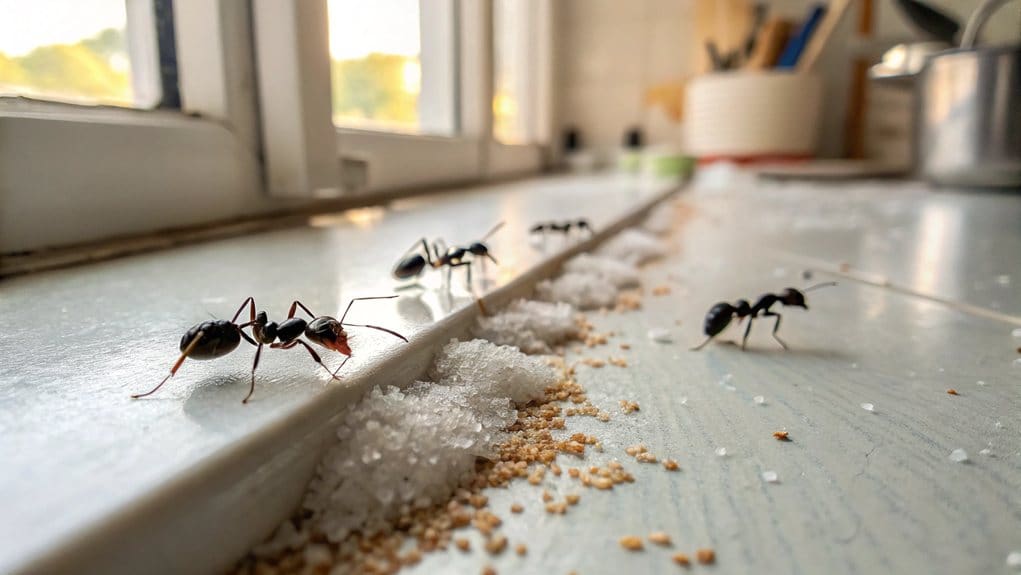
Your kitchen is the room that is meant to be the cleanest and safest in your home, the room where you cook, organise, and keep the daily necessities. But suppose you open the pantry or pass by the cabinets of your kitchen and find a little heap of fine wood dust lying sort of on the floor or at the edges of the shelves. You clean it down, and you assume it is ordinary domestic dust.
This isn’t normal. It is among the first and the largest indicators that something in your cabinet is quietly being destroyed. Most house owners neglect it until the issue becomes much more perilous, just because the kitchen seems firm on the surface.
Internal activity can be concealed in modern cabinetry, particularly when installed with stone or porcelain benchtops. The timber framing inside may be quite run-down, although the outside appearances are clean and firm. This dust is not a cleaning problem; it is a structural message.
What Does This Wood Dust Really Mean?
The dust that builds up in your kitchen cabinets is not just any debris. It is frass, a powdery waste product that is formed when insects bore through timber. It may be of varied texture and colour, but when found in the same location over and over again, then it is clear of active internal damage.
The smaller the dust, the more hostile the infestation, usually by termites or wood borers that bore holes through the timber. In case the dust reoccurs after cleaning, the source is directly in or behind the affected wood.
Examples of common sources of hotspots are pantry walls, corners of shelves, kickboards, and hinges. When frass is ignored, the damage caused by timber may develop very quickly, and it is important to detect it early.
The Most Common Cause: Hidden Termite Activity
Wood dust in the kitchen is not always good in the air; in many cases, it is a sign of termites. Such pests are masters of disguise that feed silently in timber and leave the outside unbroken. Homeowners often ignore the issue until structural damage is apparent.
Where Termites Hide
Pantry framing, cupboard bases, shelves, door frames, and skirting boards are common targets of termites. Cabinets leave undisturbed dark areas that are ideal environments in which the colonies can grow.
Why They’re Dangerous
Termites excavate timber internally, leaving only a thin outer layer that makes cupboards look normal. This internal damage can be hidden behind the heavy stone or porcelain benchtops of a modern kitchen for many months.
Early Action is Key
To avoid expensive structural damage, infestations must be detected early in order to prevent expensive remedies.
Other pests that may produce Fine Wood Dust
Although the most common cause is termites, they are not the sole cause of wood dust in cabinets. Other pests that damage timber should also be known to the homeowners:
Wood Borers
The frass left by the borers is very fine, and there are small holes of exit in the wood. Their existence has been confused with that of the termites, yet the borers do not excavate the wood in the same way.
Carpenter Ants
Carpenter ants do not consume wood; they dig it to make tunnels. This generates coarse wood shavings as opposed to ultra-fine dust. Nevertheless, their activity undermines the power of the cabinet.
Timber Beetle
Some breeds of beetles can infest rotting or damp wood. The frass of each pest is a little different; however, to the layman, it is the same. This is the reason why professional assessment is essential. Colour, texture, and even size cannot help you to find out who the pest is. An authorised specialist will identify precisely what is damaging and prescribe the treatment.
How a Building and Pest Inspection Identifies the True Cause
Because timber damage inside kitchen cabinets is often hidden, a professional building inspection is the only reliable way to determine the full extent of the issue. Where signs of pest activity are identified, inspectors may also recommend immediate Termite Treatment to stop further damage and protect surrounding timber structures.
- internal moisture levels behind cabinets
- hollow-sounding timber when tapped
- early termite gallery markings
- cracks or weakness in pantry baseboards
- structural strain around benchtops
- signs of pest entry points
- frass patterns indicating active infestations
These inspectors use tools like moisture metres, thermal imaging, and specialised probes to detect damage even when it’s not visible. Many homeowners are shocked by what inspections reveal, often discovering hidden galleries, rotting timber, or early structural weakening long before visible collapse occurs.
Why Are Kitchens a Hotspot of Hidden Timber Damage?
Kitchens provide the ideal habitat where pests are able to multiply in the absence of detection. They are one of the most vulnerable rooms in the house because of the moisture, warmth, food, and enclosed spaces. The following are the main reasons why the kitchen is the favourite target of pests:
Moisture Sources
Hiding dampness within cabinets can be through sinks, dishwashers, fridges, and internal plumbing lines. Termites and carpenter ants find ideal habitats in even the smallest leaks, condensation, or humidity to start ruining the timber.
Warm, Dark Cavities
The area behind the cupboard units in the kitchen is hot, dark, and not used very often. Such circumstances render it an ideal shelter for termites whose galleries and feeding on timber cannot be detected in the long term.
Food Access
Crumbs, spilt grains, sugar, and pantry residue tend to get stuck in the cabinets or along the edges. Beetles, ants, and other pests have all the reasons to stay, nest, and even damage the timbers with these traces of food.
Heavy Benchtops Mask Damage
Stone or porcelain benchtops impose a lot of weight on the cabinets under them. When the internal timber is weakened by pests, this pressure exacerbates the damage and holds it in place until the cabinet base starts to sag or the benchtop moves.
The Right Professional Response
When you notice fines in your kitchen cabinets, and you see them recurring, this is the right path you should take:
Connect with a termite control expert.
An authorised expert might determine the presence of the termites and initiate emergency treatment. Early action prevents the spread of the infestation.
Book Building and Pest Inspection
A complete check shows precisely what caused the issue and how much it was damaged – both of which are necessary to fix properly.
Fix Moisture Problems
Wipe out leakages, dampness, or dripping pipes that could have been a source of attraction to the pests.
Replace or Repair Broken Timber
After treatment of the infestation, remove damaged cupboard bases, framing, or skirting boards to reinstate structural security, particularly when a massive benchtop is on the cabinets.
Invest in Long-term Protection
The inspection of the timber annually, the treatment of its protection, and its appropriate sealing will assist in avoiding issues in the future.
What Happens If You Ignore the Dust?
Choosing to overlook wood dust can lead to serious and expensive problems. The impact of timber pests is always progressive. It never improves on its own.
Here’s what can occur:
- Timber frames weaken, causing cabinets to warp or collapse.
- Pantry shelves and bases may crack, become unstable, or fail under weight.
- Stone or porcelain benchtops can shift, creating safety hazards and expensive repair needs.
- Termites can spread into adjacent walls, flooring, or ceiling beams, causing major structural damage.
- Repair costs multiply, especially if hidden termite galleries spread through the home.
Final Thoughts
In your kitchen, fine wood dust is not a mere annoyance but a symptom of the fact that your house might be in danger of destruction on the inside. It can be termites, carpenter ants, or borers, but the damage is always silent and gradual.
In modern kitchens in which the porcelain benchtops are commonly constructed beneath, the possibility of unseen damage is even greater.
Immediate action is the safest way to go. Termite treatment, regular building and pest inspection, and timely timber repairs will help save your kitchen, your cabinets, and the long-term stability of your home. When wood dust continues to appear, do not brush it off; investigations are needed. It relies on the safety of your kitchen.