


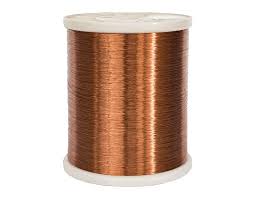
The electrical industry is rapidly evolving, and at the heart of many of the most advanced technologies is magnet wire. From small consumer electronics to massive power grids, magnet wire is integral to modern society. However, the landscape of magnet wire is changing, driven by exciting innovations in materials and technology. These developments are pushing the boundaries of what magnet wire can do, leading to more efficient, durable, and safer applications.
In this article, we will explore how magnet wire is evolving. We’ll delve into innovations in materials such as nanotechnology and superconductivity, as well as advancements in technology that are transforming its capabilities. As we examine these breakthroughs, we’ll also discuss how these innovations can impact industries and why now is the time to consider upgrading to the latest magnet wire technologies for your applications.
Advancements in Magnet Wire Materials
1. Nanomaterials: Revolutionizing Conductivity
The foundation of magnet wire lies in its ability to conduct electricity. Traditional magnet wire is made of copper or aluminum, but now, we are seeing the rise of nanomaterials that offer superior conductivity. Graphene, a single layer of carbon atoms arranged in a hexagonal lattice, is leading the charge in next-gen magnet wire development.
Graphene’s high conductivity and strength make it an ideal material for magnet wire. It can carry electricity much more efficiently than copper, while also being lighter and thinner. Imagine smaller, more powerful electrical systems—such as motors or energy storage devices—that operate with higher efficiency. This means less energy waste and reduced heat generation, leading to longer device lifespans and greater environmental sustainability.
Researchers are also exploring carbon nanotubes for magnet wire applications. These tiny cylinders of carbon can be woven into magnet wire to enhance both the conductivity and mechanical properties of the wire. The potential applications for carbon nanotube-coated magnet wire range from electronics to renewable energy systems. As nanomaterials continue to improve, they will likely become a standard in magnet wire for high-performance applications.
2. High-Temperature Insulation: Expanding Application Scope
As magnet wire is widely used in power generation and electric motors, the demand for high-temperature insulation has skyrocketed. In high-power environments, heat is generated, and maintaining performance without risking failure due to heat build-up is crucial. Traditional magnet wire insulation materials, like polyester and polyurethane, are being pushed to their limits.
To address this, scientists are turning to polyimide and ceramic-based insulation materials. These advanced materials offer high heat resistance, maintaining their integrity at temperatures exceeding 200°C. This makes them ideal for use in high-performance motors, transformers, and even aerospace applications, where heat tolerance is essential for operational efficiency and safety.
As industries evolve toward more powerful systems, magnet wire with high-temperature insulation will be crucial. By using wires that can withstand higher temperatures without degrading, companies can ensure longer product life and more stable electrical systems. If you’re seeking to future-proof your designs, magnet wire with high-temperature insulation is an essential upgrade.
3. Superconducting Magnet Wire: The Next Frontier
Perhaps the most exciting innovation in the field of magnet wire is the development of superconducting magnet wire. Superconductors are materials that, when cooled to extremely low temperatures, allow electricity to flow without resistance. While this sounds like something straight out of a sci-fi movie, the reality is that scientists are already working on making superconducting magnet wire a practical solution for modern electrical systems.
The potential for superconducting magnet wire is immense. It could significantly reduce energy loss, as traditional wires suffer from resistance, which generates heat and wastes energy. In applications like power grids, transportation, and medical equipment (such as MRI machines), superconducting magnet wire would reduce operating costs, enhance system efficiency, and enable much higher power densities. As superconducting technologies improve and become more cost-effective, we can expect to see superconducting magnet wire increasingly deployed in critical applications across the globe.
Technological Innovations in Magnet Wire: Smart Features
Beyond materials, technology is playing a vital role in shaping the future of magnet wire. The integration of smart technologies is making magnet wire more intelligent and responsive, adding a layer of functionality that was previously unimaginable.
1. Sensors for Real-Time Monitoring
What if magnet wire could monitor itself? Imagine wires embedded with sensors that can detect temperature changes, wear and tear, or electrical faults. This is no longer science fiction. Smart magnet wire is already being developed with built-in sensors that can track critical conditions in real-time.
These sensors can alert operators to potential issues such as overheating, wire fatigue, or insulation failure, allowing for early intervention before problems arise. This innovation is especially important in mission-critical industries like aerospace, automotive, and energy, where system failures can have catastrophic consequences.
With smart magnet wire, maintenance becomes predictive rather than reactive, reducing downtime, improving safety, and cutting long-term operational costs.
2. Flexible and Thin-Film Magnet Wire for Miniaturized Devices
As the demand for miniaturization grows in consumer electronics and robotics, the need for flexible magnet wire has never been higher. Thin-film magnet wire allows for the construction of compact and flexible electrical systems without sacrificing performance.
For instance, wearable devices, medical implants, and robotics require magnet wire that can fit into small, dynamic spaces. By using thin-film technologies, manufacturers can create highly efficient, lightweight devices that still pack the electrical punch needed for performance. The flexibility of thin-film magnet wire enables greater design freedom, making it possible to innovate in areas where traditional wire would have been too bulky or rigid.
Why Upgrading to Advanced Magnet Wire Matters
The future of magnet wire is all about pushing the limits of performance. With innovations in materials and technology, magnet wire is poised to revolutionize industries, enabling smaller, more efficient devices that are more durable and safer. Whether you’re working in renewable energy, aerospace, or electronics, adopting advanced magnet wire technology will ensure that your systems stay ahead of the curve.
At Jingda Wire, we offer the latest in magnet wire innovations, from high-temperature insulation to superconducting wire options. Our cutting-edge products are designed to meet the needs of modern industries and keep your systems running efficiently and safely. Don’t wait for the future—embrace the next generation of magnet wire today. Visit Jingda Wire for more information and to place your order.
Final Thoughts
The future of magnet wire is exciting, with advancements in materials like graphene and carbon nanotubes, as well as the rise of smart technologies and superconducting wire. These innovations promise to make electrical systems more efficient, durable, and intelligent. As industries evolve, now is the time to upgrade your systems with cutting-edge magnet wire. Ensure the longevity and performance of your devices by investing in the latest magnet wire technologies—visit Jingda Wire for all your wire solutions.