Eye-Friendly Lighting Solutions Every Home Needs to Adopt for Healthier Vision

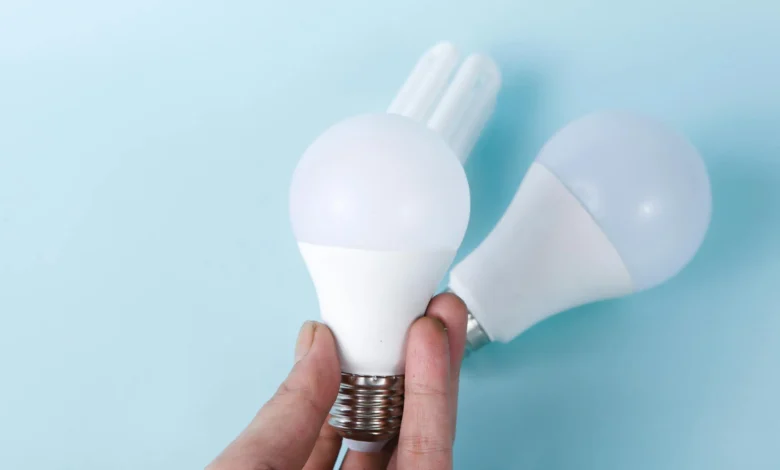
Your home is your sanctuary, but have you ever thought about how your lighting could be affecting your vision? While bright lights can illuminate your space, poorly designed lighting may contribute to eye strain, headaches, and even long-term vision issues.
By making smarter lighting choices, you can create an environment that promotes healthier vision for you and your family. Let’s explore practical, eye-friendly lighting solutions and why adopting them is essential.
Understanding the Role of Lighting in Eye Health
Good lighting does more than brighten a room—it ensures that your eyes are comfortable and supported. Harsh or dim lighting forces your eyes to work harder, potentially leading to fatigue. The right balance of light minimises strain and creates a welcoming, functional atmosphere.
Lighting materials, especially plastics, play a significant role in shaping the quality of light in your home. Many modern lighting solutions use plastic materials for their diffusion properties, offering soft, evenly distributed light. Companies like Simply Plastics specialise in high-quality plastic products, making them a key resource for lighting innovations that protect your vision.
Top Lighting Tips for Healthier Vision
1. Choose Adjustable Lighting Options
Flexibility is vital when it comes to creating eye-friendly spaces. Adjustable lamps or dimmer switches allow you to control the intensity of your lighting. This ensures the perfect brightness for every activity, from reading to relaxing.
Plastic lighting diffusers are particularly useful in these setups. They reduce harsh glare and create softer illumination, which is less taxing on your eyes. Incorporating plastic-based diffusers into your fixtures can transform overly bright light into a gentle glow.
2. Embrace Natural Light
Maximising natural light is one of the simplest ways to maintain healthy vision. Large windows, strategically placed mirrors, and light-coloured walls help to reflect sunlight, reducing your dependency on artificial lighting during the day.
Innovative Materials and Their Role
3. Explore Plastic in Modern Lighting Designs
Plastic materials are widely used in modern lighting because of their durability and versatility. They are lightweight, affordable, and capable of diffusing light evenly across a space. For example, many contemporary LED fixtures feature plastic diffusers to provide consistent lighting that minimises eye strain.
4. Use Colour-Adjusted Lighting
Warm lighting mimics the natural tones of sunlight, while cooler tones are better suited for task-oriented spaces, such as kitchens or home offices. Using plastic filters in your fixtures allows for smooth colour adjustments, creating lighting conditions that are both comfortable and functional.
Preventing Common Lighting Mistakes
5. Avoid Overhead Lights as Your Sole Source
Relying solely on overhead lighting creates uneven illumination, leading to shadows and excessive brightness in certain areas. Instead, use a combination of floor lamps, table lamps, and under-cabinet lights. This layered approach ensures balanced light distribution throughout your space.
6. Keep Your Fixtures Clean
Dusty or dirty light fixtures can obstruct light, leading to dim or uneven illumination. Regularly clean both the bulbs and any plastic diffusers to maintain optimal brightness. This small habit can make a significant difference in keeping your lighting eye-friendly.
Parting Words
Adopting eye-friendly lighting solutions isn’t just about aesthetics—it’s about safeguarding your vision. By choosing high-quality materials like plastics, exploring adjustable options, and focusing on natural light, you can create a home that prioritises comfort and health.
Whether you’re redesigning your living room or upgrading your study, these solutions ensure that your lighting works with your eyes, not against them.


