


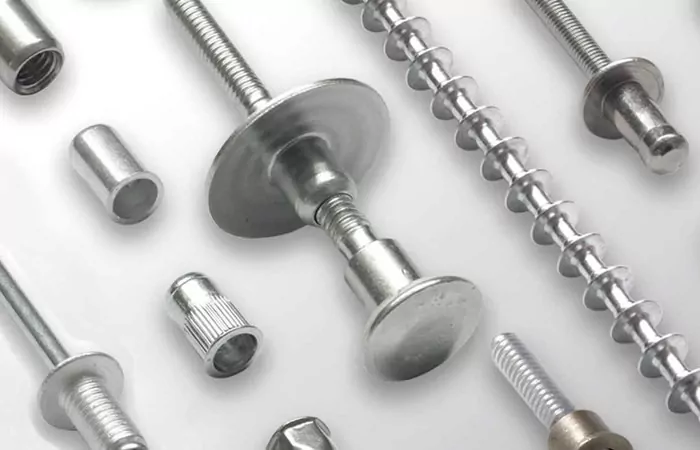
When it comes to the robust construction of buildings and infrastructure, the minutiae matter as much as the grand designs. It’s the nuts and bolts, quite literally, that keep our world safely anchored. From towering skyscrapers to humble homes, the strength of a structure is often determined by the staying power of its components. Understanding the essentials of industrial fastening is critical, especially when selecting adhesive, nutserts, and structural rivets—each playing a pivotal role in construction.
Adhering to Excellence with the Right Adhesive
As any seasoned builder knows, not all adhesives are created equal. Choosing the right adhesive is crucial for ensuring that materials stick together over the long haul, resisting weather, pressure, and time. Construction adhesives are designed to bond materials like wood, metal, glass, and plastic, becoming the unseen force that provides stability and durability.
When surveying adhesives for your project, consider factors such as tensile strength, elasticity, and curing time. In outdoor applications, the UV resistance and temperature tolerance of an adhesive are also vital criteria. For industrial-level construction, one must demand adhesives that can withstand significant loads and provide a lasting bond even in demanding environmental conditions.
Nutserts: The Unsung Heroes of Fastening
Intricately linked to the efficacy of adhesives are the mechanical fasteners that bolster a structure’s integrity. Nutserts are a prime example — these industrious little fasteners provide reliability and flexibility. Nutserts create a firm, threaded anchor point in materials that are too thin to support a standard thread, making them perfect for applications where standard nuts and bolts would fail.
Choosing high-quality nutserts means selecting a fastener that can endure the stress without the risk of corrosion or loosening over time. They’re excellent for use in hard-to-reach places or where surface finishing is a priority. Given their versatility, nutserts have become indispensable in modern construction, automotive assembly, and even in aerospace applications.
Joining Forces with Structural Rivets
The right rivet can mean the difference between a structure that stands the test of time and one that succumbs to the elements. Structural rivets, designed to carry loads and provide support, are vital in many construction applications. They are renowned for their shear and tensile strength, which ensures they maintain force and do not break under pressure.
Investing in heavy-duty structural rivets is particularly wise for projects that need to weather high-stress environments. They can be found in everything from bridges and cranes to commercial aircraft and vehicles, thanks to their unparalleled ability to fasten materials securely without the need for secondary operations like welding.
Fusing It All Together: A Holistic Approach to Fastening
An informed selection of adhesives, nutserts, and rivets can make or break a project’s longevity. It is not enough to use adhesive alone; strategic reinforcement with mechanical fasteners like nutserts and rivets completes the fastening system. Hence, one must consider a holistic approach, combining these elements for an optimal build.
This integrative method ensures that the bond will hold under a variety of stresses. Essentially, each component complements the other, providing multiple points of failure resistance. Such synergy in fastening techniques is what elevates good construction work to greatness.
Understanding the Material Matters
One must not overlook the significance of substrate materials when selecting fastening solutions. Adhesives, for instance, react differently with varying materials, and the same holds for the compatibility of nutserts and rivets with the substances they are meant to fuse.
In dealing with surfaces that expand or contract with temperature changes, an adhesive’s flexibility becomes a deciding factor. For heavy-duty construction materials that will bear heavy loads, the pulling strength of nutserts and the sheer resistance of rivets are non-negotiable characteristics.
Complying with Codes and Standards
It’s imperative that builders and engineers not only consider functional requirements but also adhere strictly to building codes and industry standards when selecting fastening systems. This compliance ensures safety and durability and protects the integrity of the construction industry at large.
Making the Right Choice for Your Construction Project
The maze of product specifications and standards can be daunting, but understanding the roles and strengths of various fasteners is crucial for making an informed decision. Whether adhering facade panels with construction adhesive, securing a metal frame with nutserts, or fastening heavy beams with structural rivets, the success of the application lies in knowing which fastener is right for the job.
The expertise of suppliers who specialise in high-quality construction fasteners is invaluable. They can provide guidance on the most suitable products and insightful advice on their proper use. Reputable suppliers underscore the importance of quality, performance and safety — and that’s precisely what your project needs.
Robust construction is a complex symphony of parts and practices working in unison. With a solid knowledge of the essentials of fastening, you can orchestrate a project not only to meet the aspirations of aesthetic design but also to surpass the standards of strength and safety. Remember, it’s in the smallest details that the greatest constructions find their anchorage.
So as you contemplate the nuts and bolts of your next grand design, remember the importance of choosing the right bonding solutions. Use this guide as a starting point, and always delve deeper into the performance specifics of adhesive, the resilience of nutserts, and the reliability of structural rivets. Your projects deserve the best connection solutions — after all, in construction, it’s all about sticking together.